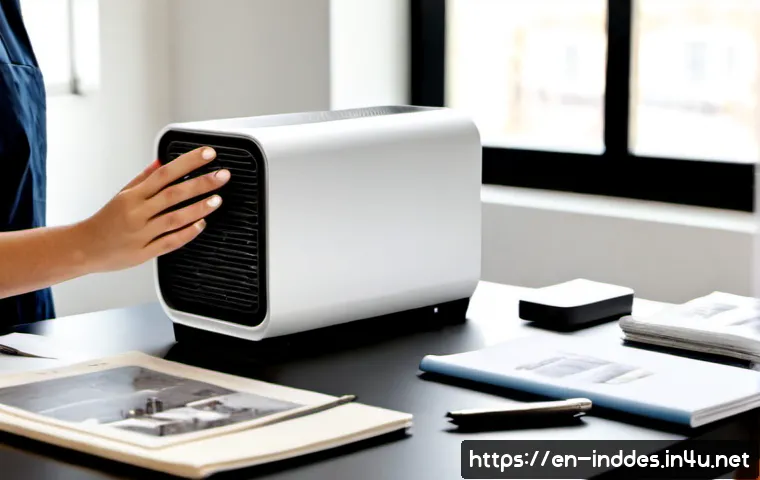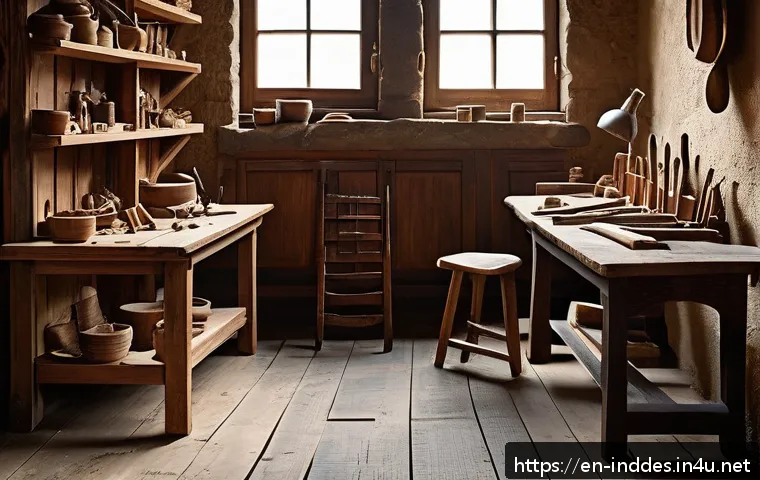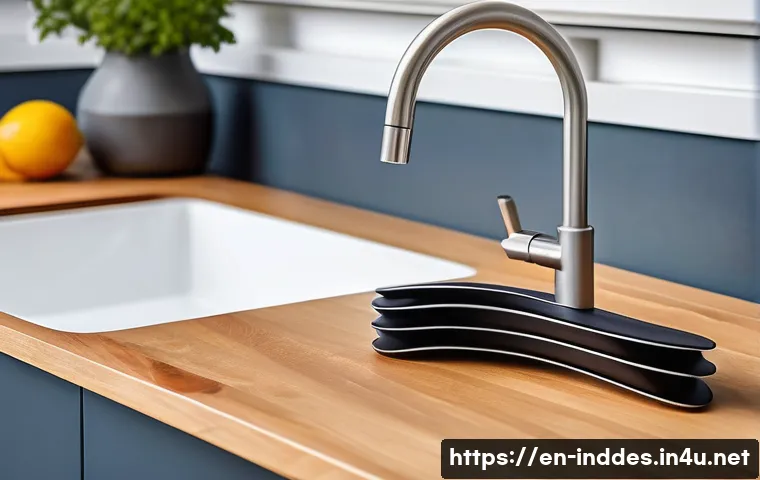
Industrial design and home interior design are two creative fields that shape how we interact with everyday objects and living spaces. Industrial design focuses on the functionality and aesthetics of products, blending innovation with user needs.
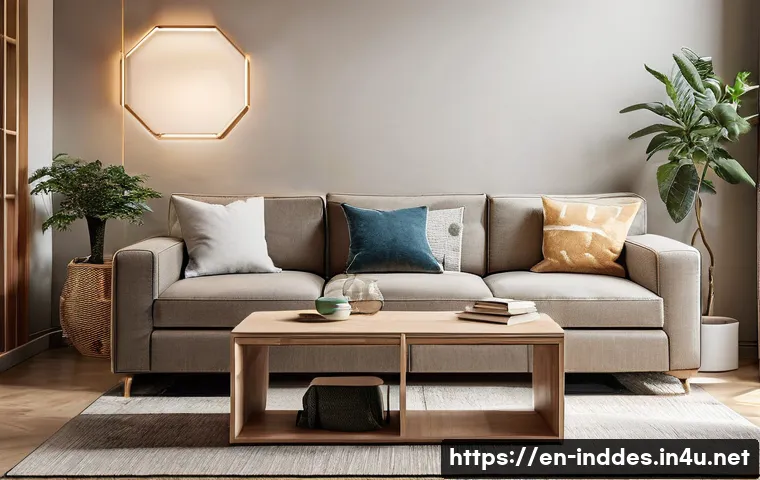
Meanwhile, home interior design transforms interiors into personalized, comfortable environments that reflect individual style. Both disciplines rely heavily on creativity, practicality, and a deep understanding of human behavior.
Whether you’re curious about the latest design trends or want to enhance your living space, exploring these areas offers endless inspiration. Let’s dive deeper and uncover the fascinating details behind these design worlds!
Innovative Approaches to Product Usability
Ergonomics: Designing for Human Comfort
When I first started paying attention to industrial design, what really caught my eye was how ergonomics plays a crucial role in making products feel natural and effortless to use.
It’s not just about making something look sleek; it’s about shaping every curve and button placement to fit the way our hands move or how we interact with objects daily.
For example, a well-designed kitchen tool isn’t just pretty—it reduces strain, improves grip, and ultimately makes cooking less of a hassle. Personally, I’ve noticed how a simple change in handle shape can turn a frustrating experience into a smooth one, showing how deep the thought process goes behind ergonomic design.
Material Innovation and Sustainability
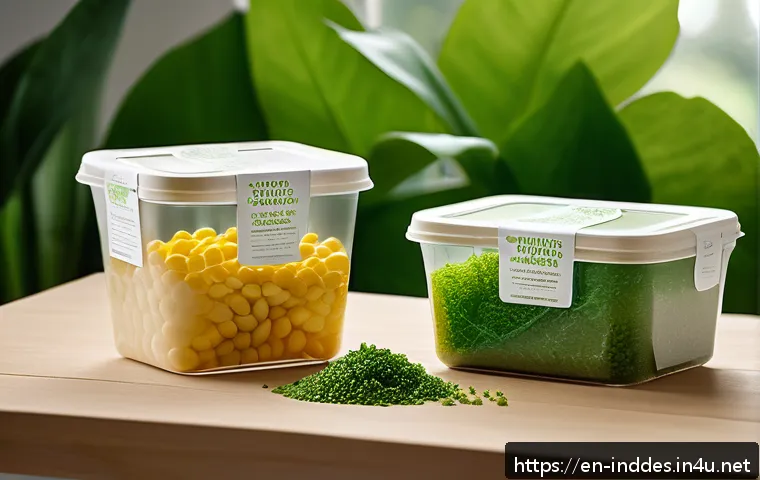
One of the most exciting trends I’ve observed is the shift toward sustainable materials in product design. Designers aren’t just chasing aesthetics anymore; they’re hunting for eco-friendly alternatives that don’t compromise durability or style.
From biodegradable plastics to recycled metals, these innovations not only reduce environmental impact but also push creative boundaries. I remember handling a prototype chair made from reclaimed wood mixed with a new resin—it had this raw yet polished feel that spoke volumes about responsible craftsmanship.
This balance between sustainability and innovation is becoming a key marker for modern industrial designers.
Technology Integration for Enhanced Functionality
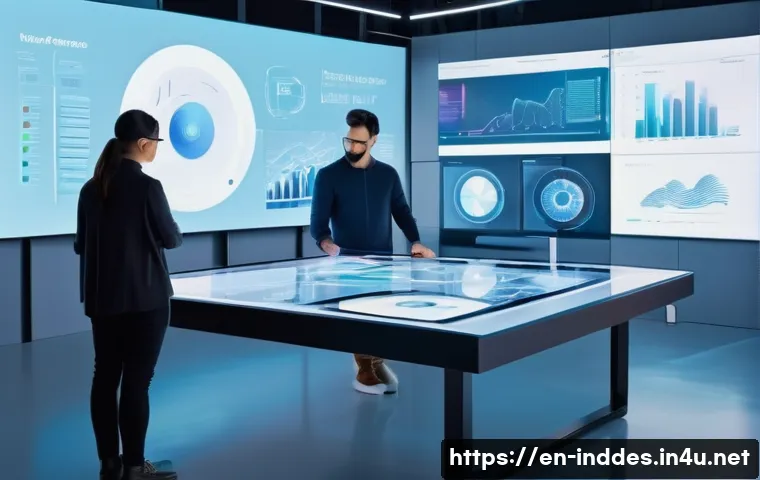
Technology has revolutionized how products are designed and used. Smart features like touch controls, wireless connectivity, or adaptive lighting are no longer just fancy add-ons; they’re becoming standard expectations.
Having used a smart thermostat myself, I can attest to how seamlessly technology can improve daily life by learning habits and adjusting settings automatically.
Designers now have to think beyond aesthetics and ergonomics—they must anticipate how users will interact with digital elements, ensuring intuitive and accessible experiences.
This merging of hardware and software is reshaping the landscape of product design in fascinating ways.
Crafting Personalized Living Spaces
Balancing Function and Style
What really draws me to home interior design is the challenge of creating spaces that are both beautiful and livable. It’s a delicate dance between choosing elements that reflect personality and ensuring the room functions well for everyday life.
For instance, selecting a bold wallpaper might bring excitement to a space, but it needs to harmonize with furniture placement and lighting so the room doesn’t feel chaotic.
From my experience helping friends redecorate, striking that balance often requires trial and error but ultimately leads to a home that feels uniquely theirs without sacrificing comfort or practicality.
Using Color Psychology to Influence Mood
Colors have this incredible power to affect our emotions and energy levels, which is why understanding color psychology is essential in interior design.
I’ve noticed that when I switched my living room walls from a cool gray to a warm beige, the whole atmosphere changed—suddenly, the space felt more inviting and cozy.
Designers often use this knowledge to tailor environments for specific purposes, like calming blues for bedrooms or energizing yellows in kitchens. It’s a subtle but impactful tool that can transform how a space feels without a complete overhaul.
Maximizing Small Spaces with Clever Solutions
Living in a city where space is at a premium, I’ve become fascinated by how interior designers manage to create roomy, functional homes out of tiny footprints.
Multifunctional furniture, clever storage hacks, and light-reflecting surfaces all come together to make small spaces feel open and organized. For example, I once saw a coffee table that doubled as a storage chest and a desk—perfect for someone juggling work and leisure in a compact apartment.
These smart solutions prove that size doesn’t have to limit style or comfort.
Designing for Emotional Connection
Storytelling Through Design Elements
One thing that always stands out to me is how design can tell a story, making products or rooms resonate on a deeper emotional level. Whether it’s a handcrafted lamp inspired by nature or a living room curated with souvenirs from travels, these elements create connections beyond mere appearance.
I’ve experienced this firsthand when walking into a friend’s home filled with pieces that each held a memory or meaning—it instantly felt warm and welcoming.
This narrative approach adds richness and personality that mass-produced items often lack.
Creating Spaces that Promote Well-being
More than just looking good, design now emphasizes wellness, aiming to craft environments that support mental and physical health. Natural light, air quality, and biophilic design—incorporating nature indoors—are becoming priorities.
From my own habit of placing plants around my workspace to boost mood, I see how these touches make a tangible difference. Designers who understand the psychology behind spatial experience can create homes and products that nurture rather than drain us, making design a powerful tool for everyday well-being.
Embracing Minimalism Without Sacrificing Warmth
Minimalism is often misunderstood as cold or impersonal, but the best designers know how to keep it inviting. I’ve tried this approach myself—paring down clutter while adding textured fabrics and warm lighting—to create spaces that feel calm yet cozy.
It’s about stripping away excess while focusing on quality and comfort, which requires a thoughtful eye and restraint. This style appeals to many because it simplifies life visually and mentally, yet with the right touches, it never feels barren or sterile.
Exploring Trends in Functional Aesthetics
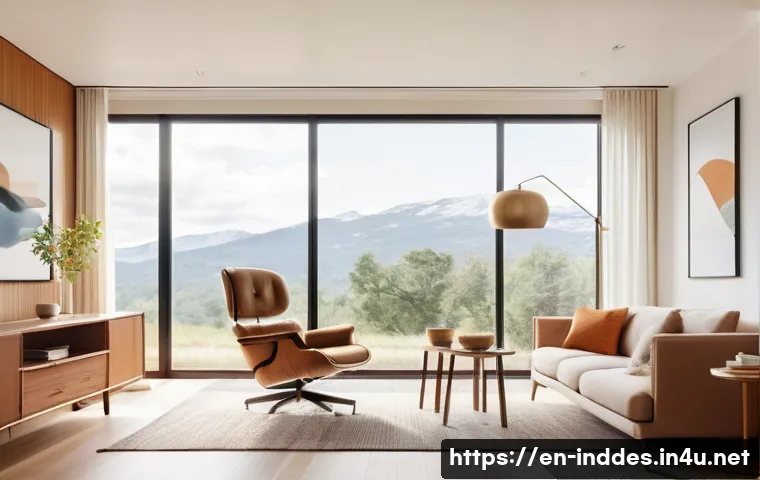
The Rise of Modular and Flexible Designs
Flexibility is king in today’s design world. Modular furniture and adaptable product components are gaining traction because they offer customization and ease of use.
I recall assembling a modular sofa that allowed me to rearrange seating depending on the occasion—perfect for hosting friends or relaxing solo. This trend reflects how our lifestyles are fluid, demanding solutions that can evolve with us.
It’s refreshing to see design moving beyond static forms toward dynamic, user-driven experiences.
Mixing Vintage with Modern Elements
Combining vintage charm with contemporary flair is a trend I personally adore. It’s like blending the best of both worlds—nostalgia and innovation. I once helped decorate a room that paired a mid-century modern chair with sleek, minimalist lighting, creating an eclectic yet harmonious vibe.
This approach gives spaces character and depth, making them feel curated rather than cookie-cutter. It also allows designers and homeowners to honor the past while embracing the present.
Smart Storage Solutions as Design Statements
Storage doesn’t have to be boring or hidden away. Innovative designers are turning storage into bold features that enhance aesthetics. Think floating shelves that double as art displays or built-in units with geometric patterns.
I’ve found that such solutions not only declutter but also add personality and style. It’s a clever way to marry function and form, proving that even practical needs can inspire creativity.
Comparing Core Elements of Product and Space Design
| Aspect | Product Design | Interior Design |
|---|---|---|
| User Interaction | Focuses on ease of use, ergonomics, and functionality of tangible items | Emphasizes comfort, flow, and how inhabitants engage with their environment |
| Material Use | Innovative, sustainable, and durable materials tailored for product lifespan | Varied textures and finishes to create ambiance and tactile experience |
| Aesthetic Goals | Balances form and function with brand identity and market trends | Creates atmosphere reflecting personal style and mood preferences |
| Technology Integration | Smart features embedded within products for enhanced usability | Smart home systems for lighting, climate, and security control |
| Scale and Scope | Focused on individual items or small groups of objects | Designs entire rooms or homes, considering spatial relationships |
Challenges and Rewards in Design Practice
Navigating Client Expectations and Budgets
One of the trickiest parts of design I’ve encountered—whether working on a product or a room—is balancing what the client wants with what’s feasible. Budgets can be tight, and sometimes visions clash with practical constraints.
I’ve learned that clear communication and creative problem-solving are essential. For example, when a client wants a high-end finish but can’t stretch the budget, suggesting alternative materials or phased upgrades can keep the project on track without compromising style.
Staying Ahead with Continuous Learning
Design is a fast-evolving field. From new materials to emerging technologies and shifting cultural trends, staying relevant requires constant learning.
Personally, I make it a point to attend design expos, follow industry blogs, and experiment with new tools. This keeps my ideas fresh and allows me to offer clients cutting-edge solutions.
The thrill of discovering a novel technique or trend that can be adapted to real projects is one of the biggest motivators in my design journey.
Finding Satisfaction in Impactful Creations
Despite the hurdles, the joy of seeing a design come to life and improve someone’s daily routine or living experience is unmatched. I recall the pride I felt when a friend messaged me after revamping their apartment, saying it finally felt like home.
That emotional payoff, knowing your work enhances comfort or sparks happiness, is what keeps me passionate. Whether it’s a sleek gadget or a cozy nook, design has the power to shape lives, and that’s incredibly rewarding.
글을 마치며
Design, whether for products or living spaces, is a powerful blend of creativity and functionality that deeply impacts our daily lives. By focusing on comfort, sustainability, and emotional connection, designers craft experiences that go beyond aesthetics. Embracing innovation and user-centered approaches ensures that every creation feels meaningful and practical. Ultimately, thoughtful design enriches how we live, work, and feel in the environments we inhabit.
알아두면 쓸모 있는 정보
1. Ergonomics isn’t just about comfort—it directly influences user satisfaction and can reduce long-term strain or injury, making it a vital design consideration.
2. Sustainable materials are becoming more accessible and affordable, offering designers eco-friendly options without sacrificing quality or style.
3. Integrating smart technology enhances usability but requires careful attention to intuitive interfaces to avoid overwhelming users.
4. Color choices significantly affect mood and behavior, so understanding color psychology can help create spaces tailored to their intended purpose.
5. Modular and multifunctional designs maximize space efficiency, especially in urban living environments where every square foot counts.
중요 사항 정리
Successful design merges aesthetics with practicality, balancing client needs, budget constraints, and evolving trends. Prioritizing user experience through ergonomic features and technology integration leads to more meaningful products and spaces. Sustainability and emotional resonance are no longer optional but essential components in modern design. Continuous learning and adaptability empower designers to create innovative solutions that improve everyday life while reflecting individual personality and well-being.
Frequently Asked Questions (FAQ) 📖
Q: How do industrial design and home interior design differ in their approach to creativity and functionality?
A: Industrial design primarily centers around creating products that are both functional and visually appealing, ensuring they meet user needs and enhance everyday experiences.
It involves a lot of technical considerations, like ergonomics and material use, while also pushing for innovation. Home interior design, on the other hand, focuses on shaping living spaces to reflect personal style and comfort.
It blends aesthetics with practicality, considering factors like lighting, layout, and mood. While both fields value creativity, industrial design leans more towards product usability, whereas interior design prioritizes the atmosphere and emotional connection within a space.
Q: What are some current trends in industrial and home interior design that I can incorporate into my daily life?
A: In industrial design, sustainability is a huge trend right now—designers are using eco-friendly materials and creating products that last longer or can be recycled.
Minimalism with clean lines and multifunctional features is also popular, especially in tech gadgets and home appliances. For home interior design, biophilic design—bringing nature indoors through plants, natural light, and organic textures—is gaining momentum.
People are also embracing warm, earthy color palettes and flexible furniture that adapts to different needs, perfect for smaller urban living spaces. Trying out these trends can make your products and home more stylish and environmentally conscious.
Q: Can learning about industrial and home interior design improve how I organize and decorate my living space?
A: Absolutely! Understanding industrial design helps you recognize how everyday objects are meant to function and fit into your lifestyle, allowing you to choose products that truly meet your needs without clutter.
Meanwhile, home interior design knowledge equips you with skills to create a balanced, inviting environment that reflects who you are. You’ll learn how to optimize space, select colors that influence mood, and combine textures and lighting effectively.
From my own experience, even small changes inspired by these design principles—like rearranging furniture for better flow or picking versatile items—can drastically improve comfort and enjoyment in your home.