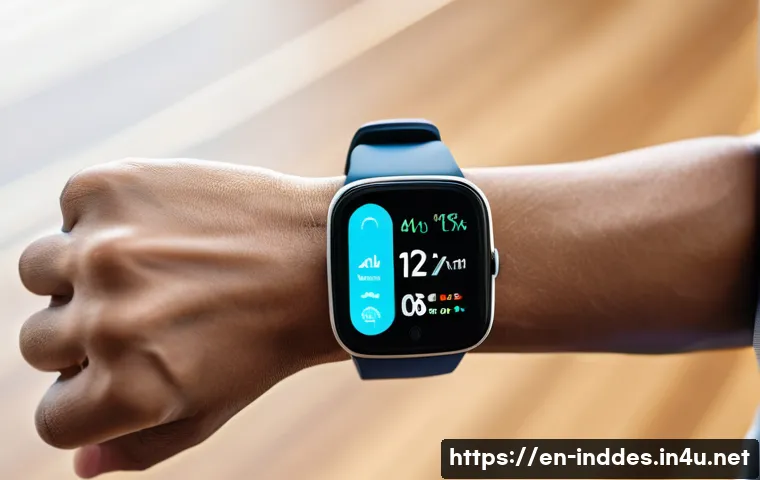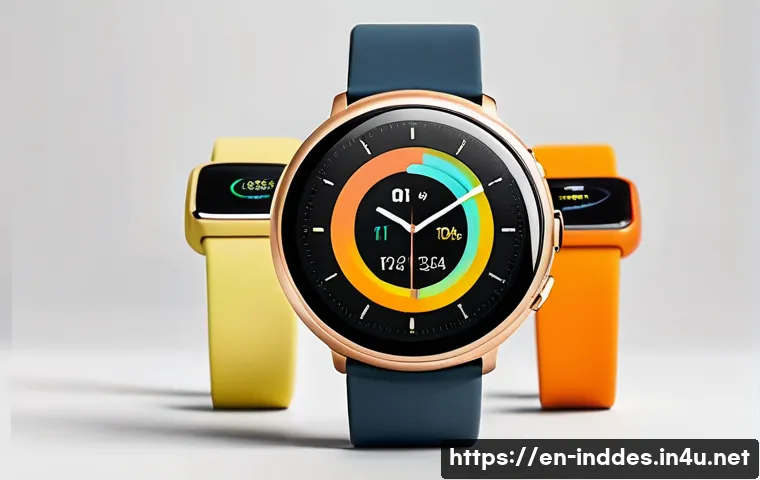
Industrial design and consumer psychology are deeply intertwined, shaping the way products captivate and fulfill user needs. When designers understand the emotional and cognitive triggers behind buying decisions, they can craft items that resonate on a personal level.
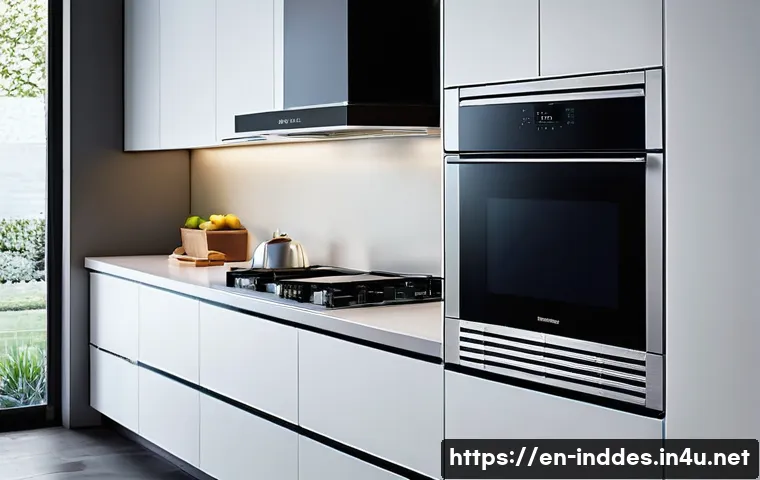
This blend of creativity and psychology not only influences aesthetics but also functionality, driving stronger brand loyalty. Over time, this synergy has evolved to reflect shifting trends and technological advances, making it a dynamic field worth exploring.
Let’s dive deeper and uncover the fascinating connections that make everyday products truly irresistible!
The Art of Emotional Connection in Product Appeal
How Colors Influence Mood and Buying Choices
Colors do much more than decorate a product; they speak directly to our emotions. When I first noticed how vibrant reds sparked urgency in limited-time offers, it clicked—colors can trigger impulse buys or calm decision-making.
Warm hues like orange and yellow often evoke friendliness and optimism, encouraging consumers to feel comfortable and positive about a purchase. On the flip side, cool colors like blue and green suggest reliability and tranquility, perfect for brands aiming to build trust.
Designers leverage these subtle psychological nudges to make a product not just seen but felt, creating a bond that nudges a user toward a purchase without overt persuasion.
The Power of Shape and Form in User Perception
Shapes are silent storytellers. Rounded edges tend to be perceived as approachable and safe, which explains why many tech gadgets and household items adopt this form to invite casual interaction.
Sharp, angular designs communicate precision and innovation, making them popular in high-end electronics or luxury goods. I remember holding a phone with a sleek, angular design; it felt modern, almost futuristic, compelling me to explore its features more thoroughly.
This tactile experience blends with the visual cues, influencing how consumers emotionally and cognitively process the product’s value. The right shape can elevate a product from functional to desirable.
Textures and Materials That Build Trust and Desire
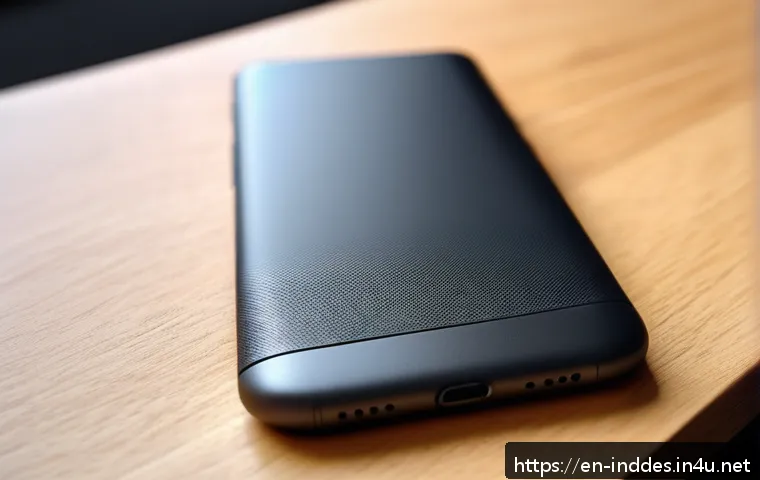
Touch is a powerful sense that often gets overlooked in digital shopping environments but is crucial in physical product design. Smooth, cool materials like metal suggest durability and quality, while soft, matte finishes invoke warmth and comfort.
When I tested a kitchen appliance with a rubberized grip, it instantly felt more secure and user-friendly. This tactile feedback builds confidence in the product’s reliability.
Designers carefully select materials not only for looks but also for how they resonate with the user’s expectations and lifestyle, making the purchase feel justified and even rewarding.
Subtle Cues That Drive Consumer Attention and Action
The Role of Visual Hierarchy in Guiding Focus
Visual hierarchy isn’t just for graphic design—it’s a secret weapon in product layout too. By prioritizing certain elements through size, color contrast, or positioning, designers guide the user’s eye exactly where they want it.
For example, a bold logo or a striking feature button can become the focal point, subtly encouraging exploration or purchase. I’ve noticed that when a product’s most attractive feature is instantly visible, I feel more compelled to investigate further.
This strategic visual storytelling streamlines decision-making, reducing hesitation and boosting conversion rates.
Using Symmetry and Balance to Evoke Satisfaction
Humans naturally gravitate toward symmetry because it signals harmony and order. Products designed with balanced proportions often feel more aesthetically pleasing and trustworthy.
When I compared two similar gadgets, the symmetrical one felt inherently better made, even before testing functionality. This innate preference taps into our cognitive biases, making symmetrical products more likely to be chosen.
Designers exploit this by ensuring every angle and curve contributes to a coherent, pleasing whole, reinforcing positive emotions toward the brand.
Incorporating Movement and Interaction for Engagement
Movement captures attention like nothing else. Interactive elements such as buttons that click satisfyingly or displays that respond to touch engage users on multiple sensory levels.
I recall a smartwatch whose rotating bezel made navigation feel intuitive and fun, turning a mundane task into a delightful experience. These dynamic interactions create emotional resonance and make users feel more connected to the product, increasing the likelihood of repeat use and brand loyalty.
Behavioral Insights That Shape Product Functionality
Understanding Cognitive Load to Simplify Use
When products are too complicated, users get frustrated and give up. I’ve personally abandoned apps and gadgets that demand too much mental effort. Designers who grasp this tend to streamline interfaces and reduce unnecessary steps, making products feel effortless.
For instance, a coffee maker with a one-button brew eliminates decision fatigue, appealing to busy users who want quick results. This focus on minimizing cognitive load not only improves satisfaction but also encourages habitual use.
Anticipating User Needs Through Habitual Patterns
Observing how people naturally behave allows designers to build products that fit seamlessly into daily routines. I’ve noticed that products aligning with established habits feel less intrusive and more intuitive.
For example, a smart thermostat that learns when I leave home and adjusts settings accordingly saves me the trouble of manual changes. This predictive design anticipates desires before they’re consciously realized, creating a smoother user experience and fostering loyalty.
Leveraging Social Proof and Familiarity for Trust
We tend to trust what others endorse or what feels familiar. Incorporating design elements that echo popular products or visibly displaying endorsements can ease apprehension.
I once bought a pair of headphones after seeing multiple positive reviews and recognizing a brand similar to one I already trusted. This psychological safety net reassures users, making them more comfortable investing in new products.
Design Strategies That Enhance Brand Loyalty
Creating Consistent Experiences Across Touchpoints
Consistency breeds familiarity, which in turn fosters loyalty. When a product’s design language matches its packaging, website, and customer service, it creates a cohesive brand story.
I remember being impressed by a company whose sleek minimalism was evident from the product itself to its unboxing experience and even the app interface.
This unity makes the brand feel reliable and thoughtful, encouraging me to stick with it.
Building Emotional Narratives That Resonate
Products that tell a story tap into deeper emotions. Designers embed narratives through visual motifs, material choices, or even product names that evoke memories or aspirations.

I once bought a backpack because its rugged, outdoorsy vibe reminded me of childhood camping trips. This emotional layering transforms a simple product into a meaningful possession, strengthening attachment and repeat purchases.
Incorporating Feedback Loops for Continuous Improvement
Brands that listen to their users and evolve accordingly build stronger loyalty. I appreciate when companies release updates or new versions addressing real user pain points.
This responsiveness shows respect for customers and creates a sense of partnership. From a design standpoint, this means creating products flexible enough to adapt and improve based on consumer psychology insights and behavior trends.
Emerging Trends Shaping Future Consumer Experiences
The Rise of Personalized and Adaptive Design
Customization is becoming a game-changer. I recently tested a fitness tracker that allowed me to tailor not only the look but also the feedback style based on my preferences and goals.
This personal touch makes products feel uniquely mine, increasing emotional investment. Adaptive design, powered by AI, can anticipate changes in user needs over time, offering a dynamic experience that evolves with the consumer.
Sustainability as a Core Emotional Driver
More consumers now want products that align with their values, particularly environmental responsibility. I find myself drawn to brands that communicate transparent sustainability efforts through materials and messaging.
This ethical dimension adds emotional depth to buying decisions, making consumers feel they’re contributing to a greater good. Designers integrate recycled materials, modular parts for easy repair, and minimalistic packaging to reinforce this.
Seamless Integration of Technology and Human Factors
Smart products that intuitively blend into daily life without overwhelming users are gaining traction. I recently used a voice-activated assistant that felt more like a helpful companion than a gadget.
This balance of cutting-edge tech and user-friendly design requires deep understanding of both human psychology and engineering, creating products that delight rather than frustrate.
Key Psychological Drivers and Design Elements Compared
| Psychological Driver | Design Element | Effect on Consumer Behavior | Example in Products |
|---|---|---|---|
| Emotion (e.g., comfort, excitement) | Color, texture | Triggers impulse or calming purchase decisions | Red sale tags, soft-touch phone cases |
| Cognitive Ease | Simple interface, clear visual hierarchy | Reduces decision fatigue, increases usability | One-button coffee makers, intuitive app layouts |
| Trust and Familiarity | Symmetry, brand consistency | Builds confidence, encourages repeat purchases | Apple’s clean designs, consistent packaging |
| Social Proof | Endorsements, recognizable branding | Reassures users, lowers perceived risk | Popular product reviews, logo placement |
| Personalization | Customizable features, adaptive interfaces | Enhances emotional attachment, satisfaction | Fitbit’s adjustable feedback, modular sneakers |
| Sustainability | Eco-friendly materials, minimal packaging | Aligns with consumer values, builds loyalty | Patagonia’s recycled fabrics, biodegradable packaging |
Psychological Impact of Branding Through Industrial Design
The Role of Iconic Shapes in Brand Recognition
Certain product shapes become synonymous with their brands, creating instant recognition and emotional response. I instantly think of the smooth, curved silhouette of the Coca-Cola bottle—it’s more than a container; it’s a symbol of refreshment and nostalgia.
This kind of design cements a brand in the consumer’s mind, making the product not just a purchase but a cultural icon.
Using Sensory Branding to Deepen Engagement
Beyond visuals, incorporating scent, sound, and tactile cues can enrich brand identity. For example, the soft click of a luxury car door or a subtle fragrance in a boutique store creates a multisensory experience that lingers.
I’ve noticed how these sensory details make me feel more connected and willing to recommend the brand, as they transform transactions into memorable moments.
Balancing Innovation with Familiarity for Market Success
While cutting-edge designs attract early adopters, too much novelty can alienate mainstream consumers. Successful brands strike a balance by introducing fresh features within a familiar framework.
I once switched to a new smartphone model that retained the classic layout but added innovative camera capabilities, making the upgrade feel exciting yet comfortable.
This strategy respects consumer psychology by reducing perceived risk while stimulating interest.
Closing Thoughts
Emotional connection in product design goes beyond aesthetics; it shapes how consumers feel and decide. By thoughtfully combining color, shape, texture, and user experience, brands create meaningful bonds that inspire trust and loyalty. Understanding these subtle psychological drivers empowers designers to craft products that resonate deeply and stand out in competitive markets.
Useful Information to Remember
1. Colors can influence mood and buying behavior, with warm hues encouraging positivity and cool tones building trust.
2. Shape and form affect perception—rounded edges invite approachability, while sharp angles convey innovation.
3. Textures and materials provide tactile reassurance, enhancing user confidence and satisfaction.
4. Visual hierarchy and balanced design guide attention and evoke a sense of harmony, reducing hesitation.
5. Personalization and sustainability are rising trends that deepen emotional attachment and align with consumer values.
Key Takeaways
Successful product design hinges on blending emotional appeal with functional ease. Prioritizing cognitive simplicity, consistent branding, and responsive feedback strengthens user trust and loyalty. Incorporating sensory elements and balancing innovation with familiarity further enhances engagement. Ultimately, understanding the psychological factors behind consumer behavior is essential for creating products that connect, satisfy, and endure in the marketplace.
Frequently Asked Questions (FAQ) 📖
Q: How does consumer psychology influence industrial design?
A: Consumer psychology plays a crucial role in industrial design by helping designers understand what motivates people to choose certain products over others.
When designers tap into emotional triggers—like comfort, nostalgia, or status—and cognitive factors such as ease of use or perceived value, they can create products that truly connect with users.
From my experience, products that consider these psychological aspects feel more intuitive and satisfying, which often leads to higher customer loyalty and better market success.
Q: Can industrial design impact brand loyalty through emotional connections?
A: Absolutely. Industrial design isn’t just about how a product looks; it’s about how it makes the user feel. When a design aligns with a consumer’s values or lifestyle, it creates an emotional bond that goes beyond functionality.
For example, I once bought a kitchen gadget not because it was the cheapest option, but because its sleek design and tactile feel made cooking more enjoyable.
This emotional connection made me a repeat customer and a vocal advocate for the brand, demonstrating how powerful design-driven loyalty can be.
Q: How have technological advances changed the relationship between industrial design and consumer psychology?
A: Technology has transformed this relationship by enabling designers to gather real-time data on user behavior and preferences. This means they can tailor products more precisely to what consumers want and need.
In my own experience, smart devices that learn from user habits—like personalized fitness trackers—showcase how technology enhances design by creating a seamless, personalized experience.
This evolution has made products not only more functional but also emotionally engaging, bridging the gap between user expectations and product performance.