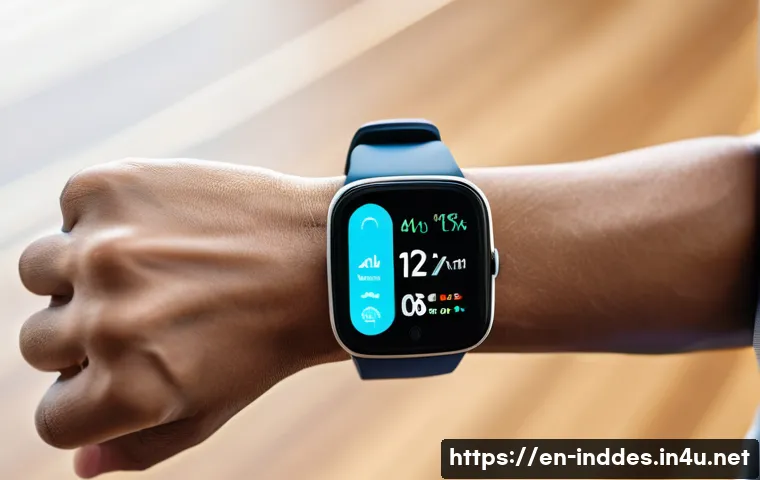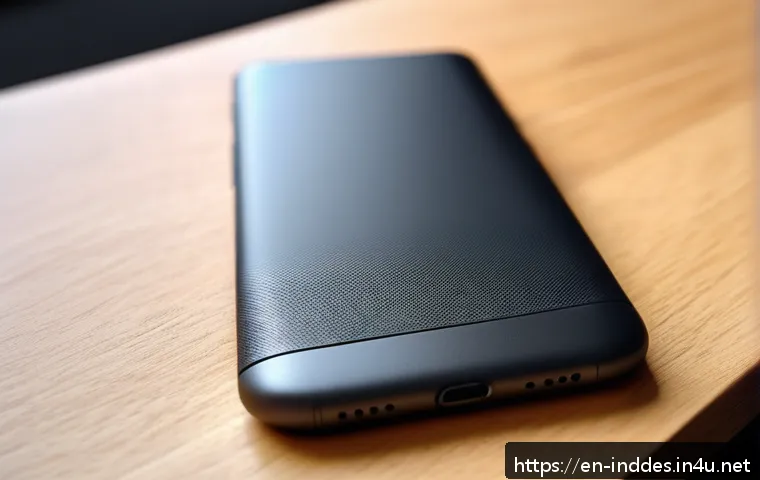
In today’s fast-paced tech world, consumer electronics are evolving faster than ever, and industrial design is at the heart of this transformation. From sleek smartphones to smart home devices, how these products look and feel can make all the difference in user experience and market success.
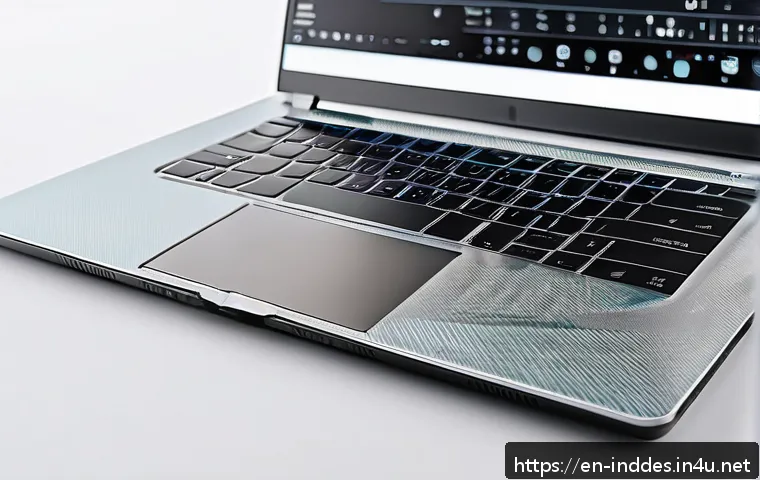
Lately, innovations in materials and sustainable design are reshaping what we expect from our gadgets. If you’ve ever wondered what drives these cutting-edge designs behind your favorite devices, you’re in the right place.
Let’s dive into how industrial design is revolutionizing the future of consumer electronics and what it means for you as a user.
Shaping User Emotions Through Visual and Tactile Appeal
The Power of Minimalism in Modern Devices
Minimalism has become a defining characteristic in contemporary consumer electronics. When I first held a device with clean lines, subtle curves, and a restrained color palette, I noticed an immediate sense of calm and focus.
This design philosophy isn’t just about aesthetics—it’s about reducing visual noise so the user can engage effortlessly with the product. Manufacturers often use matte finishes or soft-touch coatings to enhance grip and comfort, making gadgets feel more personal and approachable.
This subtle interplay between form and function creates an emotional connection that keeps users coming back, reinforcing brand loyalty in a competitive market.
How Texture Influences Perceived Quality
The texture of a device can dramatically change how it’s perceived. I’ve noticed that devices with smooth glass surfaces feel premium but can be slippery, whereas those with textured or rubberized backs feel sturdy and secure.
Designers carefully select materials that balance durability with sensory pleasure. For example, aluminum bodies offer a cool, solid touch, which subconsciously signals reliability.
Meanwhile, the tactile feedback from buttons or touchpads can make daily interactions satisfying or frustrating, depending on design choices. This sensory design aspect is crucial, especially as users spend hours handling their electronics daily.
Color Psychology and Consumer Electronics
Color choices in electronics go beyond mere trends; they tap into psychology to influence buying decisions. I’ve seen how a deep navy or charcoal gray can evoke professionalism and sophistication, making a device suitable for both work and leisure.
On the other hand, pastel tones or bold hues add personality and appeal to younger demographics seeking individuality. Brands often release limited-edition colors to create hype and exclusivity, which drives urgency and sales.
This strategic use of color helps products stand out on crowded shelves and in online marketplaces, proving that emotional triggers extend beyond functionality.
Innovations in Sustainable Materials and Eco-Friendly Manufacturing
Biodegradable and Recycled Components
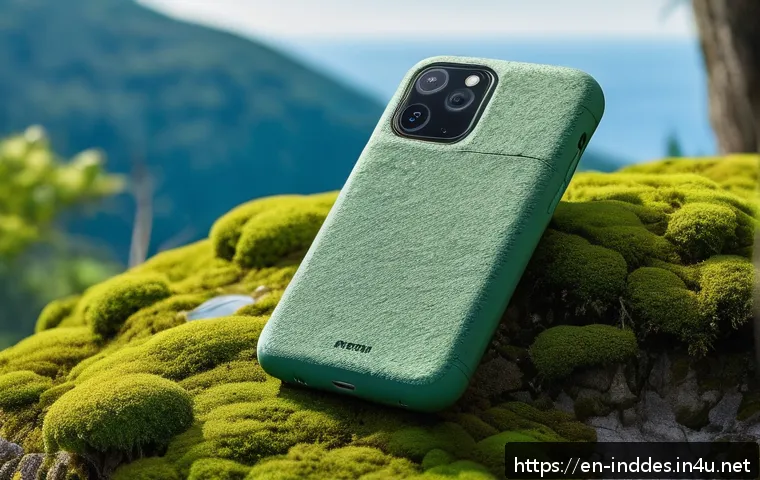
Sustainability isn’t just a buzzword—it’s reshaping how electronics are made. I’ve encountered products incorporating bioplastics derived from plant fibers or recycled ocean plastics, which significantly reduce environmental impact.
These materials are engineered to match the durability and finish of traditional plastics, proving that going green doesn’t mean sacrificing quality. The shift toward biodegradable packaging and modular designs also facilitates easier recycling and repair, which extends product life cycles and reduces e-waste.
This trend reflects growing consumer demand for responsible consumption, influencing purchasing choices more than ever.
Energy-Efficient Manufacturing Techniques
Behind the scenes, manufacturers are adopting cleaner production methods. I’ve read about factories reducing carbon footprints by using renewable energy sources and cutting water waste through closed-loop systems.
Additive manufacturing or 3D printing is also gaining traction, allowing precise material use and minimizing scrap. These advances lower production costs and environmental strain simultaneously.
When brands communicate these efforts transparently, it builds trust and appeals to eco-conscious consumers who want their gadgets to align with their values.
Challenges and Future Directions in Green Design
Despite progress, there are hurdles in widespread adoption of sustainable practices. Biodegradable materials sometimes face durability concerns, and recycling infrastructures vary globally, complicating circular economy goals.
From my perspective, the next big leap will be integrating AI-driven material science to develop composites that are both eco-friendly and high-performance.
Additionally, incentivizing consumers to return old devices through trade-in programs can boost recycling rates. The intersection of innovation, policy, and consumer behavior will ultimately shape the trajectory of sustainable electronics.
Ergonomics and User-Centered Design Enhancements
Designing for Comfort in Everyday Use
Ergonomics plays a critical role in how comfortable a device feels during extended use. I personally appreciate when a smartphone or wearable fits naturally in my hand or wraps snugly around my wrist without causing strain.
Designers employ anthropometric data and user testing to optimize size, weight, and button placement. For example, curved edges and contoured backs reduce pressure points, while strategically placed tactile buttons enable intuitive control without looking.
These details might seem small but collectively transform user experience by minimizing fatigue and frustration.
Accessibility Features Embedded in Design
Inclusive design has become a priority as companies strive to serve diverse user groups. I’ve noticed features like high-contrast displays, haptic feedback, and voice control integrated seamlessly into devices, empowering users with varying abilities.
Adjustable interface elements and customizable controls allow users to tailor their experience, enhancing independence and satisfaction. This approach not only broadens market reach but also aligns with ethical commitments to accessibility, creating products that genuinely serve everyone.
Balancing Portability with Functionality
Portability is often a key selling point, but it can clash with feature-rich designs. I’ve handled ultra-slim laptops and foldable phones that cleverly balance compactness with screen size and processing power.
Innovative hinge mechanisms and lightweight materials make these devices easier to carry without compromising performance. The challenge lies in maintaining structural integrity and heat dissipation in smaller forms, which requires advanced engineering solutions.
This balancing act is crucial as users demand devices that keep up with their mobile lifestyles without sacrificing capability.
Smart Integration and the Role of Interface Design
Seamless Connectivity Across Devices
The rise of smart ecosystems means devices must communicate flawlessly. I’ve experienced firsthand how intuitive syncing between a smartphone, smartwatch, and smart home hub enhances convenience.
Designers focus on creating consistent UI patterns and smooth transitions to avoid user confusion. Features like automatic device detection and cross-device notifications enable users to stay connected effortlessly.
This seamless integration elevates the overall experience by turning multiple gadgets into a unified, intelligent network.
Voice and Gesture Controls as Natural Interfaces
Voice assistants and gesture recognition have transformed interaction paradigms. Initially, I was skeptical about voice commands, but after trying them in daily routines, I found them surprisingly efficient for hands-free control.
Gesture controls allow quick actions without touching screens, particularly useful in situations like cooking or driving. Designers face the challenge of making these interfaces reliable and context-aware to prevent errors.
As AI improves, these natural input methods will become more responsive, reducing reliance on traditional buttons and taps.
Visual Feedback and User Guidance
Clear visual cues help users navigate complex functions without frustration. I’ve noticed that subtle animations, color changes, and progress indicators guide me intuitively through setup or troubleshooting.
Good interface design anticipates user needs and provides feedback that reassures or informs without overwhelming. This user-centered approach decreases learning curves and enhances satisfaction, making even sophisticated devices accessible to novices.
Material Innovation Driving Durability and Aesthetics
Advanced Alloys and Composite Materials
Materials like aerospace-grade aluminum and carbon fiber composites are increasingly common in high-end electronics. In my experience, these materials provide exceptional strength-to-weight ratios, meaning devices can be both lighter and more durable.
Beyond function, their unique textures and finishes add a premium feel that sets products apart. These materials also resist scratches and dents better than traditional plastics, extending the device’s visual appeal and lifespan.
Glass Technology and Display Protection
Screen durability remains a critical focus as displays dominate user interaction. Technologies like Gorilla Glass and sapphire coatings offer enhanced scratch resistance and shatter protection.
I’ve dropped phones multiple times, and those with reinforced glass survived unscathed, which speaks volumes about their practical value. Manufacturers also experiment with flexible glass to enable foldable screens, opening new design possibilities.
This evolution in glass tech balances clarity, touch sensitivity, and toughness for an optimal user experience.
Coatings for Smudge Resistance and Hygiene
Fingerprint smudges and grime can quickly degrade device appearance and hygiene. I’ve found oleophobic coatings on screens and antimicrobial finishes on frequently touched surfaces invaluable.
These coatings repel oils and microbes, keeping devices cleaner and more pleasant to handle. As health consciousness rises, such features become selling points that add functional value beyond aesthetics.
Balancing Innovation with User Expectations
Anticipating Needs Before They Arise
Some of the most successful designs anticipate user habits and solve problems before users even notice them. I recall a smart thermostat whose learning algorithm adjusted temperatures based on my schedule without manual input, making life simpler.
This proactive design approach requires deep user research and data analysis, but it pays off by creating delight and reducing friction. It’s about building trust that the product “gets” the user.
The Risk of Over-Engineering Features
While innovation excites, piling on too many features can overwhelm users. I’ve encountered gadgets with so many buttons and modes that I gave up trying to master them.
Striking the right balance between cutting-edge and intuitive is an art. Designers must prioritize features that add genuine value and eliminate redundancies.
Simplification often wins in the long run, ensuring that technology enhances life rather than complicates it.
Feedback Loops and Continuous Improvement
User feedback is a goldmine for refining design. Companies that actively solicit and incorporate customer insights build better products over time. I’ve participated in beta testing programs where my suggestions led to interface tweaks or feature adjustments that made a big difference.
This iterative process fosters a sense of community and ownership, encouraging brand loyalty and advocacy. It’s a reminder that design is never truly finished but evolves alongside its users.
| Design Aspect | Key Benefits | Real-World Examples |
|---|---|---|
| Minimalist Aesthetics | Enhances focus, emotional connection | Apple iPhone, Google Pixel |
| Sustainable Materials | Reduces environmental impact, appeals to eco-conscious users | Fairphone, Samsung’s Ocean Plastic line |
| Ergonomics | Improves comfort, reduces fatigue | Microsoft Surface Ergonomic Keyboard, Fitbit wearables |
| Smart Integration | Seamless device communication, convenience | Apple ecosystem, Amazon Alexa devices |
| Material Innovation | Increases durability, premium feel | Carbon fiber laptops, Gorilla Glass screens |
| User-Centered Design | Boosts accessibility, satisfaction | Voice assistants, customizable UI |
In Conclusion
Design is far more than just appearance—it shapes how we feel and interact with technology daily. From minimalist aesthetics to sustainable materials and smart integration, thoughtful design enhances both functionality and emotional connection. As innovation continues, prioritizing user comfort, accessibility, and durability ensures products remain relevant and beloved. Ultimately, great design anticipates needs, simplifies life, and builds lasting trust between users and brands.
Helpful Information to Know
1. Minimalist design reduces distractions and fosters a calm, focused user experience, making devices feel approachable and personal.
2. Sustainable materials like bioplastics and recycled plastics help lower environmental impact without compromising quality or durability.
3. Ergonomic features such as contoured shapes and intuitive button placement minimize fatigue and enhance comfort during extended use.
4. Seamless connectivity and natural interfaces like voice and gesture controls simplify device interaction and improve convenience.
5. Advanced materials and protective coatings increase durability while maintaining a premium look and feel, extending product lifespan.
Key Takeaways
Successful product design balances innovation with user expectations by anticipating needs and avoiding feature overload. Incorporating eco-friendly materials and energy-efficient manufacturing aligns with growing consumer values. Ergonomics and accessibility ensure that technology is comfortable and usable for diverse audiences. Smart integration and intuitive interfaces create seamless experiences across devices. Finally, material advancements provide durability and aesthetic appeal, reinforcing brand loyalty and satisfaction over time.
Frequently Asked Questions (FAQ) 📖
Q: uestionsQ1: How does industrial design impact the usability of consumer electronics?
A: Industrial design plays a crucial role in usability by shaping how intuitive and comfortable a device feels in your hands. When designers focus on ergonomics, button placement, and material texture, they create products that are not only visually appealing but also easy to use.
From my experience, a well-designed smartphone or smart home device reduces frustration and enhances daily interaction, making technology feel more natural and accessible.
Q: What are some recent material innovations in consumer electronics design?
A: Recently, we’ve seen a shift towards sustainable and durable materials like recycled plastics, biodegradable composites, and lightweight metals such as aluminum and magnesium alloys.
These materials not only reduce environmental impact but also improve the device’s longevity and aesthetic appeal. For example, some brands now use ocean-bound plastics for their phone casings, combining eco-consciousness with premium feel—a trend that resonates strongly with today’s eco-aware consumers.
Q: Why is sustainable design becoming more important in consumer electronics?
A: Sustainable design matters because consumers and manufacturers alike are recognizing the environmental footprint of electronics. Designing products that are easier to repair, recycle, or upgrade helps reduce e-waste and conserves resources.
From my perspective, this shift also encourages companies to innovate beyond just looks and performance, adding real value by considering a product’s lifecycle and impact, which ultimately benefits both users and the planet.