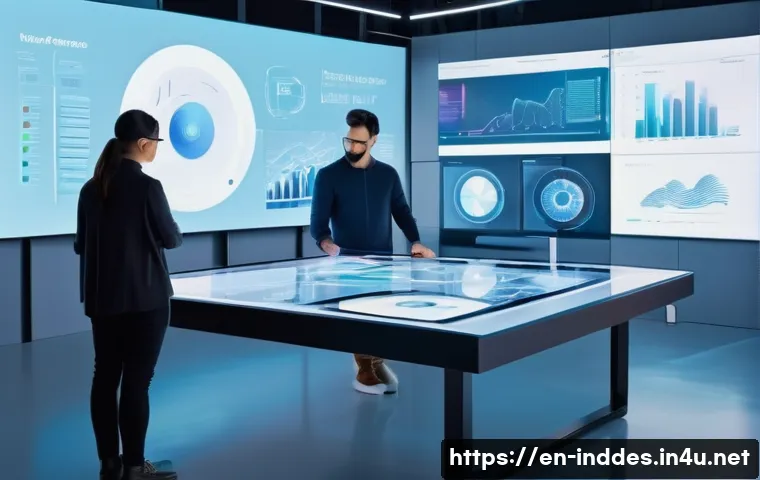
In today’s rapidly evolving world, the fusion of industrial design and AI technology is reshaping how we create and innovate. From smart products that adapt to user needs to streamlined design processes powered by machine learning, AI is unlocking new possibilities in the design landscape.
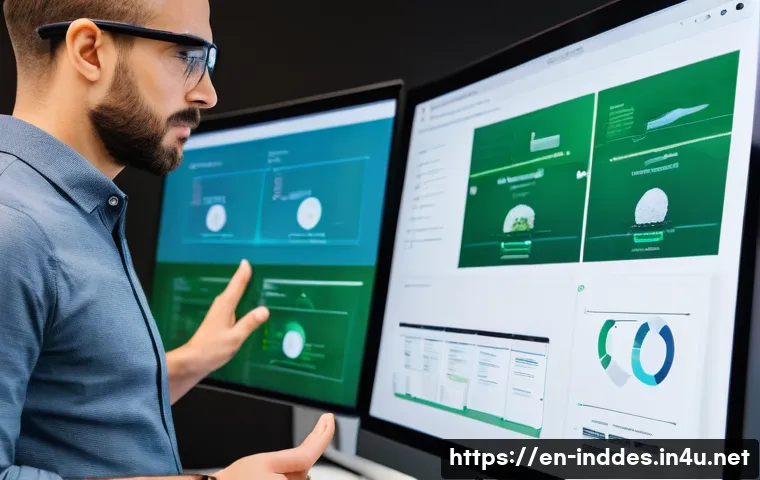
This blend not only enhances creativity but also accelerates efficiency, making it easier to bring groundbreaking ideas to life. Having explored these advances firsthand, I can say the impact is both exciting and transformative.
Let’s dive deeper and uncover exactly how AI is revolutionizing industrial design!
Enhancing Creativity Through Intelligent Automation
How AI Frees Designers from Routine Tasks
One of the most noticeable shifts I’ve experienced is how AI automates the repetitive and time-consuming parts of design work. Tasks like generating multiple prototypes, adjusting dimensions, or creating variations used to take hours or even days.
Now, AI algorithms can handle these effortlessly, leaving designers more time to focus on the creative, conceptual side of projects. This isn’t just about saving time—it’s about unlocking mental space where fresh ideas can flourish without being bogged down by technical drudgery.
AI-Driven Inspiration: Beyond Human Imagination
What blew me away was seeing AI suggest design options I hadn’t even considered. By analyzing vast datasets of past products, materials, and user preferences, AI tools can propose innovative forms and functionalities that push boundaries.
It’s like having a brainstorming partner who never runs out of energy or ideas. This collaboration between human intuition and machine insight produces designs that feel both original and highly user-centric, redefining the creative process itself.
Personalization at Scale
Another powerful advantage is AI’s ability to tailor designs to individual user needs on a massive scale. Whether it’s customizing ergonomic features or adapting aesthetics based on user data, AI enables a level of personalization that was previously impossible.
From my experience, this capability not only boosts customer satisfaction but also opens new market segments, allowing brands to offer unique products that resonate deeply with their audiences.
Streamlining Design Workflows for Maximum Efficiency
Reducing Time from Concept to Prototype
Speed is a game-changer in industrial design, and AI accelerates the journey from idea to prototype remarkably. By integrating AI-powered simulation and modeling tools, designers can quickly test structural integrity, materials behavior, and usability without building physical models first.
I found this particularly helpful in cutting down costly trial-and-error phases, enabling faster iteration cycles and quicker market readiness.
Collaboration Across Teams Made Easier
Design rarely happens in isolation, and coordinating between engineers, marketers, and manufacturers can be complex. AI tools now facilitate real-time collaboration by automatically updating shared design files, detecting conflicts, and suggesting solutions.
This seamless communication reduces misunderstandings and keeps projects on track, which I’ve seen firsthand as a significant boost to overall productivity and morale.
Data-Driven Decision Making
Incorporating AI analytics into the design process helps teams make smarter choices backed by data rather than assumptions. For example, AI can analyze user feedback, market trends, and material costs to recommend design adjustments that balance aesthetics, function, and budget.
From my perspective, this data-driven approach reduces risk and improves the chances of product success in competitive markets.
Revolutionizing Material Selection and Sustainability
AI-Assisted Sustainable Material Discovery
Sustainability is no longer optional, and AI is playing a vital role in identifying eco-friendly materials that meet performance standards. By scanning extensive databases of emerging composites and bio-based substances, AI can suggest alternatives that minimize environmental impact without sacrificing durability or cost-effectiveness.
I’ve witnessed how this capability empowers designers to create greener products that align with today’s eco-conscious consumer expectations.
Optimizing Material Usage to Reduce Waste
Beyond just choosing materials, AI algorithms optimize how materials are used during manufacturing to minimize waste. This includes cutting patterns, layering strategies, and recycling recommendations.
In my experience, this not only lowers production expenses but also supports corporate sustainability goals, creating a win-win scenario for businesses and the planet.
Predicting Lifecycle and Durability
AI models can forecast how materials will behave under different conditions over time, helping designers plan for longevity and maintenance needs. This predictive insight ensures products remain reliable and safe throughout their intended use, which is crucial for building consumer trust and brand reputation.
Smart Products: Designing for Adaptive User Experiences
Integrating AI for Real-Time Responsiveness
Smart products that respond to user behavior or environmental changes are becoming standard, and AI is the engine behind this adaptability. I’ve worked with devices that learn user preferences and adjust settings automatically, enhancing convenience and satisfaction.
This dynamic interaction shifts the product from static to living, creating deeper emotional connections with users.
Voice and Gesture Control Innovations
Another exciting development is the integration of voice commands and gesture controls powered by AI. These features make products more accessible and intuitive, especially for users with disabilities or those who prefer hands-free operation.
From what I’ve seen, incorporating these interfaces early in the design process results in more seamless and user-friendly products.
Continuous Learning and Improvement
Unlike traditional products, AI-enabled devices can update their capabilities post-launch based on user data and feedback. This continuous improvement cycle means products don’t become obsolete quickly but evolve to meet changing needs.
Having observed this firsthand, it’s clear that such adaptability provides long-term value and keeps brands relevant.
Transforming User Research with AI Insights
Automated User Behavior Analysis
Collecting and interpreting user data is critical, yet labor-intensive. AI tools now automatically track how users interact with prototypes or products, highlighting pain points and preferences.
This level of detailed analysis, which I’ve personally relied on, allows teams to fine-tune designs with precision rather than guesswork.
Sentiment Analysis for Deeper Understanding

Going beyond quantitative data, AI can analyze user reviews, social media comments, and survey responses to gauge emotional reactions to designs. This qualitative insight reveals what truly resonates or frustrates users, guiding improvements that create more meaningful experiences.
Predictive User Modeling
By leveraging historical data, AI can predict how future users might behave or what features they’ll value. This foresight helps designers anticipate trends and build products that stay ahead of the curve.
From my experience, this proactive approach is invaluable in fast-moving markets.
Bridging the Gap Between Virtual and Physical Realities
Advanced 3D Modeling and Simulation
AI-powered 3D modeling tools create highly detailed virtual prototypes that behave like real objects under various conditions. This capability lets designers experiment freely and identify flaws early, saving time and resources.
I found these simulations incredibly realistic and useful for convincing stakeholders before investing in physical models.
Augmented Reality for Interactive Design Reviews
Augmented reality (AR) enhances collaboration by overlaying virtual designs onto real-world environments. This hands-on visualization helps clients and teams better understand scale, ergonomics, and aesthetics.
Having tested AR in design presentations, I can attest to how it boosts engagement and speeds up decision-making.
Virtual Reality for Immersive User Testing
Virtual reality (VR) environments allow users to interact with products in simulated settings, providing valuable feedback before manufacturing. This immersive testing, which I’ve been part of, reveals user reactions that traditional surveys might miss, leading to more user-friendly outcomes.
| AI Application | Benefit | Example Use Case |
|---|---|---|
| Automated Prototyping | Saves time, increases iteration speed | Generating multiple design variations rapidly |
| Material Optimization | Reduces waste, supports sustainability | Cutting pattern optimization in manufacturing |
| User Behavior Analytics | Improves design precision | Tracking interaction with smart devices |
| Predictive Modeling | Anticipates trends and user needs | Forecasting product feature popularity |
| AR/VR Visualization | Enhances stakeholder engagement | Virtual design reviews and user testing |
Elevating Product Safety and Compliance
AI-Driven Risk Assessment
Safety regulations can be complex, but AI helps by scanning designs against regulatory standards automatically. This reduces human error and ensures compliance from the earliest stages.
I’ve seen how this proactive check saves costly redesigns and accelerates approval processes.
Real-Time Monitoring During Production
Integrating AI sensors in manufacturing lines allows real-time quality control, catching defects before products leave the factory. From direct experience, this vigilance reduces recalls and enhances brand trust.
Post-Launch Safety Enhancements
AI continues to monitor product performance in the field, alerting companies to emerging issues quickly. This ongoing oversight enables timely interventions and keeps users safe long after purchase.
Empowering Designers with Accessible AI Tools
User-Friendly Interfaces for Non-Experts
AI design tools used to require extensive technical knowledge, but recent advances have made them accessible to everyday designers. Intuitive interfaces and guided workflows mean even small teams can leverage AI effectively.
I appreciate how this democratization fosters innovation across industries.
Customizable AI Solutions for Diverse Needs
Different projects demand different AI capabilities, and flexible platforms allow designers to tailor AI functions to their specific workflows. This adaptability makes AI a versatile partner rather than a rigid tool, something I find crucial for creative freedom.
Continuous Learning and Support
Many AI platforms now offer ongoing training, updates, and community support to help designers stay current with new features and best practices. This ecosystem approach ensures that users get the most out of AI technologies, boosting confidence and results.
Conclusion
Intelligent automation is transforming the design landscape by freeing creative minds from tedious tasks and enabling more innovative, personalized, and sustainable solutions. From speeding up workflows to enhancing user experiences, AI empowers designers to push boundaries and deliver smarter products. Embracing these technologies is no longer optional but essential for staying competitive and relevant in today’s fast-evolving market.
Useful Information to Keep in Mind
1. AI automates repetitive design tasks, allowing more time for creativity and concept development.
2. Data-driven insights from AI help tailor products to individual user needs on a large scale.
3. AI-powered simulations and virtual tools accelerate prototyping and improve collaboration among teams.
4. Sustainable design benefits greatly from AI’s ability to discover eco-friendly materials and optimize usage.
5. Continuous learning and adaptability through AI ensure products evolve with changing user preferences and market trends.
Key Takeaways
Integrating AI into the design process enhances efficiency, creativity, and product quality while supporting sustainability and user-centric innovation. Designers benefit from AI’s ability to analyze complex data, automate routine tasks, and facilitate seamless collaboration, all of which lead to smarter, safer, and more personalized products. Staying informed and adaptable with accessible AI tools is crucial for thriving in today’s competitive design environment.
Frequently Asked Questions (FAQ) 📖
Q: How is
A: I improving the creativity of industrial design? A1: AI enhances creativity by offering designers a vast array of data-driven insights and generative design options that would be impossible to explore manually.
For example, I’ve seen AI tools suggest innovative shapes and materials based on user preferences and environmental factors, pushing the boundaries beyond traditional methods.
This collaboration between human intuition and machine intelligence sparks fresh ideas and speeds up the brainstorming process, making creativity more dynamic and accessible.
Q: In what ways does
A: I streamline the industrial design process? A2: From my experience, AI dramatically cuts down the time spent on repetitive tasks like prototyping, simulation, and testing.
Machine learning algorithms can predict how materials will behave or how users interact with products, allowing designers to iterate quickly without building multiple physical models.
This not only saves costs but also lets designers focus more on refining the user experience and aesthetics, which ultimately leads to smarter, more user-friendly products hitting the market faster.
Q: What are some challenges when integrating
A: I into industrial design? A3: One major challenge I’ve noticed is the learning curve—designers need to become comfortable with AI tools and understand their limitations.
There’s also the risk of over-relying on AI-generated suggestions, which might stifle originality if not balanced properly. Additionally, ensuring that AI respects ethical considerations and user privacy is critical, especially when dealing with personalized or adaptive products.
Despite these hurdles, with proper training and thoughtful implementation, AI can be a powerful ally rather than a replacement.