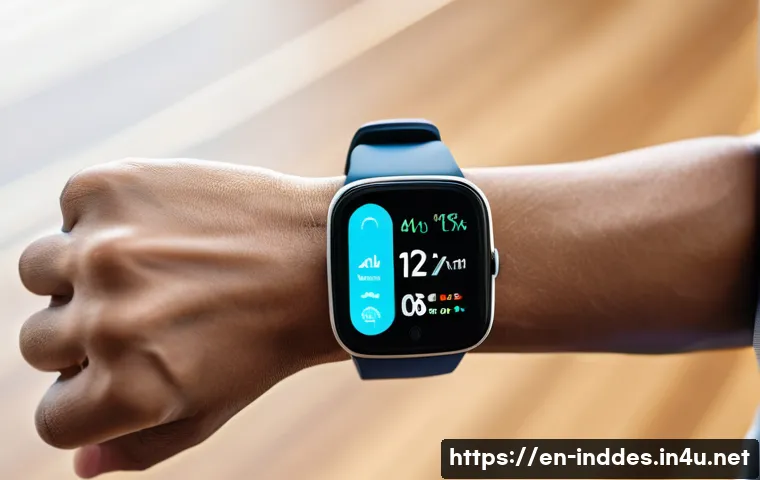
Industrial design has always been at the forefront of shaping how we interact with everyday products, blending functionality with aesthetics. In recent years, the rise of smart wearable technology has transformed this field, merging cutting-edge innovation with user-centered design.
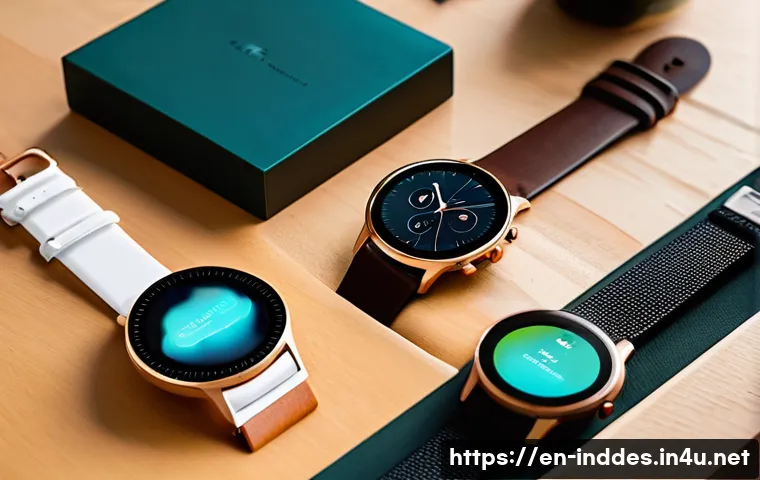
These devices not only enhance convenience but also offer personalized experiences that adapt to our lifestyles. As the market grows, designers face new challenges and opportunities to create seamless, intuitive products that resonate with users.
Understanding the intersection of industrial design and smart wearables is key to appreciating how technology is evolving around us. Let’s dive deeper into this fascinating topic and uncover the details together!
The Evolution of User Interaction in Wearable Devices
From Buttons to Touch and Beyond
Wearable technology has come a long way from the days of simple button presses. Today, we see an increasing reliance on touchscreens, voice commands, and even gesture controls.
This evolution is driven by the desire to make devices feel more natural and less intrusive in daily life. For example, instead of fumbling with tiny buttons on a smartwatch during a workout, users can simply swipe or speak commands, making the interaction fluid and intuitive.
The challenge for designers is to balance responsiveness with simplicity so that users don’t feel overwhelmed by complex input methods.
Personalization Through Adaptive Interfaces
One of the most exciting advances is the ability of wearables to adapt their interface based on individual user behavior. Imagine a fitness tracker that learns your exercise habits and adjusts the display to highlight relevant stats automatically or a smartwatch that changes its notification style based on your current activity.
This level of personalization requires designers to think beyond static layouts and consider dynamic, context-aware interfaces that make technology feel more human and less mechanical.
Ergonomics Meets Digital Experience
Designing for wearables is not just about screens and buttons—it’s about how the device sits on your body and interacts with your movements. The physical comfort of wearing something all day directly influences how people perceive its usability.
Designers must carefully select materials, shapes, and sizes that accommodate diverse users, ensuring that the digital experience is complemented by physical ease.
This holistic approach encourages longer wear time and deeper engagement with the device’s features.
Material Innovation and Its Role in Wearable Comfort
Advanced Polymers and Flexible Electronics
Materials science has opened new doors for wearable design, especially with the advent of flexible electronics and advanced polymers. These materials allow devices to bend, stretch, and conform to the contours of the body, vastly improving comfort.
For instance, flexible OLED displays can wrap around wrists or fingers without compromising durability, enabling more discreet and comfortable designs.
The integration of soft, breathable fabrics also helps reduce irritation during extended wear, which is crucial for fitness and health-monitoring devices.
Durability Versus Aesthetics
While comfort is essential, durability cannot be sacrificed. Wearables must withstand daily wear and tear, exposure to sweat, water, and accidental bumps.
Designers often face a trade-off between sleek, elegant designs and rugged construction. However, recent innovations in coatings and scratch-resistant materials help bridge this gap, allowing for products that look stylish while standing up to real-world conditions.
This balance is pivotal in attracting users who want both fashion and function in their wearable tech.
Sustainable and Eco-Friendly Choices
With growing environmental awareness, many designers are now prioritizing sustainability. Using recycled materials, biodegradable components, and energy-efficient manufacturing processes is becoming a key focus.
Beyond the device itself, packaging and end-of-life recyclability are also considered. This approach appeals to eco-conscious consumers and enhances brand credibility.
Some companies even promote take-back programs to recycle old wearables responsibly, reflecting a commitment to reducing tech waste.
Bridging Health and Technology Through Wearable Design
Real-Time Monitoring with User Comfort in Mind
Health-focused wearables demand a high degree of accuracy while maintaining user comfort. Devices like heart rate monitors, sleep trackers, and glucose sensors are now embedded in designs that users can wear continuously without discomfort.
The challenge lies in integrating sensitive sensors without bulkiness or intrusive placements. Designers must collaborate closely with medical experts to ensure that the form factor supports precise data collection without compromising everyday usability.
Feedback and Motivation Embedded in Design
Beyond data collection, wearables serve as personal coaches by providing feedback and motivation. Haptic feedback, subtle vibrations, or visual cues can encourage users to move more or relax during stressful moments.
These design elements are carefully crafted to avoid annoyance while still being effective. From my own experience testing fitness trackers, the gentle buzz reminding me to stand after long sitting periods made a noticeable difference in my daily activity levels.
Privacy and Ethical Considerations in Health Wearables
Collecting personal health data raises significant privacy concerns. Designers and developers need to ensure transparency about data usage and implement robust security measures.
The physical design can also influence user trust—for example, visible indicators that data transmission is secure or easy-to-understand privacy controls accessible through the device interface.
Ethical design practices that respect user autonomy and confidentiality are essential in this sensitive domain.
Seamless Integration with Everyday Life
Wearables as Fashion Statements
Today’s wearables are no longer just gadgets; they are fashion accessories. Designers collaborate with fashion brands to create devices that match personal style, whether it’s a sleek metal smartwatch or a colorful fitness band.
This shift broadens the appeal of wearables beyond tech enthusiasts to a wider audience who value aesthetics as much as functionality. The ability to swap bands, customize watch faces, or choose from various finishes empowers users to express themselves through technology.
Battery Life and Charging Solutions
One persistent challenge is balancing power consumption with slim, attractive designs. Users expect wearables to last days on a single charge without bulky batteries.
Innovations like wireless charging, solar-powered components, and energy-efficient chips help extend battery life while maintaining sleek profiles. Personally, I’ve found that the convenience of quick wireless charging offsets the slight trade-off in device thickness, making the experience smoother overall.
Interoperability with Other Devices
Wearables rarely operate in isolation. Integration with smartphones, smart home systems, and cloud services is critical. Designers must ensure that wearables communicate seamlessly with other devices, providing a unified user experience.
This involves standardized protocols, intuitive app interfaces, and consistent design language across platforms. When done right, it turns a wearable from a standalone tool into an integral part of a connected ecosystem.
Challenges and Opportunities in Wearable Design
Balancing Innovation with User Expectations
The pace of technological advancement can sometimes outstrip user readiness. Designers must carefully introduce new features without overwhelming or confusing users.
Striking this balance requires deep understanding of user needs, iterative testing, and clear communication. I’ve noticed that early adopters often crave cutting-edge tech, but broader audiences prefer reliability and simplicity.
Successful products cater thoughtfully to both segments.
Accessibility and Inclusivity
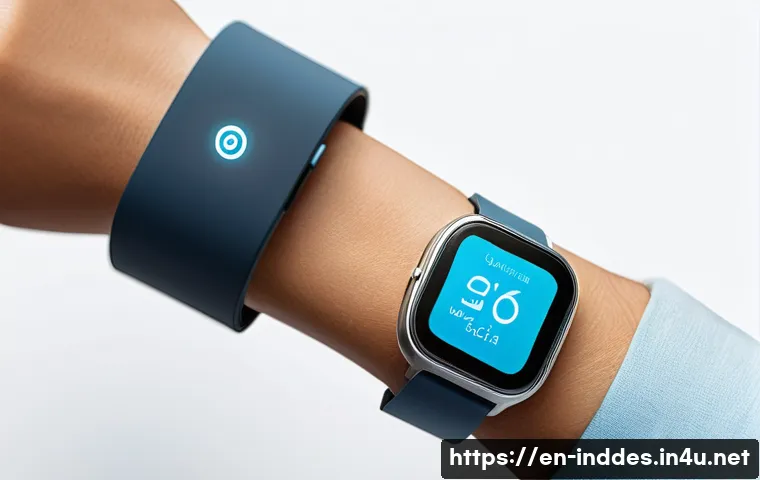
Creating wearables that accommodate diverse users—including those with disabilities—is both a challenge and a moral imperative. Features like adjustable straps, voice navigation, and customizable displays improve accessibility.
Inclusive design not only expands market reach but also enriches the product’s reputation. In my experience, wearables that offer multiple interaction modes tend to receive more positive feedback because they empower users with varying abilities.
Future Trends to Watch
Looking ahead, we can expect wearables to become even more integrated with AI, offering predictive insights and more proactive assistance. Materials will grow lighter and more adaptive, while miniaturization will enable new form factors like smart rings or embedded skin patches.
Designers have the exciting opportunity to pioneer these frontiers, creating experiences that feel less like technology and more like natural extensions of ourselves.
| Aspect | Key Considerations | Design Impact |
|---|---|---|
| User Interaction | Touch, voice, gesture; adaptive interfaces | More intuitive, personalized, less intrusive |
| Materials | Flexible polymers, durability, sustainability | Enhanced comfort, longevity, eco-friendliness |
| Health Integration | Sensor accuracy, comfort, privacy | Reliable monitoring, user trust, ethical use |
| Style & Fashion | Customization, brand collaboration | Broader appeal, personal expression |
| Power & Connectivity | Battery life, wireless charging, interoperability | Convenience, seamless ecosystem integration |
| Accessibility | Inclusive features, diverse user needs | Wider user base, improved usability |
The Role of Data and Analytics in Shaping Design Decisions
Leveraging User Feedback for Iterative Improvement
Wearable designers increasingly rely on real user data to refine their products. Analytics on how users interact with their devices provide invaluable insights into what works and what doesn’t.
For example, if a particular gesture command goes unused, designers might reconsider its necessity or tweak its implementation. This data-driven approach ensures that design evolves in line with actual user behavior rather than assumptions.
Predictive Analytics for Anticipating User Needs
Going a step further, predictive analytics powered by AI can forecast user requirements before they arise. Imagine a wearable that senses your stress levels rising and proactively suggests breathing exercises or a break.
Incorporating these capabilities requires designers to think not just about current functionality but about future scenarios, creating products that feel truly proactive and supportive.
Ethical Handling of Data in Design Processes
While data is a powerful tool, it comes with responsibility. Designers must embed privacy by design principles, ensuring that personal information is collected transparently and stored securely.
This ethical stance builds user confidence and aligns with growing regulatory demands. Involving multidisciplinary teams—including legal and ethical experts—in the design process strengthens the product’s integrity and market acceptance.
Customization and Modularity as Emerging Design Strategies
Allowing Users to Tailor Their Experience
One of the most appealing trends is offering users the ability to customize both appearance and functionality. Whether through interchangeable bands, modular components, or software personalization, customization makes devices more engaging and personally relevant.
From my perspective, this approach fosters a sense of ownership and attachment, encouraging longer-term use and brand loyalty.
Modular Designs for Easy Upgrades and Repairs
Modularity also supports sustainability by enabling users to upgrade or replace parts instead of discarding the entire device. This design philosophy reduces electronic waste and appeals to environmentally conscious consumers.
However, it requires careful engineering to maintain sleek aesthetics while allowing easy access to components, a challenge that designers are actively tackling with innovative solutions.
Balancing Complexity with User-Friendly Assembly
While modularity offers many benefits, it introduces complexity in assembly and user experience. Designers must ensure that swapping components is straightforward and does not compromise device performance or durability.
Clear instructions, intuitive connectors, and robust materials are essential. In practice, well-executed modular wearables empower users without overwhelming them.
Cross-Disciplinary Collaboration in Wearable Design
Synergy Between Designers, Engineers, and Health Experts
Creating successful wearables demands close cooperation among diverse experts. Industrial designers focus on aesthetics and ergonomics, engineers handle hardware and software integration, while health professionals provide insights into medical accuracy and safety.
This multidisciplinary approach ensures that products are not only beautiful and functional but also medically reliable when needed.
Involving Users Early in the Design Process
User-centered design starts with involving target users from the earliest stages. Conducting interviews, usability tests, and prototype trials uncovers real-world pain points and preferences.
This iterative feedback loop helps designers avoid costly missteps and develop products that truly meet user needs. From experience, the most successful wearable projects are those that maintain open channels of communication with their audience throughout development.
Leveraging Emerging Technologies for Innovation
Collaboration also extends to integrating emerging technologies like AI, augmented reality, and advanced sensors. Designers who stay informed about these trends and work closely with tech specialists are better positioned to create groundbreaking wearables.
This forward-thinking mindset is vital in a rapidly evolving market where innovation is the key to differentiation and success.
Conclusion
Wearable technology has transformed remarkably, blending innovation with everyday practicality. By focusing on user comfort, personalization, and seamless integration, these devices are becoming natural extensions of our lives. As designers continue to push boundaries, the future promises even more intuitive and meaningful wearable experiences.
Useful Information to Know
1. Wearable interfaces are evolving from simple buttons to adaptive, context-aware interactions, making devices easier and more intuitive to use.
2. Advanced materials like flexible polymers and breathable fabrics significantly enhance comfort and durability for all-day wear.
3. Health wearables balance precise monitoring with privacy and ethical data handling to build user trust.
4. Customization and modularity allow users to personalize their devices and extend product lifespan, supporting sustainability.
5. Cross-disciplinary collaboration and user involvement early in design ensure wearables meet real needs while embracing cutting-edge technologies.
Key Takeaways
Successful wearable design hinges on harmonizing innovation with user-centered simplicity, ensuring comfort without sacrificing functionality. Prioritizing ethical data practices and inclusivity broadens appeal and trust. Moreover, embracing customization and sustainable materials not only enriches user experience but also addresses environmental concerns. Ultimately, collaboration across fields and continuous user feedback are essential to crafting wearables that truly enhance everyday life.
Frequently Asked Questions (FAQ) 📖
Q: How does industrial design influence the development of smart wearable technology?
A: Industrial design plays a crucial role in shaping smart wearables by balancing aesthetics, comfort, and functionality. Designers ensure these devices are not only visually appealing but also ergonomic for daily use, considering factors like weight, material, and interface layout.
This user-centered approach makes wearables intuitive and enjoyable to use, which is essential for adoption and long-term engagement. From my experience, when a smartwatch feels bulky or awkward, it quickly ends up forgotten, but a well-designed one becomes part of your daily routine almost effortlessly.
Q: What are some of the biggest challenges designers face when creating smart wearables?
A: One major challenge is integrating advanced technology into a compact, wearable form without compromising style or comfort. Designers must also address battery life limitations, durability, and seamless connectivity, all while making the interface simple enough for users of varying tech skills.
Another hurdle is personalization—creating devices that adapt to individual lifestyles without overwhelming the user. From what I’ve seen, striking this balance requires close collaboration between engineers, designers, and user researchers to truly understand and meet user needs.
Q: How are smart wearables changing the way we interact with everyday products?
A: Smart wearables are transforming interactions by offering real-time, personalized feedback and convenience that traditional products can’t match. They track health metrics, provide notifications, and even enable hands-free control of other devices, making daily routines smoother and more connected.
For example, I’ve found that using a fitness tracker not only motivates me to move more but also helps me monitor sleep and stress levels, integrating health awareness into everyday life.
This shift toward proactive, adaptive technology is reshaping how we engage with the world around us.