As climate change intensifies, the push for sustainable solutions has never been more urgent. Industrial designers are stepping up, harnessing cutting-edge materials and inventive processes to dramatically shrink carbon footprints.
Their creative approaches are not just reshaping products but redefining entire industries. If you’ve ever wondered how design innovation can drive environmental change, you’re about to discover some game-changing insights.
Let’s dive into how these visionaries are turning sustainability from a buzzword into real-world impact.
Revolutionizing Materials for a Greener Tomorrow
Biodegradable Innovations Changing the Game
When I first encountered biodegradable polymers being used in everyday products, I was genuinely impressed by how far materials science has come. These materials break down naturally, reducing landfill waste and the long-term environmental damage of plastics.
Companies are now integrating bioplastics derived from corn starch, sugarcane, and even algae into packaging, furniture, and even fashion. The key is not just replacing traditional plastics but ensuring these alternatives perform just as well without compromising durability or cost.
From my experience, it’s fascinating to see how such materials can maintain strength while being fully compostable, which signals a huge step forward for sustainable product lifecycles.
Recycled and Upcycled Components in Design
One trend I’ve noticed gaining traction is the use of recycled and upcycled materials in manufacturing processes. Designers are creatively sourcing scrap metals, reclaimed wood, and repurposed textiles to craft entirely new products.
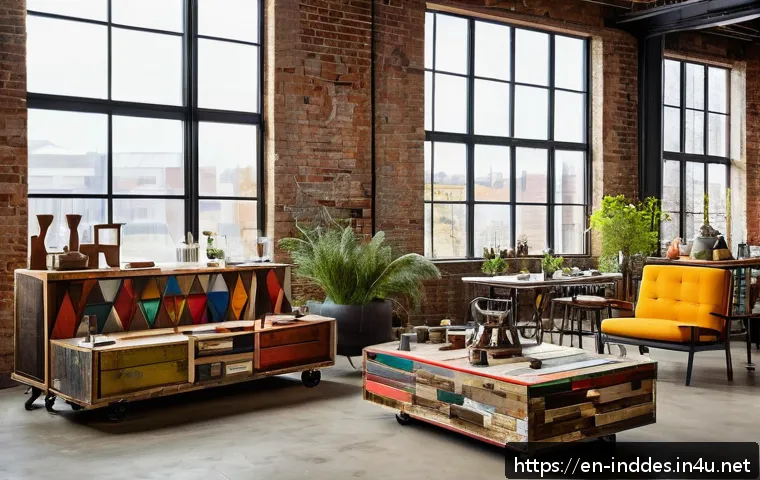
This approach reduces the demand for virgin resources and cuts down energy consumption involved in extraction and processing. For example, some furniture designers are now exclusively using reclaimed timber, which not only adds a unique aesthetic but also drastically lowers their carbon emissions compared to traditional logging.
It’s a win-win: stunning design meets environmental responsibility.
Smart Material Choices Impacting Carbon Footprint
Material selection is perhaps the most critical decision in reducing a product’s carbon footprint. I’ve observed that designers who prioritize low-impact materials—like bamboo, hemp, or natural fibers—can slash emissions significantly.
These materials require less water, fewer chemicals, and minimal processing energy. Furthermore, some companies are experimenting with phase-change materials that regulate temperature, reducing energy needed for heating or cooling in products like clothing or building materials.
It’s inspiring how thoughtful material choices can ripple through the entire supply chain, resulting in tangible environmental benefits.
Integrating Circular Economy Principles into Design
Designing for Disassembly and Reuse
One of the smartest strategies I’ve seen is designing products with their end-of-life in mind. This means creating items that can be easily taken apart, repaired, or upgraded, rather than discarded.
For instance, some electronics manufacturers now design modular phones where you can swap out a broken camera or battery instead of replacing the entire device.
This not only extends product life but dramatically reduces waste and the need for new raw materials. From my perspective, this approach challenges the throwaway culture and promotes a more sustainable consumption pattern.
Closed-Loop Systems in Industrial Design
Adopting closed-loop production systems where waste is minimized or reused is becoming more mainstream. I’ve noticed brands investing in facilities that recycle their own scraps or use byproducts from one process as inputs for another.
This industrial symbiosis can lead to huge savings in energy and raw materials, while cutting down landfill contributions. The beauty of closed-loop systems lies in their scalability, enabling large industries to make meaningful strides in sustainability without sacrificing productivity or quality.
Collaborative Consumption and Shared Ownership Models
The rise of sharing economies and product-as-a-service models is also reshaping design priorities. Instead of designing solely for ownership, many designers now focus on durability and ease of maintenance for items intended for multiple users.
This can be seen in bike-sharing programs or tool libraries, where well-designed, robust products circulate among many people, reducing overall consumption.
From what I’ve seen, this shift is not only environmentally beneficial but also builds stronger community ties around shared resources.
Leveraging Digital Tools to Minimize Waste
3D Printing for Precision and Efficiency
3D printing has been a game changer in reducing material waste during prototyping and production. I’ve personally tested 3D-printed prototypes that use only the exact amount of material needed, cutting down excess by a huge margin compared to traditional manufacturing.
This technology allows for rapid iteration without the wastefulness of trial-and-error machining or molding. Plus, it opens doors for localized manufacturing, reducing carbon emissions from transportation and logistics.
Simulation Software to Optimize Design Choices
Advanced simulation tools help designers predict how a product will perform in real-world conditions, enabling smarter material use and structural efficiency.
I’ve observed that using these digital models prevents overengineering, which often leads to unnecessary material consumption. By simulating stress, thermal behavior, or even lifecycle impacts, designers can optimize products to be as light and resource-efficient as possible without sacrificing quality or safety.
Virtual Collaboration Reducing Travel and Carbon Costs
The ability to collaborate remotely using virtual reality and cloud-based platforms has greatly reduced the need for physical meetings and travel in the design process.
From my experience, this not only speeds up decision-making but also cuts down carbon footprints associated with international business trips and shipping physical prototypes back and forth.
It’s a subtle yet impactful way digital innovation contributes to greener design workflows.
Energy-Conscious Manufacturing Techniques
Low-Energy Production Processes
Manufacturers are increasingly adopting processes that consume less energy, such as cold forging, ultrasonic welding, or solvent-free adhesives. I’ve visited factories where these methods have replaced traditional high-heat or chemical-intensive techniques, leading to significant reductions in energy bills and emissions.
It’s exciting to witness how these innovations maintain product integrity while shrinking environmental impact.
Renewable Energy Integration in Factories
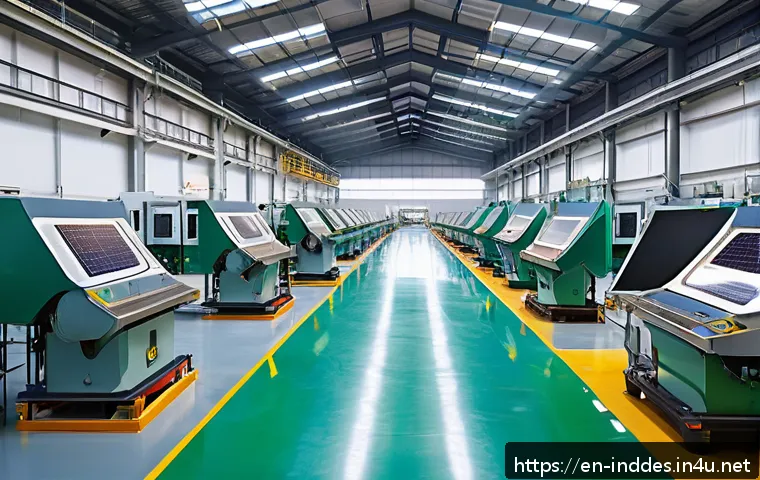
Factories powered by renewable sources like solar, wind, or geothermal energy are becoming more common. I once toured a production facility that installed rooftop solar panels covering over 60% of its energy needs.
This shift not only lowers carbon footprints but often improves operational resilience and cost savings in the long run. It’s proof that green energy integration is not just feasible but financially smart.
Lean Manufacturing to Cut Waste and Emissions
Lean manufacturing principles—focusing on eliminating waste and optimizing processes—are closely tied to sustainability. I’ve worked with teams implementing lean strategies who reported less scrap, fewer defects, and reduced energy use, all contributing to lower emissions.
The continuous improvement mindset helps companies become more agile and eco-friendly simultaneously.
Designing for Longevity and Emotional Connection
Crafting Timeless Aesthetics
Products designed with timeless style tend to stay in use longer, reducing the frequency of replacement and associated carbon emissions. From my observation, when a product resonates emotionally and aesthetically, people cherish it, repair it, and pass it on rather than discard it.
This emotional durability is a powerful but often overlooked factor in sustainable design.
High-Quality Materials for Durability
Choosing materials that withstand wear and tear extends product life dramatically. I’ve owned items made from premium natural fibers and metals that lasted decades, proving that investing upfront in quality pays off environmentally and economically.
This contrasts sharply with disposable fast consumer goods that contribute heavily to waste streams.
Encouraging Repair and Upgradability
Products designed to be easily repaired or upgraded foster a culture of sustainability. For example, some furniture brands provide spare parts and instructions to help customers fix or update their pieces.
I’ve personally found this approach rewarding since it keeps items relevant and functional for much longer, cutting down on unnecessary consumption.
Measuring and Communicating Environmental Impact
Carbon Footprint Labeling for Transparency
Clear labeling that communicates a product’s carbon footprint empowers consumers to make greener choices. I’ve noticed brands adopting simple icons or QR codes linking to detailed impact reports, which helps demystify sustainability claims.
This transparency builds trust and encourages companies to continuously improve their environmental performance.
Life Cycle Assessments Guiding Design Decisions
Performing comprehensive life cycle assessments (LCAs) allows designers to quantify environmental impacts at every stage—from raw material extraction to disposal.
I’ve seen firsthand how LCAs can reveal hidden hotspots, guiding smarter design choices that reduce emissions and waste. This data-driven approach is essential for credible sustainability efforts.
Storytelling that Connects Consumers to Sustainability
Narratives that highlight the environmental journey of a product make sustainability relatable. Brands that share stories about sourcing, production, and community impact tend to foster deeper consumer engagement.
I find that personal stories resonate more than generic green claims, motivating people to support truly sustainable products.
| Design Approach | Material/Process | Environmental Benefit | Example Use Case |
|---|---|---|---|
| Biodegradable Materials | Bioplastics from algae, corn starch | Reduces landfill waste and plastic pollution | Eco-friendly packaging |
| Recycled Components | Reclaimed wood, scrap metal | Decreases raw material extraction and energy use | Furniture, fashion |
| Modular Design | Design for disassembly | Extends product life, reduces e-waste | Modular smartphones, appliances |
| 3D Printing | Additive manufacturing | Minimizes material waste, supports local production | Prototyping, custom parts |
| Renewable Energy Integration | Solar panels, wind turbines | Lowers factory carbon emissions | Manufacturing plants |
| Life Cycle Assessment | Environmental impact analysis | Informs sustainable design decisions | Product development planning |
In Conclusion
Innovations in sustainable materials and design are transforming how we approach product creation, making it possible to reduce environmental impact without sacrificing quality or functionality. By embracing biodegradable options, circular economy principles, and energy-conscious manufacturing, we can build a greener future together. These advances not only benefit the planet but also offer economic and social value. It’s clear that thoughtful material choices and smart design strategies are key to driving lasting change.
Helpful Information to Know
1. Biodegradable materials like bioplastics from natural sources help minimize plastic pollution and reduce landfill waste.
2. Using recycled and upcycled components decreases the demand for new resources and cuts energy consumption in production.
3. Designing products for disassembly supports repair, reuse, and longer lifecycles, reducing overall waste.
4. Digital tools such as 3D printing and simulation software enhance precision and efficiency, reducing material waste and energy use.
5. Integrating renewable energy in manufacturing facilities lowers carbon emissions and can improve operational costs over time.
Key Takeaways
Choosing sustainable materials and design methods is essential for lowering environmental footprints and promoting circularity. Prioritizing durability, repairability, and transparency empowers consumers and encourages responsible consumption. Leveraging technology and renewable energy not only optimizes production but also supports long-term sustainability goals. Ultimately, a combination of innovation, collaboration, and mindful design drives meaningful progress toward a greener tomorrow.
Frequently Asked Questions (FAQ) 📖
Q: How are industrial designers reducing carbon footprints through their work?
A: Industrial designers are adopting sustainable materials like bioplastics, recycled metals, and low-impact composites to minimize environmental harm. Beyond materials, they’re rethinking manufacturing methods—favoring energy-efficient processes and modular designs that extend product life.
From my experience, these changes not only cut emissions but also inspire manufacturers to rethink entire supply chains, creating a ripple effect that goes beyond individual products.
Q: What role does innovation play in making sustainability a practical reality?
A: Innovation is the bridge between sustainability as a concept and sustainability in action. Designers push boundaries by experimenting with new materials, smart technologies, and circular economy principles—like designing products that can be easily disassembled and reused.
I’ve seen firsthand how such inventive solutions transform industries, making eco-friendly options more affordable and accessible to everyday consumers, which ultimately drives widespread adoption.
Q: Can sustainable design really change entire industries, or is it just a trend?
A: Sustainable design is far from a passing trend; it’s reshaping industries at their core. Industries like fashion, automotive, and consumer electronics are integrating eco-conscious design principles because consumers demand it, and regulations are tightening.
From what I’ve observed, companies that embrace sustainable innovation gain competitive advantage, improve brand loyalty, and often reduce costs long-term.
This shift signals a fundamental transformation rather than a fleeting fad.