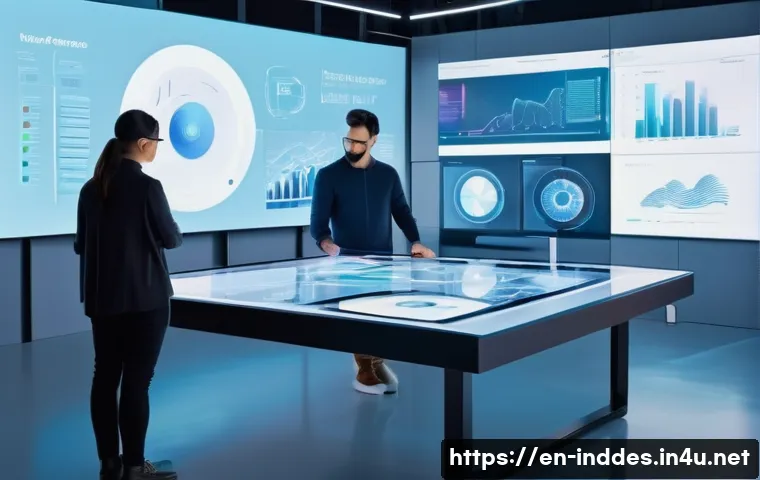
In today’s fast-paced world, where technology reshapes every aspect of our lives, understanding the journey of industrial design offers fascinating insights into how creativity meets functionality.
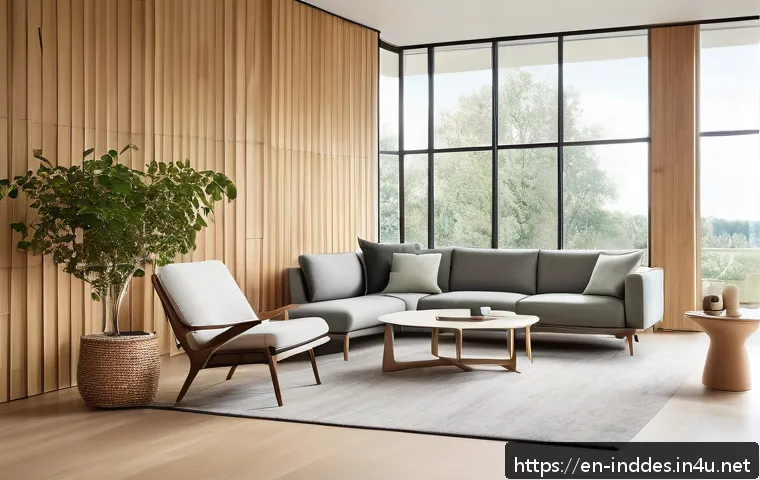
From the meticulous artistry of handcrafted goods to the sophisticated innovation powered by AI and sustainable materials, industrial design has continuously evolved to meet modern demands.
Whether you’re a design enthusiast or simply curious about how everyday products come to life, exploring this evolution reveals the blend of tradition and cutting-edge technology shaping our future.
Stick around as we dive into the milestones that define this dynamic field and uncover what’s next on the horizon.
The Fusion of Craftsmanship and Early Industrial Innovation
The Artisanal Roots of Industrial Design
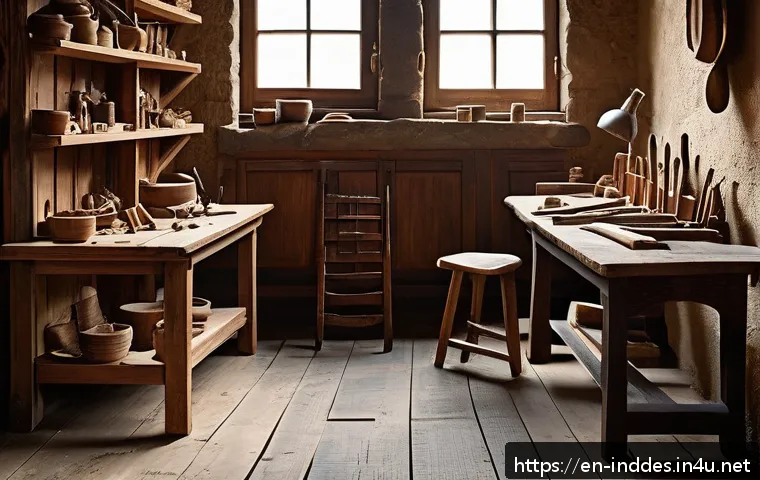
Before machines took center stage, the world of design was deeply rooted in craftsmanship. Artisans poured their heart and soul into every piece, ensuring each item was not only functional but also a work of art.
I remember visiting a local workshop where the craftsman explained how every curve and detail was carefully measured by hand. This human touch created products that felt personal and unique, a stark contrast to today’s mass production lines.
Back then, design wasn’t just about utility; it was about telling a story through form and function. The patience and dedication required fascinated me, and it’s clear that these traditions laid the foundation for what industrial design would become.
The Industrial Revolution: Birth of Mass Production
With the Industrial Revolution came a seismic shift. Suddenly, products could be manufactured on a large scale, making goods more accessible but also challenging designers to balance efficiency with aesthetics.
I’ve often thought about how this era forced designers to rethink their approach — no longer could they afford the luxury of slow, hand-crafted processes.
Instead, they had to innovate with new materials and assembly methods. Factories began churning out everything from furniture to household tools, and design started leaning into standardization.
However, the challenge was to maintain style and usability despite the repetitive processes, which birthed some of the iconic designs we still admire today.
How Early Innovations Still Influence Modern Design
Many principles from this early phase still echo in today’s design world. For example, the emphasis on simplicity and clarity in form, popularized during the industrial boom, remains a cornerstone of good design.
When I look at modern products, I often spot subtle nods to those early innovations—whether it’s the ergonomics of a chair or the intuitive layout of a kitchen gadget.
This blend of functionality with an understated aesthetic continues to inspire designers who want to create pieces that endure both in use and style.
Embracing Technology: From CAD to AI-Driven Design
How Digital Tools Transformed the Designer’s Toolbox
I recall the first time I used computer-aided design (CAD) software — it felt like stepping into a new dimension. Suddenly, the painstaking sketches and physical prototypes could be replaced by highly detailed virtual models.
This not only sped up the process but allowed for unprecedented precision. Designers could experiment with shapes, materials, and structures in ways that were unimaginable before.
It’s fascinating how this digital leap has democratized design, enabling even small studios to produce complex and refined products. The ability to simulate real-world stresses and ergonomics virtually has undoubtedly raised the bar for quality and innovation.
Artificial Intelligence: The New Creative Partner
More recently, AI has started to play a pivotal role in design workflows. From generating initial concept ideas to optimizing material usage, AI tools act like collaborative assistants rather than mere tools.
When I experimented with AI-based generative design, I was amazed at how it suggested shapes and configurations that I hadn’t considered. It’s like having a brainstorming partner who brings fresh perspectives instantly.
This technology is also helping designers address sustainability by recommending eco-friendly materials and efficient manufacturing techniques, which is becoming increasingly crucial in today’s environmentally conscious market.
The Balance Between Human Creativity and Automation
Despite the power of AI, the human touch remains irreplaceable. I’ve seen projects where over-reliance on algorithms led to sterile, uninspired outcomes.
The key is to use technology as an enhancer rather than a dictator of design choices. The most compelling products emerge when designers blend their intuition, experience, and emotional insight with the analytical capabilities of AI.
This synergy creates designs that are not only innovative but also deeply resonant with users.
Designing for Sustainability: Challenges and Breakthroughs
Eco-Friendly Materials Shaping New Aesthetics
One of the most exciting shifts I’ve witnessed is the rise of sustainable materials in industrial design. Gone are the days when plastic and metal ruled without question.
Now, designers experiment with bioplastics, recycled composites, and even materials derived from agricultural waste. In a recent project, I handled a chair made from a blend of bamboo fiber and recycled resin—it wasn’t just eco-friendly; it looked stunning and felt solid.
These materials demand new design languages because their textures and strengths differ from traditional options, pushing creativity into fresh territories.
Design Strategies That Minimize Environmental Impact
Sustainability isn’t only about materials; it’s about the entire lifecycle of a product. I’ve seen designers adopt modular designs that allow easy repair or upgrades, drastically reducing waste.
Another approach gaining traction is designing for disassembly, where products can be taken apart easily for recycling or refurbishment. These strategies require a mindset shift — thinking beyond initial sales to the long-term impact on the planet and consumers.
This approach aligns well with the growing consumer demand for responsible products, creating a win-win for businesses and the environment.
How Consumer Awareness Drives Sustainable Design
In my experience, the rise of conscious consumers has been a powerful catalyst. People want to know where products come from, what they’re made of, and how they affect the environment.
This transparency pushes companies to be honest and innovative in their design choices. I’ve noticed brands that tell a compelling sustainability story through their design often build stronger emotional connections with customers.
This trend is reshaping the market, proving that eco-conscious design is not just a niche but a mainstream expectation.
The Role of Ergonomics and User Experience in Modern Products
Why Comfort and Usability Are Non-Negotiable
From my hands-on experience, products that prioritize ergonomics stand out because they feel intuitive and comfortable, making everyday life easier. It’s amazing how subtle design tweaks, like the curve of a handle or the angle of a seat, can dramatically improve user satisfaction.
Designers now spend considerable time studying human anatomy and behavior, often employing motion-capture technology or user testing labs. This focus on ergonomics is especially important in a world where people spend hours on devices or furniture, and discomfort can lead to long-term health issues.
Integrating User Feedback into the Design Process
One of the most valuable lessons I’ve learned is that real user feedback is gold. Early prototypes tested with actual users reveal insights no theoretical study can predict.
I’ve participated in sessions where users pointed out tiny annoyances that designers initially overlooked. Incorporating this feedback transforms a good product into a great one.
It also fosters a sense of trust and loyalty, as customers feel their voices matter. Modern industrial design increasingly embraces iterative processes, cycling through design, testing, and refinement to perfect the user experience.
Technology Enhancing Usability
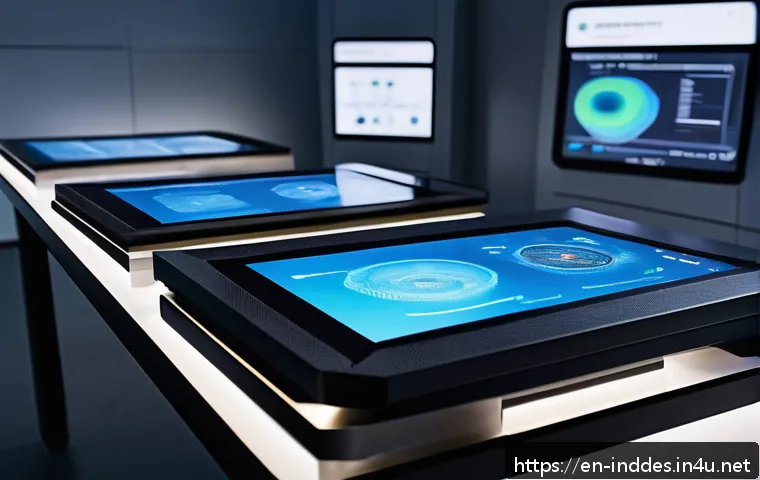
Technology isn’t just about aesthetics or manufacturing; it also enhances how users interact with products. Smart devices with touch controls, voice commands, or adaptive features are redefining usability.
I’ve seen products that adjust settings automatically based on user behavior, creating seamless experiences that feel almost magical. This intersection of ergonomics and technology is where the future of design is headed — products that not only serve a function but also anticipate and adapt to our needs.
Global Influences and Cultural Inspirations in Design
How Diverse Cultures Shape Design Aesthetics
Industrial design doesn’t exist in a vacuum; it’s deeply influenced by the cultural contexts where it develops. I’ve traveled extensively and noticed how regional traditions, materials, and lifestyles inspire unique design solutions.
For instance, Scandinavian design’s minimalism contrasts with the vibrant patterns and textures found in African or Latin American products. This cultural diversity enriches the design world, encouraging cross-pollination of ideas and styles that produce innovative and meaningful products.
Balancing Tradition and Innovation Across Markets
One of the trickiest challenges designers face is appealing to global audiences while respecting local preferences. I recall working on a product aimed at both Western and Asian markets, which required balancing sleek modernity with traditional motifs.
This balancing act demands sensitivity and creativity, ensuring products resonate emotionally without feeling out of place. Successful global design often involves collaboration with local experts and extensive research, highlighting the importance of cultural empathy in the design process.
The Impact of Globalization on Design Trends
Globalization accelerates the spread of design trends but also raises questions about authenticity and sustainability. While it’s exciting to see styles blend and evolve rapidly, it can sometimes lead to homogenization.
From what I’ve observed, the best designers harness globalization as a tool to celebrate diversity rather than erase it. They create hybrid designs that honor multiple influences while offering fresh perspectives, helping products stand out in crowded markets.
Material Innovation: Pushing the Boundaries of Possibility
Exploring Advanced Composites and Smart Materials
Materials science has become a playground for designers eager to push boundaries. I’ve handled prototypes made with carbon fiber composites that offer incredible strength-to-weight ratios, perfect for everything from sports equipment to automotive interiors.
Smart materials that respond to temperature, light, or pressure add another layer of interaction, enabling products to change shape or color based on environmental conditions.
These innovations open up exciting possibilities, making design more dynamic and responsive than ever before.
Challenges of Working with New Materials
Of course, new materials come with their own set of challenges. Their unique properties often require rethinking manufacturing processes and design parameters.
I remember a project where a biodegradable polymer had a shorter lifespan than expected, forcing us to redesign parts to compensate. These hurdles demand close collaboration between designers, engineers, and material scientists to ensure the final product meets performance and durability standards without compromising sustainability goals.
Material Choices and Consumer Perception
Consumers today are more discerning, and material choices can significantly influence how a product is perceived. Luxury items often rely on exotic or premium materials to convey exclusivity, while everyday products benefit from materials that communicate durability and practicality.
I’ve noticed that transparent communication about material origins and benefits can enhance brand trust and customer satisfaction. This trend underscores the growing importance of material storytelling in product design and marketing.
Key Milestones in Industrial Design: A Comparative Overview
| Era | Design Focus | Materials | Technological Influence | Key Example |
|---|---|---|---|---|
| Pre-Industrial | Handcrafted uniqueness, artisanal quality | Wood, metal, natural fibers | Manual tools and techniques | Hand-carved furniture |
| Industrial Revolution | Mass production, standardization | Steel, cast iron, early plastics | Steam engines, assembly lines | Early factory-made household goods |
| Mid-20th Century | Functionality with style, ergonomics | Aluminum, plastics, plywood | Industrial machinery, early CAD | Iconic mid-century modern furniture |
| Digital Era | Precision, customization, user experience | Advanced polymers, composites | CAD, 3D printing, AI | Custom ergonomic devices |
| Present & Future | Sustainability, smart materials, AI collaboration | Bioplastics, recycled materials, smart composites | AI, IoT, sustainable manufacturing | Eco-friendly smart furniture |
Conclusion
Industrial design has evolved through a remarkable journey, blending traditional craftsmanship with cutting-edge technology. This fusion continues to shape products that are not only functional but also meaningful and sustainable. By embracing innovation while honoring human creativity, designers create solutions that resonate deeply with users and stand the test of time. The future of design promises even more exciting possibilities as technology and sustainability intertwine.
Helpful Information
1. Understanding the historical roots of design enhances appreciation for modern products and their craftsmanship.
2. Digital tools like CAD and AI have revolutionized the design process, enabling faster, more precise, and innovative outcomes.
3. Sustainable materials and eco-conscious design strategies are becoming essential in meeting consumer demands and environmental goals.
4. Ergonomics and user feedback are critical in creating comfortable, intuitive, and user-friendly products.
5. Global influences enrich design aesthetics, but balancing tradition with innovation is key to appealing to diverse markets.
Key Takeaways
Industrial design thrives on the balance between human creativity and technological advancement. Maintaining this balance ensures products remain meaningful and functional while pushing boundaries through material innovation and sustainability. Embracing user-centered approaches and cultural diversity further strengthens design relevance in a globalized world. Ultimately, the integration of these elements shapes the future of design, making it both responsible and inspiring.
Frequently Asked Questions (FAQ) 📖
Q: How has industrial design evolved with the introduction of
A: I and sustainable materials? A1: Industrial design has dramatically transformed with AI and sustainable materials. AI now helps designers simulate and optimize products faster, allowing for more innovative and user-friendly solutions.
Sustainable materials push the industry towards eco-friendly choices, reducing environmental impact without sacrificing quality or aesthetics. From my experience, integrating these technologies not only speeds up the creative process but also aligns products with modern consumers’ values, making design both smarter and greener.
Q: What role does traditional craftsmanship still play in modern industrial design?
A: Despite the surge in technology, traditional craftsmanship remains vital in industrial design. It grounds designs in authenticity and attention to detail that machines often can’t replicate.
For instance, handcrafted elements add unique textures and character, offering a personal touch that resonates emotionally with users. I’ve noticed that combining this artisanal skill with modern tools creates products that feel both timeless and innovative, striking a perfect balance between heritage and progress.
Q: What are the key milestones in the history of industrial design that shaped its current landscape?
A: Key milestones include the Industrial Revolution, which introduced mass production; the Bauhaus movement, emphasizing form and function; and the digital revolution, bringing CAD and 3D printing into the fold.
More recently, the rise of user-centered design and sustainability has redefined priorities. Reflecting on these shifts helps me appreciate how each era built on the last, continually pushing industrial design toward greater creativity, efficiency, and responsibility.