Good appliance design is not just styling; it connects user needs, ergonomics, materials, controls, engineering constraints, and manufacturing realities.
Professional industrial-design support is most useful when a concept needs new form development, user testing, CAD work, prototype validation, or manufacturing-ready decisions rather than a simple visual refresh.
A refreshed color, finish, or front-panel graphic may be handled internally when the product architecture is already proven. For a new appliance, early design choices can affect prototype work, tooling, assembly, cleaning, durability, and perceived quality.
Comparing product design services, CAD capabilities, and prototype manufacturing support is sensible before committing to a development direction.
At a Glance
- Industrial design helps turn an appliance idea into a product direction that is usable, visually coherent, and realistic to manufacture.
- Early sketches, CAD models, and prototype testing can expose problems with controls, grip, cleaning, layout, and assembly before tooling begins.
- A basic styling refresh may need limited support, while a new product platform usually benefits from coordinated design, engineering, and manufacturing review.
| Option | Typical Scope | Communication | Prototype Support | Budget Predictability |
|---|---|---|---|---|
| In-house team | Brand continuity, product requirements, and ongoing decisions | Direct access to internal engineering and marketing teams | Depends on internal CAD, workshop, and supplier resources | Clearer when roles and available capacity are already defined |
| Freelance industrial designer | Focused concept work, styling, CAD, or a defined design task | Usually direct, but requires a well-prepared brief | May coordinate with external prototype manufacturing providers | Often easier to define for a narrow deliverable |
| Product design agency | Research, concept development, usability, CAD, and broader project coordination | Structured reviews with multiple disciplines where available | May support prototype planning and manufacturer handoff | Depends on scope, deliverables, testing, and support level |
What Good Appliance Design Actually Solves
The balance between appearance, usability, engineering, and manufacturability
A strong appliance concept makes the product look intentional without treating appearance as a separate layer. Industrial design typically brings together user needs, aesthetics, ergonomics, materials, manufacturing constraints, and brand requirements. A clean silhouette matters, but so do the spaces a user must grip, the visibility of labels, the location of seams, and the way parts will be assembled.
The production-ready direction is not necessarily the most dramatic rendering. It is the direction that can move through engineering, testing, supplier review, and manufacturing without losing the main user benefit.
A quick answer: when industrial design adds measurable value
Industrial design is especially useful when a team is creating a new appliance category, changing how people interact with an existing product, or preparing a concept for prototype and manufacturing review. It can also be valuable when poor comfort, unclear controls, difficult cleaning, or inconsistent brand appearance are holding back an otherwise functional product.
A limited styling refresh may be enough when the internal layout, controls, materials, and manufacturing process are already suitable and only the exterior presentation needs updating.
Common signs that an appliance concept needs redesign
Warning signs include controls that require explanation, a handle that looks better than it feels, exposed areas that are hard to clean, or a component layout that leaves little room for assembly. Another sign is when a CAD rendering looks convincing but no one has reviewed tolerances, part count, tooling implications, or the practical location of internal components.
Comparing Design Priorities for Different Appliance Types
Kitchen appliances: cleaning, heat, storage, and control visibility
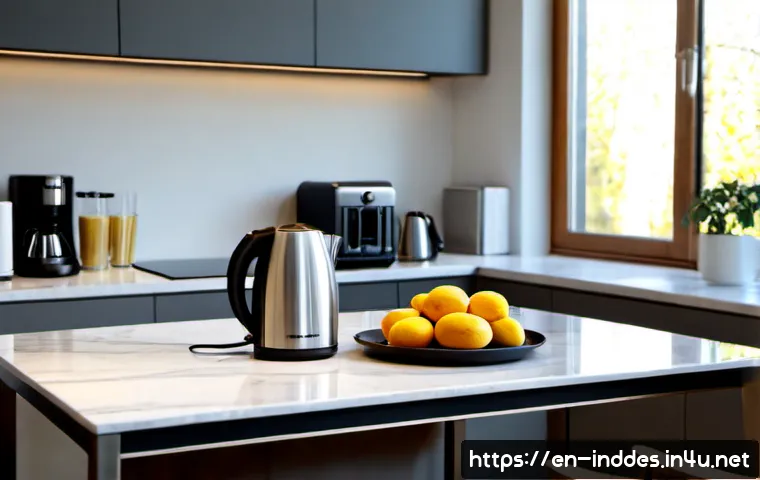
Kitchen products often need attention to heat, moisture, cleaning, storage, and control visibility. Surface transitions, openings, button placement, and material choices can influence how easily a product is wiped down or understood at a glance. A visually minimal interface should still provide readable labels and clear feedback during use.
Home-care products: grip, weight, noise, and repeat-use comfort
For home-care appliances, repeated movement can make grip comfort, weight distribution, and control placement important. A product may be technically functional while still feeling awkward after repeated use. Prototype testing can reveal whether users struggle to hold, carry, activate, empty, or clean the product in ways that a rendering does not show.
Smart appliances: physical controls, app interaction, and feedback cues
Smart appliances need a clear relationship between physical controls and app-based interaction. A user should not have to guess whether a command was received or whether the appliance is in the expected state. Consider tactile feedback, visual contrast, readable labels, and logical control placement, alongside digital feedback cues.
Design Choices That Affect Cost and Production Feasibility
Materials, finishes, and perceived product quality
Materials and finishes influence perceived quality, scratch resistance, recyclability, production methods, and cost. A finish that looks premium in a concept image may respond differently to fingerprints, cleaning, daily wear, or manufacturing variation. Evaluate the intended user environment before selecting a surface treatment solely for appearance.
Part count, assembly complexity, and tooling implications
More parts can create more assembly steps and more interfaces to manage. Design-for-manufacturing reviews can identify concerns involving assembly, tolerances, part count, and tooling before late-stage changes become more disruptive. A design should also be reviewed with the likely manufacturing process in mind rather than assuming every visual feature transfers directly to production.
Prototype stages and what to validate before production
Early sketches and CAD models help evaluate form, component layout, and manufacturing feasibility before tooling. Prototypes add another layer: they can reveal unclear controls, poor grip comfort, difficult cleaning, or unexpected interactions between features. The right validation target depends on the project stage, so a prototype brief should state whether the team is checking form, fit, usability, assembly, or another requirement.
A Practical Appliance Design Workflow
User research, product requirements, and competitive review
Start with the user problem, intended environment, key tasks, and brand position. Define product requirements before asking for concepts or a design quote. A competitive review can help clarify what users already recognize, where products create friction, and which design decisions are worth differentiating.
Concept development, CAD modeling, and engineering handoff
Concept development narrows broad ideas into directions that can be assessed. CAD software supports more detailed decisions about form, component layout, clearances, and practical handoff. The engineering handoff should not be treated as a final reveal; early collaboration helps prevent a visually attractive concept from becoming difficult to manufacture.

Usability testing and design-for-manufacturing review
Usability testing is where assumptions meet real handling. Test participants may expose confusing controls, poor visual contrast, excessive force requirements, or cleaning issues. A later design-for-manufacturing review should examine how the selected direction affects assembly, tolerances, tooling, and supplier execution.
Avoidable Mistakes in Consumer Appliance Projects
Designing controls that look clean but confuse users
Minimal controls can be effective, but only when the product still communicates what to press, turn, or adjust. Readable labels, tactile feedback, clear placement, and suitable contrast can support accessibility as well as everyday convenience.
Choosing finishes without testing wear, fingerprints, or cleaning
A finish should be reviewed in the context of normal use. Consider scratch resistance, cleaning expectations, visible fingerprints, and the intended manufacturing method. The appearance of a material sample alone is not enough to confirm a production decision.
Waiting too long to involve engineers and manufacturing partners
Late involvement can create avoidable revisions when component layout, assembly, tolerances, or tooling requirements conflict with the concept. Bringing engineering and manufacturing partners into the review process earlier does not eliminate design freedom; it helps the team make informed trade-offs sooner.
Choosing Design Support and Comparing Project Options
When an in-house team, freelancer, or agency may fit best
An in-house team may fit organizations with established product knowledge and ongoing development needs. A freelance industrial designer can suit a tightly defined styling, CAD, or concept task. A product design agency may be a better fit when a project needs several connected capabilities, such as research, usability thinking, concept work, prototype planning, and manufacturing support.
Questions to ask before requesting a design or prototype quote
Ask what deliverables are included, who owns CAD development, how revisions are handled, and whether usability testing or supplier communication is part of the scope. Also clarify what the provider needs from your team: product requirements, component information, brand guidelines, target market, prototype goals, and likely manufacturing process.
Decision checklist: scope, deliverables, testing, and manufacturing support
Compare providers based on the actual decision stage, not only portfolio style. A concept-focused engagement and a manufacturing-support engagement are different services. Request a scope that makes the expected outputs, review points, CAD files, prototype role, and handoff responsibilities clear.
Selection Criteria and Comparison Summary
Before choosing design support, check the maturity of the product requirements, the level of CAD and prototype work needed, the need for usability testing, manufacturer involvement, and the expected production handoff. Compare whether each provider can support the specific stage you are entering rather than paying for services that do not match the project. For current scope details, compare CAD, prototyping, and manufacturing-support providers on their own service pages before requesting a quote.
In Closing
Appliance design works best when usability, visual character, materials, and manufacturing decisions develop together. Sketches and renderings are useful starting points, but they do not replace prototype testing or supplier review. A clear brief and early cross-functional feedback can reduce vague decisions and late changes. The goal is not simply an attractive appliance, but a direction that people can understand, use, clean, and produce.
Useful Information to Keep in Mind
1. CAD models help teams assess form and layout before tooling begins.
2. Prototype testing can expose comfort and control issues that renderings miss.
3. Accessibility may involve label readability, contrast, tactile feedback, control placement, and required force.
4. Material and finish choices affect both perceived quality and production decisions.
Important Considerations
Design-service fees, prototype costs, tooling prices, and timelines vary by complexity, region, supplier, order volume, and compliance needs. Safety, electrical, energy-efficiency, and labeling requirements also depend on the appliance category and sales market. No appliance concept should be assumed manufacturable or commercially viable without engineering, testing, and supplier review.
Frequently Asked Questions
Q1. What is the difference between industrial design and appliance engineering?
A1. Industrial design typically focuses on user needs, appearance, ergonomics, materials, interaction, and brand expression. Appliance engineering addresses the technical systems and requirements needed for the product to function and meet applicable development needs. The two disciplines should inform each other during product development.
Q2. How much does it cost to hire an industrial designer for a new appliance?
A2. Costs vary based on product complexity, project scope, region, prototype needs, supplier involvement, compliance requirements, and requested deliverables. A useful quote request defines the product requirements, expected CAD work, prototype goals, testing needs, and manufacturing-support expectations.
Q3. Should a startup use a freelance designer or a product design agency for an appliance project?
A3. A freelancer may fit a focused and clearly defined task, such as concept development or CAD support. An agency may fit a project needing broader coordination across research, usability, prototyping, engineering handoff, and manufacturing support. The best choice depends on the team’s internal capabilities and the stage of the product.