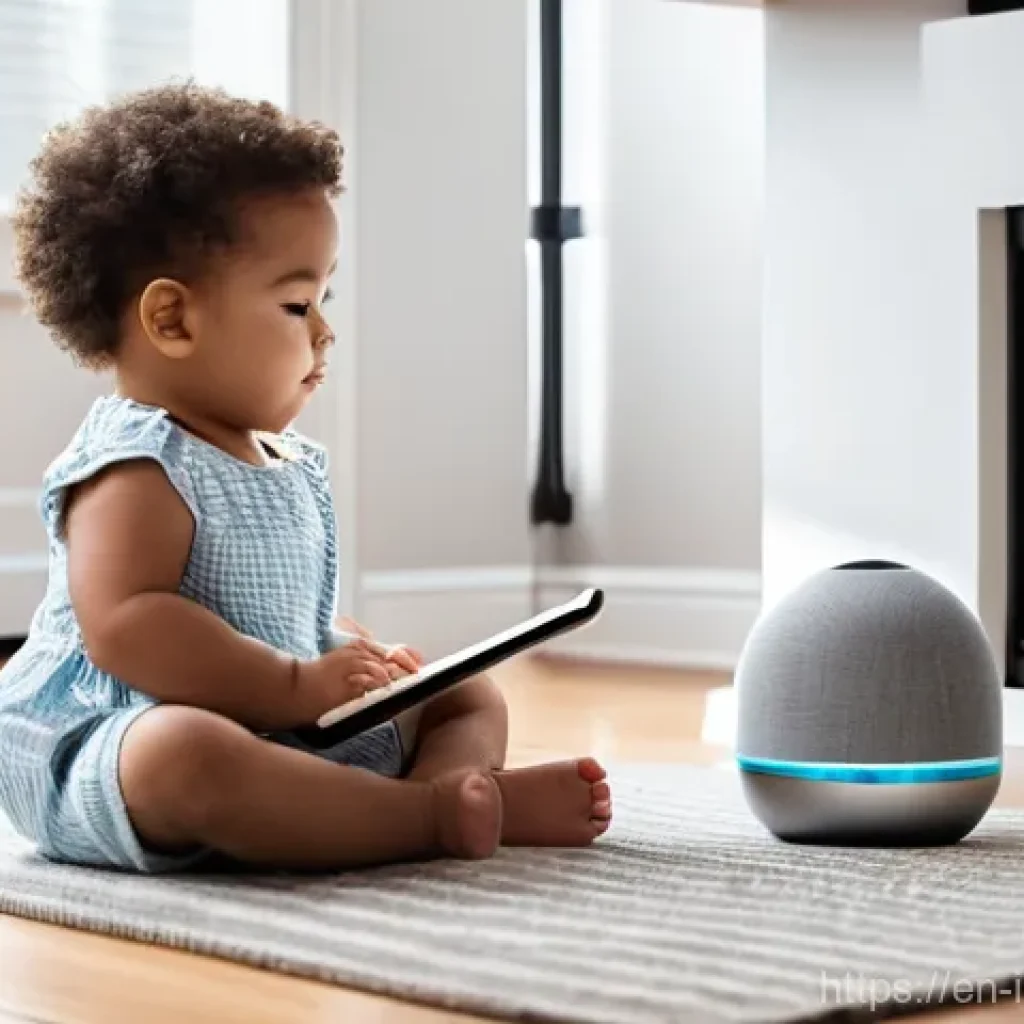
Have you ever stopped to think about how much “smarter” our everyday objects have become? It’s genuinely mind-blowing! Just a few years ago, the idea of your coffee maker starting your brew before you even got out of bed, or your thermostat learning your preferences without you touching it, felt like science fiction.
But now, it’s just… life. We’re living in an era where our gadgets aren’t just tools; they’re becoming intuitive companions, almost like they can read our minds!
This isn’t magic, though. It’s the incredible world of smart product design, a field exploding with innovation that’s shaping how we interact with everything around us.
From what I’ve personally seen and experienced, the focus is shifting rapidly towards truly seamless user experiences, driven by cutting-edge AI and the ever-expanding Internet of Things.
It’s not just about adding a fancy app anymore; it’s about creating products that anticipate your needs, blend effortlessly into your routine, and even contribute to a more sustainable future.
If you’ve been curious about what makes these intelligent creations tick, or how designers are crafting the next generation of must-have devices, then you’re in for a treat.
Let’s find out exactly what’s behind this fascinating evolution in the full article below!
The Magic Behind the Scenes: How Our Gadgets Got So Clever

It’s truly wild to think about how far we’ve come with our everyday tech. Remember when a “smart” device just meant it had a digital clock? Now, it feels like everything from our refrigerators to our doorbells has a mind of its own, learning our habits, anticipating our needs, and making life just a little bit smoother.
When I first started diving into this space, I was fascinated by the sheer ingenuity. It’s not just about slapping a Wi-Fi chip into an appliance anymore; it’s about deeply understanding human behavior and then engineering solutions that feel almost invisible.
I’ve personally experienced the shift from clunky, app-dependent gadgets to systems that just *work* without much thought. Imagine your smart speaker suggesting a playlist based on your mood, or your lighting adjusting automatically as evening sets in, creating that perfect cozy ambiance without you lifting a finger.
This level of integration and intuitive response is the real game-changer. It’s what transforms a simple device into an indispensable part of your daily routine, making you wonder how you ever lived without it.
The magic, as I see it, lies in the blend of powerful artificial intelligence with seamless hardware and software design, constantly evolving to serve us better.
It’s a testament to the brilliant minds working tirelessly behind the curtain to sculpt our connected futures.
From Clunky Apps to Invisible Integrations
Honestly, if I had a dollar for every time I downloaded a “smart home” app that was more frustrating than functional a few years back, I’d be retired on a private island!
It used to be that you needed a separate app for your lights, another for your thermostat, and yet another for your security camera. It was a digital labyrinth, making the “smart” experience feel anything but.
But what I’ve noticed, firsthand, is a radical shift towards true integration. Now, platforms like Apple HomeKit, Google Home, and Amazon Alexa are acting as central hubs, allowing devices from different manufacturers to communicate and cooperate harmoniously.
My personal setup, for example, allows my smart lights to dim automatically when my TV turns on for a movie night, and the thermostat nudges the temperature just right as I leave for work, all managed through a single voice command or routine.
This move towards a unified ecosystem is perhaps the most significant stride in smart product design, creating an effortless user experience that was once just a pipe dream.
It’s about designing convenience into the very fabric of our lives, minimizing friction, and maximizing comfort. The days of app overload are thankfully fading, replaced by a seamless, interconnected reality where our devices work together, not against each other.
The Art of Anticipation: Predictive Personalization
What really blows my mind is how these smart devices are learning to anticipate our needs. It’s one thing to follow a command; it’s another entirely to predict what we want before we even articulate it.
I remember the first time my smart thermostat actually *learned* my schedule and adjusted temperatures based on when I usually got home, without me having to program a single thing after the initial setup.
It felt like it was reading my mind! This isn’t just about simple scheduling anymore; it’s about sophisticated algorithms analyzing patterns in our usage data – what time we wake up, when we leave, our preferred lighting for reading, even our favorite coffee brew time.
This predictive personalization is where AI truly shines, moving beyond reactive responses to proactive assistance. It means your smart fridge might suggest recipes based on what ingredients you have and your past cooking preferences, or your smart speaker might offer traffic updates for your morning commute before you even ask.
From my experience, the best smart products are the ones that fade into the background, operating almost autonomously, making our lives easier in ways we didn’t even know we needed.
This foresight transforms ordinary interactions into truly magical moments, cementing the feeling that these gadgets are more than just tools – they’re genuine companions.
Beyond the Gizmo: What Makes a Product Truly Intelligent?
When we talk about “intelligent products,” it’s easy to get caught up in the flashy features or the latest tech specs. But having spent years exploring this space, I’ve come to understand that true intelligence in product design goes far beyond mere functionality.
It’s about a holistic approach that considers every touchpoint, from the moment you unbox a device to how it integrates into the fabric of your daily existence, evolving with your needs.
It’s not just about processing power or fancy sensors; it’s about the emotional connection, the ease of use, and the reliability that builds trust over time.
I’ve seen countless products with impressive specs fall flat because they lacked that intuitive spark, that human-centric design philosophy. Conversely, some of the most beloved smart devices aren’t necessarily the most technologically advanced on paper, but they excel at providing a seamless, delightful experience that just makes sense.
This means investing heavily in user experience research, understanding cognitive psychology, and iterating tirelessly based on real-world feedback. It’s a painstaking process, but the result is a product that feels less like a machine and more like an extension of yourself, capable of making your life genuinely better.
This dedication to thoughtful design, rather than just raw power, is what separates the truly intelligent from the merely “smart.”
The Unsung Heroes: Sensors, AI, and Connectivity
At the heart of every truly smart product is a sophisticated interplay of hardware and software, a symphony conducted by unsung heroes like advanced sensors, potent AI algorithms, and robust connectivity.
From my own tinkering and research, I’ve discovered that these elements are the bedrock upon which all intelligence is built. Imagine a tiny environmental sensor in your smart home system that constantly monitors air quality, humidity, and temperature, silently feeding data to an AI engine.
This engine then processes vast amounts of information, learning your preferences and the dynamics of your home, allowing it to trigger your air purifier or adjust your thermostat with pinpoint accuracy.
This continuous loop of data collection, analysis, and action is what makes these products so adaptive. And none of it would be possible without seamless connectivity – be it Wi-Fi, Bluetooth, or cellular – ensuring that all these components can talk to each other and to the cloud, forming a coherent, responsive ecosystem.
It’s a complex dance of technology, often invisible to the end-user, but absolutely crucial for delivering that fluid, intelligent experience we’ve come to expect.
Without these foundational technologies working in perfect harmony, a smart product is simply a collection of parts, not a truly intelligent companion.
When Aesthetics Meet Ingenuity: The Look and Feel
Let’s be real, nobody wants an eyesore in their living room, no matter how “smart” it is. One of the biggest trends I’ve observed, and something I deeply appreciate, is the fusion of cutting-edge technology with exquisite industrial design.
It’s not enough for a device to be intelligent; it also has to look good and feel good in your hand. Designers are increasingly focused on creating products that blend seamlessly into our homes, often taking on minimalist forms, using premium materials, and featuring intuitive interfaces that are a joy to interact with.
Think about the sleek lines of a modern smart speaker that doubles as a piece of art, or a beautifully crafted smart thermostat that feels satisfyingly tactile.
This attention to aesthetics is vital because it elevates a functional gadget into a desirable object, enhancing our overall living space rather than cluttering it.
I’ve found that when a product looks great, you’re more likely to integrate it fully into your life and appreciate its intelligence even more. This thoughtful combination of form and function speaks volumes about the maturity of smart product design, where beauty and brains finally go hand-in-hand, making our homes not just smarter, but also more elegant and inviting.
Your Privacy, Your Control: Building Trust in Smart Tech
It’s no secret that as our devices get smarter, they also gather more data about us. And let’s be honest, that can feel a little unnerving at times. I’ve personally grappled with the balance between convenience and privacy when integrating new smart gadgets into my life.
It’s a genuine concern that designers and manufacturers are finally taking seriously, moving beyond just collecting data to actively safeguarding it and empowering users with greater control.
The conversation has shifted from “can we collect this data?” to “how can we use this data responsibly and transparently?” This means clearer privacy policies, opt-in features for data sharing, and robust encryption protocols that make me feel a lot more comfortable with sharing aspects of my daily routine with my devices.
For instance, I’ve noticed a significant improvement in how smart home hubs explicitly ask for permission before accessing my location or microphone, and how easy it is to review and delete my data history.
This focus on user agency is paramount for building lasting trust, ensuring that the incredible benefits of smart tech don’t come at the cost of our peace of mind.
Without trust, even the most innovative products will struggle to find a permanent place in our homes and hearts.
Demystifying Data: Transparency is Key
One of my biggest pet peeves used to be opaque privacy policies that felt like they were written in a foreign language. Honestly, who has the time to wade through pages of legalese just to figure out what data your new smart doorbell is collecting?
I’ve been thrilled to see a growing trend towards much greater transparency from smart product companies. They’re making it easier to understand, in plain language, exactly what information is being gathered, why it’s necessary, and how it’s being used to improve our experience.
Many devices now offer detailed dashboards where you can see your data, manage permissions, and even delete information if you choose. This level of clarity is incredibly empowering.
For example, my smart fitness tracker now clearly shows me what biometric data it collects, how it’s used to calculate my activity levels, and gives me the option to share or not share certain metrics with third-party apps.
This commitment to openness is a huge step forward, transforming the relationship between user and technology from one of passive acceptance to active participation, fostering a sense of control that is absolutely essential in our increasingly connected world.
Empowering Users: Granular Control Over Your Digital Footprint
True privacy isn’t just about transparency; it’s about having granular control over your digital footprint. I’ve personally become a huge advocate for products that give me fine-tuned settings to manage my data.
It’s not a one-size-fits-all situation; what one person is comfortable sharing, another might want to keep completely private. Modern smart product design is reflecting this nuanced understanding by offering customizable privacy settings.
This means you can often decide which features of a device have access to your microphone, camera, or location, and for how long. For instance, some smart speakers now have physical mute buttons that electronically disconnect the microphone, giving you a clear visual and tactile assurance of privacy.
Others allow you to set specific times for data collection or even process certain data locally on the device rather than sending it to the cloud. This emphasis on user empowerment, allowing us to tailor our privacy preferences to our individual comfort levels, is a testament to the evolving maturity of the industry.
It’s about designing products that respect our autonomy and give us the tools to navigate the smart world on our own terms, making the experience truly intelligent and genuinely personal.
Beyond the Gadget: Smart Tech’s Impact on Our World
It’s incredible to witness how smart product design is expanding its reach far beyond the confines of our homes, truly making an impact on the broader world.
What started with individual convenience is now scaling up to address significant global challenges, from improving energy efficiency to enhancing accessibility for people with disabilities.
I’ve been particularly inspired by innovations that aren’t just about personal luxury but about collective good. For years, I’ve heard about the potential of technology to change lives, but with smart design principles being applied to urban planning, healthcare, and environmental conservation, we’re seeing that potential become a tangible reality.
Think about smart cities that optimize traffic flow and reduce pollution through intelligent sensor networks, or wearable health devices that provide real-time monitoring and alert medical professionals to critical situations.
This expansion into areas that genuinely improve quality of life for a wider demographic is what truly excites me about the future of intelligent design.
It’s a powerful reminder that technology, when thoughtfully conceived and ethically implemented, has the capacity to be a force for profound positive change on a global scale, moving us towards a more connected, efficient, and equitable future for everyone.
Smart Cities: Reimagining Urban Living
Having traveled to several cities that are embracing smart infrastructure, I’ve seen firsthand how intelligently designed systems can transform urban living.
It’s like the entire city is waking up and learning, adapting to the needs of its inhabitants in real-time. We’re talking about things like smart streetlights that dim or brighten based on ambient light and pedestrian traffic, saving energy and increasing safety.
Or waste management systems that optimize collection routes based on sensor data from overflowing bins, leading to cleaner streets and reduced emissions.
In some places, intelligent traffic management systems use AI to analyze traffic patterns and adjust signal timings dynamically, dramatically cutting down on congestion and commute times.
My personal observation is that these innovations aren’t just about efficiency; they’re about creating more livable, sustainable, and responsive environments.
It’s about using technology to build communities where resources are managed wisely, where daily commutes are less stressful, and where public spaces are safer and more enjoyable.
The concept of a “smart city” is truly a testament to how human-centric design, when applied at scale, can elevate the collective experience of millions, shaping a future where urban environments are not just functional, but genuinely thrive.
Empowering Lives: Accessibility Through Intelligent Design

One aspect of smart product design that resonates deeply with me is its incredible potential to enhance accessibility for individuals with disabilities.
It’s a field where intelligent design isn’t just a convenience, but a profound enabler of independence and inclusion. I’ve seen some truly innovative solutions that leverage AI and IoT to break down barriers that once seemed insurmountable.
For example, smart home systems can be voice-controlled or operated through simple gestures, allowing individuals with limited mobility to control lighting, climate, and entertainment with ease.
There are also smart devices that can translate sign language into speech in real-time, or provide tactile feedback for visually impaired users to navigate their surroundings.
My own experience has shown me that when designers actively consider diverse user needs from the outset, the resulting products are not only more inclusive but often more intuitive for everyone.
It’s about creating technology that adapts to the person, rather than forcing the person to adapt to the technology. This commitment to universal design principles ensures that the benefits of our increasingly smart world are accessible to all, fostering a more equitable society where technology serves as a bridge, not a barrier, for every individual.
The Green Revolution: How Smart Products are Fueling Sustainability
Honestly, for a long time, all the talk about new gadgets felt like it was just adding to our consumption habits. But what’s really shifted my perspective lately is how smart product design is becoming a powerful engine for sustainability.
It’s not just about energy-efficient light bulbs anymore; it’s about a holistic approach where intelligence is designed to minimize environmental impact across the entire lifecycle of a product.
From reducing waste to optimizing energy consumption, and even extending product lifespans, smart tech is proving to be a game-changer in our collective fight for a greener planet.
I’ve been genuinely impressed by companies that are not only focusing on making their devices smarter but also making them “greener” from the ground up, considering everything from the materials they use to how easily a product can be repaired or recycled.
It’s a crucial evolution in design thinking, recognizing that true innovation must go hand-in-hand with environmental responsibility. This isn’t just a marketing ploy; it’s a fundamental reimagining of how we create and consume, leading to a future where our intelligent devices don’t just serve us, but also serve the planet.
| Smart Product Category | Key Sustainability Benefit | Example |
|---|---|---|
| Smart Thermostats | Optimized Energy Consumption | Learns user preferences and adjusts heating/cooling to reduce energy waste. |
| Smart Lighting Systems | Reduced Electricity Use | Automates light dimming/off based on occupancy and natural light levels. |
| Smart Appliances | Resource Efficiency | Dishwashers/washing machines that use optimal water/energy cycles; fridges that monitor food expiry. |
| Smart Irrigation Systems | Water Conservation | Sensors detect soil moisture and weather forecasts to water only when needed. |
| Smart Plugs/Power Strips | Eliminates Phantom Load | Turns off power to idle devices, preventing “vampire” energy drain. |
Energy Efficiency: More Than Just Turning Things Off
When I first started thinking about smart products and sustainability, my mind immediately went to simply turning off lights. But I’ve learned that smart product design has evolved far beyond that simple concept, embracing sophisticated strategies for true energy efficiency.
It’s about dynamic management, not just basic control. Take smart thermostats, for example. They don’t just let you schedule temperatures; they learn your daily patterns, understand the thermal properties of your home, and even integrate with local weather forecasts to pre-heat or pre-cool your space optimally, reducing peak energy demand.
My own energy bills have seen a noticeable decrease since I adopted a smart system that understands when I’m home, when I’m away, and adjusts accordingly, without me having to constantly fuss with settings.
Beyond heating and cooling, smart lighting systems can sense natural light levels and occupancy, adjusting brightness automatically. Even smart power strips can detect when devices are in standby mode and cut power completely, eliminating that sneaky “phantom load” that drains energy even when gadgets aren’t in use.
This intelligent, proactive approach to energy management is a cornerstone of sustainable design, allowing us to enjoy comfort and convenience while significantly lessening our environmental footprint.
Circularity and Longevity: Designing for a Sustainable Future
Beyond just immediate energy savings, a truly exciting frontier in smart product design for sustainability is the focus on circularity and longevity. For too long, consumer electronics have followed a linear “take, make, dispose” model, but I’m seeing a genuine effort to shift towards products that are designed to last, be repaired, and eventually, be recycled or repurposed.
This means designing devices with modular components that can be easily upgraded or replaced, rather than forcing you to buy an entirely new unit when one part fails.
It also involves using more durable, responsibly sourced materials and ensuring that devices receive software updates for a much longer period, extending their useful life.
My personal belief is that the most sustainable product is often the one you don’t have to replace as frequently. Companies are also exploring innovative take-back programs and partnerships with recyclers to ensure that when a smart device does reach the end of its life, its valuable components are recovered rather than ending up in a landfill.
This holistic approach to product lifecycle, from design to disposal, is not just good for the planet; it’s also a smart business decision, building customer loyalty and demonstrating a true commitment to a sustainable, circular economy.
It’s a challenging but deeply rewarding path that promises a much greener future for our intelligent gadgets.
The Future is Now: Peeking into Tomorrow’s Smart World
It’s thrilling to think about what comes next. Just when you think smart products have reached their peak, designers and innovators push the boundaries even further.
What I’m seeing on the horizon isn’t just incremental improvements, but a leap towards a world where our environments are truly adaptive, intuitive, and deeply personalized.
We’re moving beyond individual smart gadgets to entire intelligent ecosystems that understand us on a profound level, anticipating our needs almost before we do.
Imagine homes that actively monitor your health, adjusting lighting and temperature to optimize your sleep cycle, or smart environments that dynamically reconfigure themselves based on who is present and what activities they’re engaged in.
It’s less about pressing buttons or even giving voice commands, and more about living in a responsive, supportive world that effortlessly caters to our well-being and productivity.
From my vantage point, the future of smart product design is less about standalone devices and more about creating truly ambient intelligence that seamlessly integrates into every facet of our lives, making our future not just smarter, but profoundly more connected and harmonious.
This is where the real magic happens, and frankly, I can’t wait to see it unfold.
Ambient Intelligence: When Your Home Knows You Best
The concept of “ambient intelligence” is what truly captures my imagination when I think about the future of smart product design. It’s the idea that our living and working spaces will become so intelligent, so contextually aware, that they can anticipate and respond to our needs without us even having to issue a command.
Imagine walking into a room, and the lighting, temperature, and even the background music subtly adjust to your mood or the task you’re about to undertake, all based on silent cues from biometric sensors, wearable tech, and environmental detectors.
I’ve heard whispers and seen early prototypes where homes are learning to recognize individual family members, understanding their preferences, and creating truly personalized environments for each person.
This isn’t about being constantly monitored in an intrusive way; it’s about a seamless, almost symbiotic relationship with our surroundings, where our environment acts as a proactive assistant, enhancing comfort, productivity, and well-being.
It’s a leap from reactive smart devices to truly proactive, empathetic spaces that learn, adapt, and evolve with us, making our homes not just intelligent, but genuinely intuitive sanctuaries tailored to our every desire.
The Ethical Horizon: Designing for Good
As we hurtle towards a future of ever-smarter products and environments, the ethical considerations become more paramount than ever. It’s something I think about a lot, and I’m heartened to see that designers and engineers are increasingly grappling with these complex questions.
The future of smart product design isn’t just about what *can* be built, but what *should* be built, and how it impacts society. This means proactively addressing issues like data bias in AI algorithms, ensuring equitable access to advanced technologies, and designing for maximum privacy and security from the ground up.
It’s about building trust, creating safeguards, and always putting human well-being at the forefront of innovation. For instance, designing AI that can detect and prevent harmful content, or ensuring that smart healthcare devices are accessible and affordable for all demographics.
My hope, and what I believe is the right path forward, is that the industry continues to embrace a strong ethical framework, ensuring that as our products become more intelligent, they also become more responsible, just, and ultimately, beneficial for all of humanity.
This commitment to designing for good is what will truly define the next generation of smart products and solidify their place in a better future.
Wrapping Things Up
Honestly, reflecting on this journey through the world of smart product design, I’m just brimming with excitement for what’s ahead. It’s been an incredible ride seeing how these gadgets have evolved from simple conveniences to truly intelligent companions that genuinely enhance our daily lives. From the initial wonder of voice commands to the seamless integration of entire ecosystems, and now, the profound impact on sustainability and accessibility – it’s clear we’re only scratching the surface. What truly resonates with me is how technology, when designed with empathy and foresight, isn’t just about bells and whistles; it’s about creating a more intuitive, connected, and ultimately, better world for all of us. I truly believe the future of smart tech lies in its ability to fade into the background, working tirelessly to support our well-being and productivity without us even realizing it’s there, making life effortlessly richer and more fulfilling.
Handy Tips for Navigating the Smart World
1. Prioritize Ecosystem Compatibility: When you’re just starting or looking to expand your smart home, my absolute top tip is to think about the ecosystem first. I’ve made the mistake of buying disparate devices that don’t play well together, and trust me, it’s a headache you want to avoid! Platforms like Apple HomeKit, Google Home, or Amazon Alexa can be your best friend here. Committing to one central hub, or at least ensuring your new gadgets explicitly state compatibility with your chosen system, will save you endless frustration. It ensures your devices can communicate, create routines, and truly work in harmony, making your smart home feel less like a collection of individual gadgets and more like a cohesive, intelligent environment. This seamless integration is where the real magic of a smart home truly shines, so plan your purchases with this in mind to unlock the full potential of your connected living space.
2. Master Your Privacy Settings: I cannot stress this enough – your privacy matters, and with smart tech, you have more control than you might think. Before you dive deep into using any new smart device, take a few extra minutes to really dig into its privacy settings. Most modern gadgets offer granular controls over data collection, microphone access, and even location sharing. Don’t just accept the defaults! I always go through these settings with a fine-tooth comb, opting out of anything I’m not comfortable with and customizing permissions to my comfort level. Companies are getting better at making these settings more accessible and understandable, so take advantage of that transparency. Empowering yourself with this knowledge ensures you’re making informed choices about your digital footprint and maintaining peace of mind as your home becomes increasingly intelligent and connected.
3. Seek Out Sustainable and Repairable Designs: As someone who’s constantly trying to make more conscious choices, I’ve started looking beyond just the immediate functionality of a smart product and into its long-term environmental impact. My advice? Look for brands that are openly committed to sustainability, from the materials they use to their repair policies and recycling programs. A truly “smart” product, in my opinion, is one that’s designed to last, to be easily repairable, and to have its components repurposed when it eventually reaches the end of its life. Some companies are even offering modular designs that allow for upgrades, extending the product’s lifespan significantly. Investing in such products not only reduces waste but also often means you’re getting a higher quality, more durable item that will serve you better in the long run. It’s a small change in perspective that can make a huge difference for our planet.
4. Start Small, Then Expand: It can be super tempting to go all-in and buy every smart gadget under the sun, but from personal experience, that can lead to overwhelm and unnecessary expense. My recommendation is to start small. Pick one or two areas where you feel smart tech could genuinely make a difference in your daily life – maybe a smart thermostat to manage energy, or a few smart lights for ambiance. Get comfortable with those devices, understand how they integrate, and then, and only then, consider expanding. This gradual approach allows you to learn what works best for your specific lifestyle and home, ensuring you’re making informed decisions rather than impulse buys. It also helps you appreciate each addition more deeply, allowing you to build a truly smart and personalized home that evolves with your needs, rather than feeling like a chaotic collection of tech.
5. Value User Experience Over Raw Features: In the world of tech, it’s easy to get caught up in spec sheets and a laundry list of features. However, after trying countless devices, I’ve learned that the true measure of a smart product’s intelligence lies in its user experience. Does it feel intuitive? Is the app easy to navigate? Does it consistently perform as expected, or does it require constant troubleshooting? The most impressive smart gadgets aren’t always the ones with the most features, but rather those that offer a seamless, reliable, and enjoyable experience that simply makes your life easier. I always recommend reading reviews that focus on real-world usability, and if possible, even trying out a product in person. A product with fewer features but a flawlessly executed user interface will always bring more joy and utility than a feature-rich device that’s a pain to use. Trust your gut feeling on how a product makes you *feel* when you interact with it.
Key Takeaways
At the end of the day, for me, smart product design isn’t just about the gadgets themselves; it’s about the enhanced living experience they create. It’s about building trust, fostering transparency, and ultimately, leveraging technology to make our lives more comfortable, efficient, and enjoyable, all while keeping a watchful eye on our privacy and the planet. The journey of intelligent design is constantly evolving, promising a future where our environments are not just responsive, but truly anticipatory and empathetic. Embracing this evolution thoughtfully, with an emphasis on human-centric and ethical design, is what will truly define the next generation of smart products and solidify their place as indispensable companions in our ever-connected world.
Frequently Asked Questions (FAQ) 📖
Q: How do these smart gadgets magically know what I need, almost like they’re reading my mind?
A: This is where the magic of AI and machine learning truly shines! It’s not actually mind-reading, of course, but rather an incredible feat of technology learning from your habits and environment.
Think about your smart thermostat, for example. When I first got mine, I was a bit skeptical, wondering if it would just complicate things. But after a week or so, it started adjusting the temperature perfectly before I even woke up, anticipating exactly what I’d want.
How does it do that? It observes your schedule, recognizes when you turn it up or down, and even learns about the typical weather patterns in your area through its sensors.
Your smart speakers pick up on your music preferences and suggest new artists you might love, based on what you’ve enjoyed before. These devices are constantly collecting data – anonymously and securely, especially from reputable brands – about your interactions, your environment, and your preferences.
Then, they use complex algorithms to predict your needs, often before you even consciously think of them. It’s like having a super-efficient personal assistant who’s always one step ahead, making your daily life just a little bit smoother and genuinely more effortless.
Q: Is investing in all this smart home tech truly beneficial, or is it just another expensive trend that will fade away?
A: Oh, I totally get why you’d ask that! When I first dipped my toes into the smart home world, I wondered the exact same thing. It can definitely feel like a significant upfront investment, and frankly, some gadgets out there are definitely more hype than help.
But honestly, from what I’ve personally experienced, the benefits often far outweigh the initial cost for many people. It’s not just about convenience, though that’s a huge part of it – who doesn’t love turning off the lights from bed or having their coffee ready when they step into the kitchen?
It’s also about efficiency, security, and even peace of mind. My smart plugs, for instance, let me monitor energy usage for specific appliances, which has actually helped me trim down my electricity bill.
And having smart security cameras means I can check in on my home, or even my furry friends, from anywhere in the world. For me, the real value lies in how these products simplify my routine, give me more control, and in some cases, even contribute to a more sustainable lifestyle by optimizing energy consumption.
It’s not just a fleeting trend; it’s an evolution in how we live, offering genuine, practical advantages that truly enhance everyday life.
Q: With so many devices connected and collecting information, what about my privacy and security? Is my smart home actually safe?
A: That’s a fantastic and absolutely crucial question, and it’s something I always tell my friends to prioritize when they’re thinking about smart tech! It’s completely natural to feel a bit wary when everything’s connected to the internet.
The good news is that reputable smart product manufacturers are constantly working to build in robust security features. From my own research and experience, the key really comes down to a few things you can actively do to keep your smart home safe.
First, always choose brands known for their commitment to security and privacy – do a quick search or check reviews if you’re unsure. Second, treat your smart devices like any other important online account: use strong, unique passwords for your Wi-Fi network and for each device’s app.
Never, ever stick with the default password! Third, make sure you’re regularly updating your device firmware; these updates often include crucial security patches that protect against new threats.
Finally, be mindful of the permissions you grant to apps and always understand what data your devices are collecting. You wouldn’t just hand over your house keys to a stranger, right?
Think of your digital privacy and security the same way. By taking these simple, proactive steps, you can enjoy all the amazing benefits of smart tech with confidence and peace of mind.