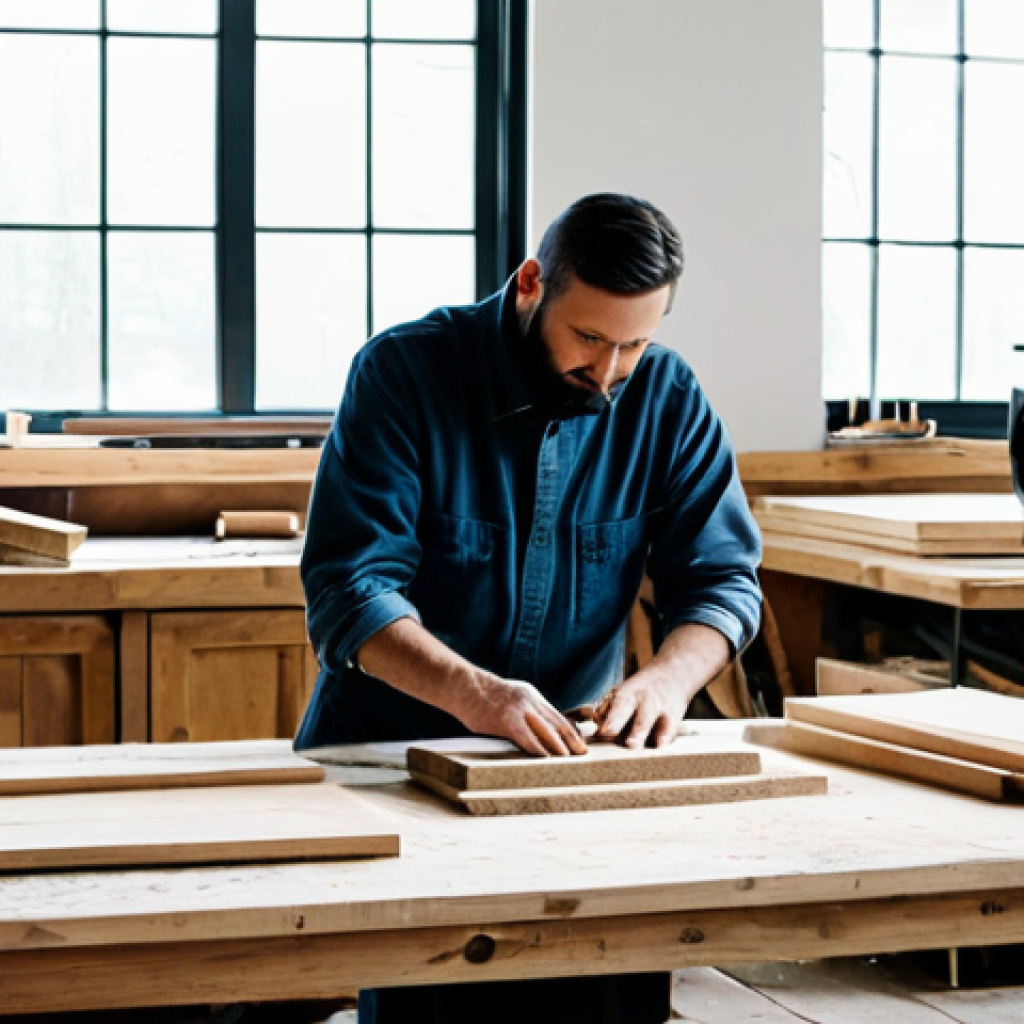
Okay, I understand. Here’s the blog introduction about Sustainable Design:Sustainable design, or eco-design as some call it, isn’t just a fleeting trend; it’s a necessary shift in how we approach creating pretty much anything, from the clothes we wear to the buildings we live in.
I’ve been diving deep into this world lately, and honestly, it’s fascinating and a bit overwhelming! It’s about minimizing environmental impact, of course, but it’s also about creating things that are durable, repairable, and ultimately, contribute to a healthier planet for future generations.
It’s about making conscious choices, and thinking beyond just the immediate gratification of a shiny, new purchase. The rise of conscious consumerism and a growing awareness of climate change are pushing sustainable design into the mainstream, making it more relevant than ever before.
Let’s delve deeper into the specifics in the article below.
The Heart of Sustainable Design: Materials Matter
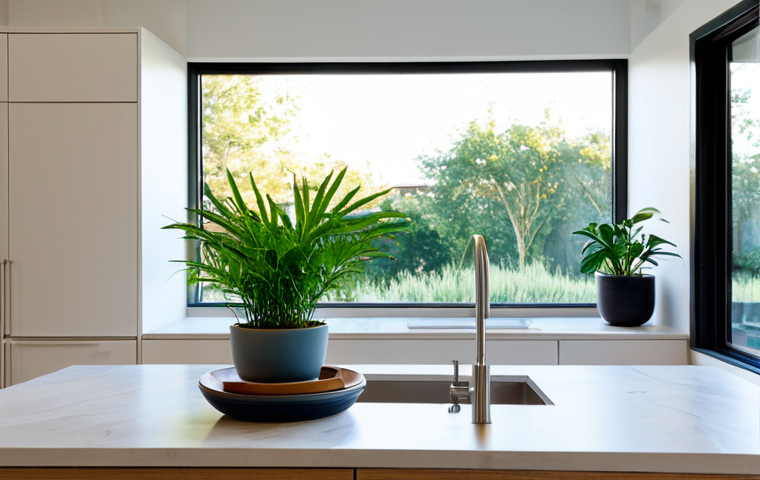
Okay, let’s get real. When I first started looking into sustainable design, I figured it was all about bamboo and recycled plastic. And while those are definitely important, it’s way more complex (and interesting) than that. It’s about considering the entire lifecycle of a material, from where it comes from, to how it’s processed, to what happens to it when we’re done with it. It’s about choosing materials that are not only eco-friendly but also durable, ethically sourced, and, let’s be honest, aesthetically pleasing. I remember reading an article about how much energy it takes to produce a single cotton t-shirt. It blew my mind! Now, I’m much more mindful about what I buy and what it’s made of. It’s not always easy, and it often requires a bit more research, but it’s worth it.
Sourcing Responsibly
So, what does “sourcing responsibly” even mean? Well, it means knowing where your materials come from. Are they harvested in a way that doesn’t destroy habitats? Are the workers who produce them treated fairly? Are the materials transported efficiently to minimize carbon emissions? These are all questions worth asking. I’ve found that companies that are truly committed to sustainability are usually pretty transparent about their sourcing practices. Look for certifications like Fair Trade, Forest Stewardship Council (FSC), or Cradle to Cradle.
The Beauty of Reclaimed and Upcycled Materials
One of the coolest things I’ve discovered is the potential of reclaimed and upcycled materials. Think about it: instead of extracting new resources from the earth, we can give a second life to materials that would otherwise end up in landfills. I’ve seen incredible furniture made from reclaimed wood, stunning jewelry crafted from recycled glass, and even entire buildings constructed from shipping containers. It’s not just about being eco-friendly; it’s about creating something unique and beautiful with a story to tell. Plus, using reclaimed materials often adds character and history to a design that you just can’t get with new materials.
The Role of Innovation in Material Science
And let’s not forget about the exciting innovations happening in material science! Scientists are developing new materials that are biodegradable, compostable, and even carbon-negative. I recently read about a company that’s creating packaging from mushroom mycelium (the root structure of mushrooms), and it’s totally compostable! It’s amazing to see how technology is helping us find more sustainable alternatives to traditional materials. These advancements are crucial for a truly circular economy.
Designing for Durability: Built to Last
My grandmother always said, “Buy it nice, or buy it twice.” And while she wasn’t exactly talking about sustainable design, her words ring true. One of the most effective ways to reduce our environmental impact is to design products that are built to last. I’m talking about things that are not only well-made but also timeless in their design. Think about classic pieces of furniture that have been passed down through generations. They’re not just beautiful; they’re also incredibly durable and require minimal maintenance.
The Importance of Quality Craftsmanship
Of course, durability starts with quality craftsmanship. When a product is well-made with attention to detail, it’s much more likely to withstand the test of time. Look for products that are made by skilled artisans using high-quality materials. Don’t be afraid to invest a little more upfront for something that will last longer. I remember buying a cheap coffee table once, and it literally fell apart within a year. Lesson learned!
Timeless Design: Avoiding Trends
Another key aspect of designing for durability is creating products that are not overly trendy. Trends come and go, and if you’re constantly replacing your furniture or clothing to keep up with the latest styles, you’re contributing to a wasteful cycle. Instead, opt for classic, timeless designs that will look good for years to come. Think about the iconic Eames chair or a well-tailored blazer. These are pieces that transcend trends and remain stylish regardless of what’s “in.”
Designing for Repairability
Finally, consider the repairability of a product. Can it be easily fixed if something breaks? Are replacement parts readily available? I’m a big fan of companies that offer repair services or make it easy for consumers to repair their own products. It’s a sign that they’re committed to longevity and reducing waste.
The Power of Minimalism: Less is More
I used to be a bit of a hoarder. Okay, maybe more than a bit. But over the past few years, I’ve embraced the principles of minimalism, and it’s had a profound impact on my life. Minimalism isn’t about living in a bare, white box. It’s about intentionally living with less stuff and focusing on the things that truly matter. It’s about quality over quantity and curating a life that is free from clutter and distraction.
Decluttering Your Life
The first step towards minimalism is decluttering your life. This can be a daunting task, but it’s incredibly liberating. Start by going through your belongings and getting rid of anything you don’t use, need, or love. Be honest with yourself! It’s okay to let go of things that no longer serve you. Donate, sell, or recycle what you can. The goal is to create a space that is free from unnecessary possessions.
Mindful Consumption
Once you’ve decluttered, the next step is to practice mindful consumption. This means being more intentional about what you buy and asking yourself if you really need something before you purchase it. Avoid impulse buys and resist the urge to accumulate more stuff. Instead, focus on experiences, relationships, and personal growth.
Embracing the Circular Economy: Closing the Loop
The linear economy – take, make, dispose – is fundamentally unsustainable. We extract resources from the earth, turn them into products, and then throw them away when we’re done with them. This creates a huge amount of waste and depletes our planet’s resources. The circular economy, on the other hand, is about closing the loop and keeping resources in use for as long as possible. It’s about designing products that can be reused, repaired, or recycled.
Reduce, Reuse, Recycle: The Classic Trio
We all know the mantra: reduce, reuse, recycle. But it’s worth revisiting these principles and thinking about how we can apply them more effectively in our lives. Reduce means minimizing our consumption in the first place. Reuse means finding new ways to use things instead of throwing them away. And recycle means turning waste materials into new products.
Designing for Disassembly
One of the key principles of the circular economy is designing products for disassembly. This means making it easy to take a product apart at the end of its life so that its components can be reused or recycled. This requires a shift in thinking from designing for disposal to designing for recovery. I remember reading about a company that designs its products with snap-fit connections instead of glue or screws, making it much easier to disassemble them.
Energy Efficiency: Powering a Sustainable Future
Let’s talk energy. It powers our homes, our cars, and our entire economy. But the way we generate and use energy has a huge impact on the environment. Burning fossil fuels releases greenhouse gases that contribute to climate change. That’s why energy efficiency is so crucial for a sustainable future. It’s about using less energy to achieve the same results.
Smart Home Technology
Smart home technology can play a big role in energy efficiency. Smart thermostats can learn your habits and adjust the temperature automatically to save energy. Smart lighting systems can turn off lights when you leave a room. And smart appliances can optimize their energy consumption based on your usage patterns. I installed a smart thermostat in my apartment a few months ago, and I’ve already seen a noticeable reduction in my energy bill.
Renewable Energy Sources
And of course, we can’t talk about energy efficiency without mentioning renewable energy sources. Solar, wind, and geothermal energy are all clean, sustainable alternatives to fossil fuels. Investing in renewable energy is essential for transitioning to a low-carbon economy.
Water Conservation: A Precious Resource
We often take water for granted, but it’s a finite and precious resource. Many parts of the world are already experiencing water scarcity, and climate change is only exacerbating the problem. That’s why water conservation is so important. It’s about using water wisely and reducing our water footprint.
Low-Flow Fixtures
One simple way to conserve water is to install low-flow fixtures in your home. Low-flow showerheads, toilets, and faucets use significantly less water than traditional fixtures. I switched to a low-flow showerhead a few years ago, and I honestly don’t notice any difference in water pressure. It’s a small change that can make a big difference.
Xeriscaping: Landscaping with Native Plants
If you have a yard, consider xeriscaping, which is a landscaping technique that uses native plants that are adapted to your local climate. Native plants require less water, fertilizer, and pesticides than non-native plants. They also provide habitat for local wildlife. I’ve been slowly converting my lawn to a xeriscape garden, and it’s been amazing to see the birds and butterflies that have been attracted to it.
| Sustainable Design Principle | Description | Example |
|---|---|---|
| Material Selection | Choosing eco-friendly, durable, and ethically sourced materials. | Using reclaimed wood for furniture construction. |
| Durability | Designing products that are built to last and can be easily repaired. | Investing in high-quality, timeless furniture pieces. |
| Minimalism | Living with less stuff and focusing on quality over quantity. | Decluttering your home and practicing mindful consumption. |
| Circular Economy | Keeping resources in use for as long as possible through reuse, repair, and recycling. | Designing products for disassembly and using recyclable packaging. |
| Energy Efficiency | Using less energy to achieve the same results through smart home technology and renewable energy sources. | Installing a smart thermostat and using LED lighting. |
| Water Conservation | Using water wisely and reducing our water footprint through low-flow fixtures and xeriscaping. | Installing a low-flow showerhead and using native plants in landscaping. |
The Ethical Considerations: People and Planet
Sustainable design isn’t just about the environment; it’s also about people. It’s about ensuring that the products we create are made in a way that is fair, ethical, and respects the rights of workers. It’s about considering the social impact of our designs.
Fair Labor Practices
Look for products that are made in factories that adhere to fair labor practices. This means paying workers a living wage, providing safe working conditions, and respecting their right to organize. Certifications like Fair Trade can help you identify products that meet these standards.
Community Engagement
Sustainable design also involves engaging with local communities and supporting their economies. This can mean sourcing materials from local suppliers, hiring local workers, and designing products that meet the needs of the community. I’ve seen some amazing examples of designers working with indigenous communities to create products that are both beautiful and sustainable.
In Conclusion
So, there you have it – a glimpse into the world of sustainable design. It’s not just a trend; it’s a fundamental shift in how we think about creating products and spaces. It’s about making conscious choices that benefit both people and the planet. It’s a journey, and every small step counts. Let’s all strive to design a more sustainable future, one conscious choice at a time!
Helpful Tips to Keep in Mind
1. Look for Certifications: Certifications like Fair Trade, LEED, and Cradle to Cradle can help you identify sustainable products and practices.
2. Support Local Businesses: Buying from local businesses reduces transportation emissions and supports your community’s economy.
3. Embrace DIY: Instead of buying new, try making your own products or repairing existing ones.
4. Educate Yourself: Stay informed about the latest sustainable design trends and technologies.
5. Start Small: You don’t have to overhaul your entire life to be more sustainable. Start with small changes and gradually incorporate more sustainable practices into your daily routine.
Key Takeaways
Sustainable design is about considering the entire lifecycle of materials and products, from sourcing to disposal.
Durability is key to reducing waste; choose products that are built to last and can be easily repaired.
Minimalism and mindful consumption can help you live a more sustainable lifestyle.
The circular economy aims to keep resources in use for as long as possible through reuse, repair, and recycling.
Energy efficiency and water conservation are crucial for reducing our environmental impact.
Ethical considerations, such as fair labor practices and community engagement, are an integral part of sustainable design.
Frequently Asked Questions (FAQ) 📖
Q: What are some easy ways I can incorporate sustainable design into my own home?
A: Honestly, it’s easier than you think! Start small. Ditch those disposable water bottles and get a reusable one.
Replace your incandescent light bulbs with LEDs – the initial investment is a bit more, but you’ll save a ton on your electricity bill in the long run.
When buying furniture, look for pieces made from reclaimed wood or recycled materials. And if you’re feeling ambitious, try composting! My own little compost bin in the backyard has done wonders for my garden and cut down on my kitchen waste significantly.
Q: Is sustainable design more expensive than traditional design?
A: That’s the million-dollar question, right? Sometimes, the initial cost can be higher. Sustainable materials and ethical manufacturing processes often come with a premium.
However, think of it as a long-term investment. Sustainable products are often more durable and energy-efficient, which means lower maintenance costs and reduced utility bills.
Plus, you’re contributing to a healthier planet, which is priceless in my book. Don’t get discouraged by the initial price tag – do your research and look for sustainable options that fit your budget.
There are surprisingly affordable alternatives out there if you’re willing to look!
Q: I’m worried that sustainable design means sacrificing style.
A: re eco-friendly products ugly? A3: Absolutely not! That’s an outdated misconception.
Sustainable design has come a long way. Nowadays, you can find stunning, stylish products that are also eco-friendly. Think sleek bamboo furniture, vibrant rugs made from recycled plastic, and elegant lighting fixtures crafted from sustainable wood.
In fact, many designers are now prioritizing sustainability, so you’ll often find that eco-friendly options are actually on the cutting edge of design.
Check out websites like Etsy and online eco-friendly marketplaces – you’ll be amazed at the beautiful and innovative sustainable products available. Trust me, you don’t have to sacrifice style to be sustainable!
📚 References
Wikipedia Encyclopedia
구글 검색 결과
구글 검색 결과
구글 검색 결과
구글 검색 결과
구글 검색 결과