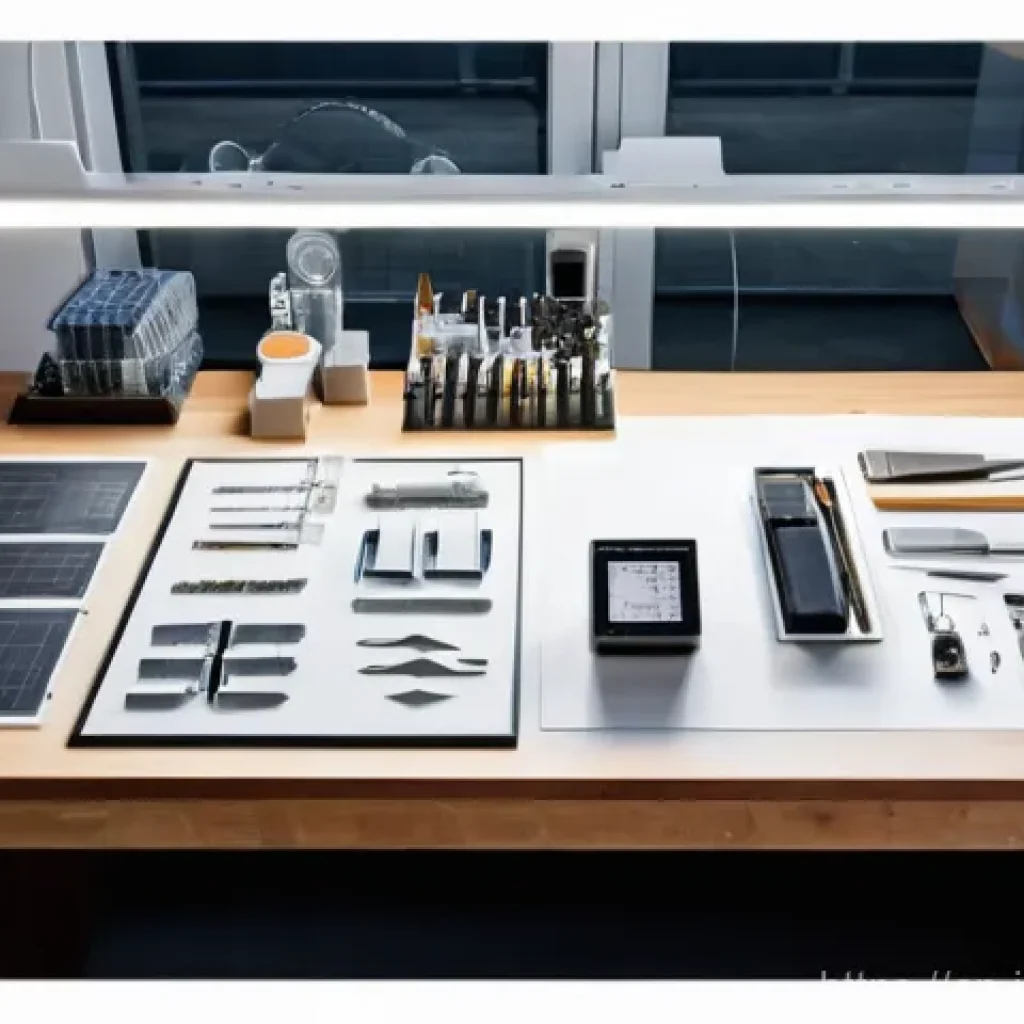
Have you ever stopped to think about how everything around us, from the smartphone in your hand to the chair you’re sitting on, was carefully conceived and crafted?
That’s the magic of industrial design! It’s an incredible field that shapes our daily lives, blending aesthetics, functionality, and user experience into tangible products.
For years, the focus was often on innovation and market appeal, but as I’ve seen in my own journey through the design world, something profound is shifting.
We’re now at a pivotal moment where design isn’t just about what looks good or works well, but also about how it impacts our planet. This shift towards eco-friendly design isn’t just a fleeting trend; it’s becoming the very backbone of responsible product development.
Consumers, myself included, are increasingly looking for products that don’t cost the Earth, pushing designers to think innovatively about materials, manufacturing processes, and end-of-life solutions.
It’s a challenging yet incredibly exciting time, as we grapple with creating beautiful, functional items that also contribute positively to a sustainable future.
From pioneering biomaterials to designing for a circular economy, the possibilities are truly inspiring. I’m so thrilled to share what I’ve learned and what I believe is next for this vital area.
Let’s really dig deep and uncover the fascinating world where groundbreaking industrial design meets environmental stewardship, shall we?
Shifting Paradigms: From Planned Obsolescence to Lasting Legacy

When I first started delving into the world of industrial design, the buzz was all about innovation and getting new products to market faster. We were, often unknowingly, part of a system that sometimes encouraged a “throwaway” culture.
But honestly, watching that unfold, seeing perfectly good products discarded simply because a newer model arrived, started to feel… off. It’s like we collectively realized that chasing endless newness wasn’t sustainable, not for our wallets, and certainly not for our planet.
What I’ve truly witnessed over the past few years is a massive, incredibly exciting shift. Designers are no longer just thinking about the initial sale; we’re now obsessing over the entire lifecycle of a product, aiming to create items that truly stand the test of time.
It’s not just about making something beautiful anymore; it’s about making something enduring, something that tells a story of thoughtful craftsmanship and respectful resource use.
This transformation feels deeply personal to me because it aligns so much with my own values – building a better future, one well-designed, long-lasting product at a time.
It’s a challenge, sure, but a profoundly rewarding one.
Embracing Durability as a Design Principle
It used to be that durability was a bonus, a nice-to-have. Now, I see it as a foundational pillar of good design. When I pick up a product, I’m not just looking at its finish; I’m mentally assessing how many years it’s going to serve its purpose, how easily it can be repaired, and whether its materials will hold up to daily wear and tear.
This mindset pushes us to choose robust materials, design for easy maintenance, and even consider modular components that can be upgraded rather than replaced entirely.
Think about that favorite pair of jeans you’ve had for years, or a piece of furniture passed down through generations – that’s the kind of longevity we’re striving for across the board.
It requires a deeper commitment from designers and manufacturers, but the payoff in terms of reduced waste and increased customer satisfaction is truly immense.
The Craft of Repairability
Honestly, there’s a certain satisfaction that comes from fixing something, isn’t there? It builds a connection, a sense of ownership. For too long, many products were designed to be impossible to repair, essentially forcing us into buying new.
But I’ve noticed a significant push from designers, and frankly, from consumers like you and me, for products that can be easily disassembled, diagnosed, and repaired.
This means accessible screws instead of glue, readily available spare parts, and even digital guides that walk you through the repair process. It’s a game-changer, turning frustration into empowerment and significantly extending a product’s useful life.
Companies that embrace repairability are not just being sustainable; they’re also building a reputation for trustworthiness and customer care that truly sets them apart in today’s crowded market.
A New Palette: Innovating with Earth-Friendly Materials
My design studio used to be filled with samples of conventional plastics and metals, the usual suspects, you know? But lately, the materials library looks completely different, and frankly, it’s thrilling!
We’re witnessing an absolute revolution in material science, driven by the urgent need to reduce our environmental footprint. It’s not just about finding alternatives; it’s about discovering entirely new possibilities that challenge our preconceived notions of what a product can be made from.
From mycelium-based packaging that literally grows to biodegradable polymers derived from plant starches, the options are expanding exponentially. When I hold a prototype made from a sustainable new material, there’s a palpable sense of excitement, a feeling that we’re truly on the cusp of something transformative.
This isn’t just about being “less bad”; it’s about actively creating positive impact, drawing inspiration from nature’s own incredible efficiency and regenerative cycles.
The creativity involved in sourcing and transforming these new materials is boundless, and it pushes us as designers to think far beyond the traditional confines of manufacturing.
From Petrochemicals to Plant-Based Wonders
It’s incredible how rapidly our understanding of what constitutes a “good” material is evolving. For decades, plastics derived from fossil fuels dominated the scene due to their versatility and low cost.
But the environmental toll is undeniable, and we’ve all seen the images of plastic pollution. Now, designers are eagerly exploring plant-based polymers like PLA (polylactic acid) from corn starch, or PHA (polyhydroxyalkanoates) made by bacteria.
I’ve personally experimented with composites made from agricultural waste, like coffee grounds or rice husks, and the results are often stunning – unique textures, surprising durability, and a clear conscience.
It truly feels like we’re unlocking a hidden treasure chest of resources that nature has always had waiting for us, allowing us to create beautiful, functional objects without depleting finite resources.
Reimagining Waste as a Resource
One of the most profound shifts in my own thinking has been about waste. What if we didn’t see “waste” as an end-point, but rather as a raw material for something new?
This concept, often called upcycling, is taking industrial design by storm. I’ve seen incredible furniture made from discarded ocean plastics, stylish accessories crafted from old tires, and even building materials derived from demolition debris.
It’s a powerful mindset that demands creativity and ingenuity, pushing us to find inherent value in what was once considered rubbish. It’s not just recycling; it’s a creative transformation that gives materials a second, even more meaningful life, fundamentally altering how we perceive and value resources.
This approach not only reduces landfill burden but also often leads to products with unique stories and aesthetics that consumers truly appreciate.
The Circular Economy: Designing Beyond the Linear
For years, our industrial model was pretty straightforward, wasn’t it? Take, Make, Dispose. It was a linear path, and while it fueled incredible growth, it also led to an unsustainable drain on resources and a mountain of waste.
I remember feeling a growing unease about this system, wondering if there had to be a better way. And then the concept of the circular economy started gaining real traction, and for me, it was like a lightbulb went off.
This isn’t just a slight tweak to our current system; it’s a fundamental reimagining, a philosophical shift in how we approach everything from product conception to end-of-life.
It’s about keeping resources in use for as long as possible, extracting the maximum value from them while in use, then recovering and regenerating products and materials at the end of each service life.
It feels incredibly hopeful and practical all at once. It’s a design challenge on a grand scale, asking us to think in loops, not lines. This holistic perspective is pushing designers to collaborate more closely with manufacturers, logistics experts, and even consumers to truly close the loop.
Products as Services, Not Just Possessions
One fascinating aspect of the circular economy that truly excites me is the “product-as-a-service” model. Instead of buying a product outright, you might subscribe to its use.
Think about leasing office equipment, or even car-sharing services. This incentivizes manufacturers to design ultra-durable, easily maintainable products because they retain ownership and are responsible for its upkeep and eventual take-back.
I’ve seen this model gain traction in everything from lighting systems to even clothing, and it fundamentally changes the relationship between consumer and product, focusing on access and performance rather than mere ownership.
It’s a win-win, reducing waste and often providing a better service experience, encouraging brands to build products that last and perform exceptionally well over extended periods.
Closing the Loop: From Disassembly to Rebirth
The idea of designing a product knowing it will eventually be taken apart and its components reused or recycled is profoundly impactful. It means thinking about how things are assembled – moving away from permanent glues towards mechanical fasteners, for example.
It means clearly labeling materials for easy sorting and recovery. When I’m sketching out a new concept, I’m now constantly asking myself: “How will this come apart?
What happens to each piece when its first life is over?” This proactive approach ensures that materials retain their value and can re-enter the production cycle, truly closing the loop and transforming what was once waste into a valuable resource.
It’s a complex puzzle, but incredibly rewarding when you see the pieces fit, knowing you’ve contributed to a truly regenerative system.
Manufacturing with a Conscience: Greening the Production Line
It’s one thing to design a beautiful, sustainable product; it’s another entirely to bring it to life in a way that minimizes environmental harm. For a long time, the manufacturing process itself was often overlooked in the grand scheme of “green” design.
But as I’ve learned through countless factory visits and conversations with engineers, the production floor holds immense potential for sustainable innovation.
It’s not just about using less energy; it’s about rethinking every single step, from sourcing raw materials to the logistics of getting the finished product into your hands.
This holistic view of sustainability in manufacturing isn’t just good for the planet; it often leads to incredible efficiencies and cost savings, something every business owner I know appreciates!
It’s about designing smarter, building leaner, and truly understanding the ripple effect of every decision we make in production. The commitment from manufacturers to adopt these greener practices is a testament to the growing realization that environmental responsibility is not just an ethical imperative but a sound business strategy.
Energy Efficiency and Renewable Power
Walking through a modern factory that’s committed to sustainability feels different. You notice things – fewer fumes, perhaps solar panels on the roof, or machinery humming quietly on renewable energy.
The push towards energy efficiency in manufacturing is monumental. This involves everything from optimizing machine schedules to reduce idle time, to investing in advanced, low-energy equipment, and significantly, integrating renewable energy sources.
I’ve seen companies make incredible strides, powered by solar arrays or even harnessing geothermal energy. It’s inspiring to see these massive operations transition towards a cleaner, greener energy footprint, demonstrating that industrial scale and environmental responsibility can absolutely go hand-in-hand.
This also often translates into substantial long-term savings on energy costs, making it an attractive proposition for businesses looking to enhance their bottom line.
Minimizing Waste and Toxins in Production
Beyond energy, reducing waste and eliminating toxic chemicals in the manufacturing process are paramount. This means meticulously planning material cuts to minimize scrap, finding innovative ways to recycle production waste (like turning plastic offcuts back into pellets), and crucially, replacing harmful solvents and dyes with eco-friendly alternatives.
I remember one project where we spent weeks researching non-toxic adhesives, and the effort truly paid off, not just for the environment, but also for the health of the workers and the end-users.
It’s a commitment to cleaner chemistry and smarter process engineering that ensures the journey from raw material to finished product is as benign as possible.
This careful attention to detail throughout the production chain drastically reduces the overall environmental impact of a product, making it truly sustainable.
| Feature | Linear Design (Traditional) | Circular Design (Sustainable) |
|---|---|---|
| Resource Flow | Take-Make-Dispose (Open-ended) | Reduce-Reuse-Recycle (Closed-loop) |
| Product Lifecycle Goal | Short lifespan, planned obsolescence | Longevity, durability, repairability |
| Materials Focus | Virgin, often non-renewable resources | Renewable, recycled, non-toxic, biodegradable |
| Waste Management | Waste as an unavoidable byproduct, often landfilled | Waste as a valuable resource, feedstock for new products |
| Business Model | Ownership, selling new products frequently | Performance, product-as-a-service, leasing, sharing |
| Environmental Impact | High resource depletion, significant pollution | Minimized resource use, pollution, and carbon footprint |
User-Centric Sustainability: Empowering Conscious Choices
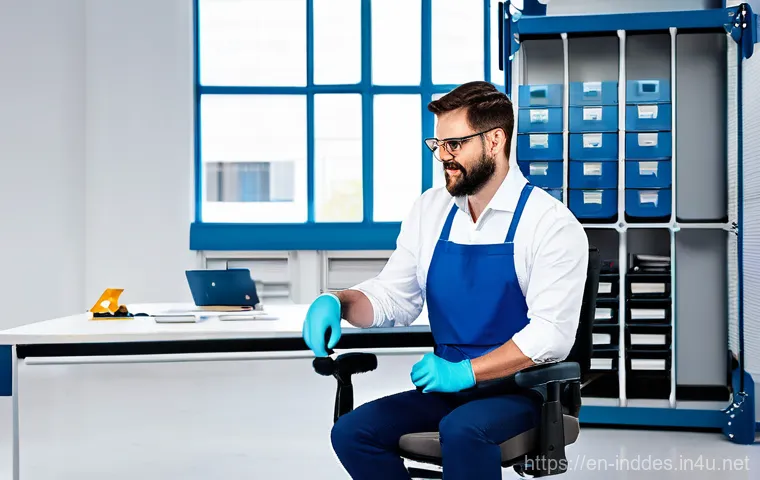
It’s easy for us designers to get lost in the technicalities of materials and manufacturing, but ultimately, our creations end up in your hands. And what I’ve realized, both as a designer and a consumer, is that sustainability isn’t just about what *we* do; it’s also about empowering *you* to make more informed, eco-conscious decisions.
This involves everything from how we communicate a product’s environmental story to designing products that actively encourage sustainable behavior. I truly believe that the most successful sustainable designs are those that make the “green” choice the easiest, most attractive, and most intuitive one.
It’s a partnership, really, between the creators and the users, all striving towards a common goal of a healthier planet. This collaboration is incredibly powerful and, frankly, it makes my work feel even more meaningful.
When consumers are equipped with the right information and offered genuinely sustainable options, they become powerful agents of change in the market.
Transparent Storytelling: Knowing Your Product’s Journey
One of the biggest frustrations I hear from friends and family is the difficulty in knowing which products are genuinely sustainable versus those that are just “greenwashing.” As designers, we have a responsibility to be utterly transparent.
This means clear labeling about materials, origin, manufacturing processes, and end-of-life options. I’ve been involved in projects where we’ve integrated QR codes that lead to detailed product passports, outlining everything from raw material sourcing to ethical labor practices.
It builds trust and allows you to make decisions based on verifiable facts, not just clever marketing. It feels good to empower consumers with real, accessible information, and this level of transparency is quickly becoming an expectation rather than an exception for responsible brands.
Designing for Sustainable Habits
Beyond the product itself, can design actually influence our daily habits for the better? Absolutely! I’ve seen some ingenious examples.
Think about a smart thermostat that intuitively optimizes energy use, or a reusable coffee cup that’s so aesthetically pleasing and comfortable to hold, you genuinely *want* to carry it everywhere.
Designers are increasingly looking at the entire user experience, identifying points where sustainable behavior can be encouraged or even automated. It’s about making the environmentally friendly choice feel natural, convenient, and even desirable, weaving sustainability seamlessly into the fabric of our everyday lives without feeling like a chore.
This thoughtful approach moves beyond mere functionality to truly enrich our lives while also benefiting the planet.
The Future Is Bright: Emerging Trends in Responsible Design
Looking ahead, I can’t help but feel an overwhelming sense of optimism about where industrial design is headed. It’s a dynamic field, always evolving, but the current trajectory towards deeper, more integrated sustainability is genuinely exhilarating.
It’s no longer just a niche concern; it’s becoming the default setting for innovative design. I’ve been watching some truly groundbreaking developments that promise to reshape how we think about products, resources, and our relationship with the environment.
From leveraging artificial intelligence to optimize material use to exploring entirely new paradigms of production, the possibilities feel limitless. This isn’t just about incremental improvements; it’s about revolutionary shifts that will define the next generation of products we use, cherish, and eventually, responsibly return to the Earth.
The ingenuity and passion within the design community for tackling these grand challenges are incredibly inspiring.
Biomimicry: Nature as Our Ultimate Mentor
One trend that absolutely captivates me is biomimicry – the practice of emulating nature’s time-tested patterns and strategies to solve human challenges.
Nature has been perfecting design for billions of years, creating incredibly efficient, waste-free systems. I’ve seen designers creating adhesives inspired by gecko feet, self-cleaning surfaces mimicking lotus leaves, and structural designs that mirror bone density for maximum strength with minimal material.
It’s a profound shift from extracting resources *from* nature to learning *from* nature, and it opens up a world of elegant, inherently sustainable solutions that are often far superior to anything we could devise on our own.
It’s truly humbling and inspiring to see how closely observing the natural world can unlock such innovative and sustainable design solutions for our human-made world.
Digital Fabrication and Hyper-Localization
The rise of advanced digital fabrication techniques like 3D printing and robotic manufacturing is also poised to revolutionize sustainable design. Imagine being able to print a spare part on demand, reducing the need for extensive spare parts inventories and global shipping.
Or consider products that are custom-made locally, drastically cutting down on transportation emissions. I’ve been fascinated by how these technologies allow for incredible material efficiency, often using only the exact amount of material needed, and enabling designs that are simply impossible with traditional manufacturing.
It hints at a future where products are made closer to home, precisely when and where they’re needed, transforming global supply chains into nimble, localized networks.
This could dramatically reduce our carbon footprint and empower local economies, fostering a more resilient and sustainable production model.
The ROI of Responsibility: Why Green is Good for Business
Let’s be honest, for a long time, there was a perception that “going green” was an expensive luxury, something only big corporations with endless budgets could afford, or a niche for ethically-minded small businesses.
But what I’ve experienced firsthand, and what the data now clearly shows, is that integrating sustainability into industrial design isn’t just good for the planet; it’s profoundly good for business.
The return on investment (ROI) is becoming undeniable, impacting everything from brand loyalty and market share to operational efficiency and talent attraction.
It’s no longer a cost center; it’s a strategic advantage that drives innovation and long-term value. This shift has been incredibly encouraging to watch, demonstrating that profitability and planetary health don’t have to be mutually exclusive.
Companies that embrace genuine sustainability are finding themselves not just surviving, but thriving in an increasingly conscious marketplace.
Attracting the Conscious Consumer
I’ve noticed a significant change in consumer behavior, especially among younger generations. People are actively seeking out brands that align with their values, and sustainability is consistently at the top of that list.
They’re willing to pay a premium for products that are ethically sourced, environmentally friendly, and built to last. For a designer, creating products that resonate with this growing market isn’t just about aesthetics; it’s about crafting a narrative of responsibility and authenticity.
When a brand genuinely commits to sustainable practices, it builds a deep, emotional connection with its audience, fostering loyalty that traditional marketing often struggles to achieve.
It’s about building a community, not just a customer base, a powerful connection that translates directly into long-term sales and positive brand perception.
Operational Efficiencies and Cost Savings
Beyond market appeal, I’ve seen countless examples where sustainable design choices directly lead to significant cost reductions for businesses. Using less material, for instance, means lower raw material costs.
Designing for energy efficiency in production reduces utility bills. Creating durable, repairable products can lead to fewer warranty claims and returns, enhancing customer satisfaction and reducing after-sales service costs.
Furthermore, many governments offer incentives and tax breaks for companies investing in green technologies and practices. It’s a compelling economic argument: what initially seems like an upfront investment often yields substantial savings and increased profitability over the long run, proving that being kind to the Earth can also be very kind to the bottom line.
This financial benefit solidifies sustainability as a smart business move, not just a moral obligation.
Wrapping Things Up
As we’ve journeyed through the exciting world of sustainable industrial design, it’s clear that we’re standing at the precipice of a truly transformative era. What started as a burgeoning idea has blossomed into a powerful movement, driven by brilliant minds, innovative materials, and a collective desire for a better future. I genuinely believe that by embracing these principles – from designing for durability and repairability to fostering a circular economy – we’re not just making better products; we’re building a more resilient, respectful, and frankly, more beautiful world for generations to come. It’s an ongoing conversation, a shared responsibility, and one that I’m incredibly passionate about seeing flourish.
Useful Information to Keep in Mind
1. Before making a purchase, take a moment to research a product’s lifecycle. Look for brands that clearly communicate their sourcing, manufacturing, and end-of-life plans.
2. Prioritize products that are designed for repair. Check if spare parts are available and if there are guides to help you fix things yourself, extending their useful life.
3. Embrace the “product-as-a-service” model where possible. Leasing or sharing items can reduce waste and often provide access to higher quality goods without the burden of full ownership.
4. Seek out items made from recycled, upcycled, or rapidly renewable materials. This reduces demand for virgin resources and supports innovative, eco-friendly industries.
5. Don’t be afraid to ask questions! Engage with brands on social media or directly about their sustainability efforts. Your voice as a conscious consumer truly matters and drives change.
Key Takeaways
The paradigm shift in industrial design is moving us from a linear “take-make-dispose” model to a regenerative circular economy, focusing on durability, repairability, and innovative, earth-friendly materials. This not only benefits the planet by reducing waste and resource depletion but also proves to be a savvy business strategy, enhancing brand loyalty and operational efficiency. Empowering consumers with transparency and designing for sustainable habits are crucial elements, with biomimicry and digital fabrication paving the way for an even brighter, more responsible future.
Frequently Asked Questions (FAQ) 📖
Q: So, when we talk about “eco-friendly industrial design,” what does that actually mean in practice beyond just using recyclable materials? Is it a whole new way of thinking?
A: Oh, absolutely! It’s such a fantastic question, and one I get asked a lot. From my perspective, having watched this space evolve, “eco-friendly” in industrial design isn’t just a buzzword or a single action like recycling.
It’s a fundamental shift, a holistic philosophy that permeates every single stage of a product’s life. Think about it: it starts right at the drawing board.
Designers are now meticulously considering where materials come from – are they sustainably harvested, recycled, or even completely novel biomaterials?
Then, it moves into the manufacturing process itself: how much energy is consumed? Are harmful chemicals used? What about water waste?
And crucially, it extends to the product’s entire lifespan. Is it durable? Can it be easily repaired?
And what happens at the very end? Is it designed to be disassembled for recycling, composting, or even upcycling? I remember working on a project where we spent weeks just rethinking a single component’s material, not just for its function, but for its entire ecological footprint.
It’s about minimizing negative impact and maximizing positive contribution, from cradle to grave, and it’s truly transforming how we create.
Q: It’s hard to know what’s genuinely eco-friendly versus what’s just “greenwashing.”
A: s a consumer, how can I really identify products that are truly designed with sustainability in mind? A2: You’ve hit on a major pain point, and frankly, it’s something I’ve wrestled with myself when I’m out shopping!
Greenwashing is a real challenge, and it takes a bit of savvy to navigate. My go-to advice? Look for transparency and specific, verifiable claims, rather than vague, feel-good marketing.
Genuine eco-friendly products usually come from brands that are open about their supply chains, their manufacturing processes, and even their environmental reports.
Seek out certifications from reputable third-party organizations – think labels like B Corp, Energy Star, or specific organic/recycled content standards.
These aren’t perfect, but they’re a solid starting point because they involve external auditing. Also, read reviews and do a quick search on the brand’s sustainability initiatives.
If they only talk about one small “green” aspect while the rest of their operations are opaque, that’s a red flag for me. Ultimately, it’s about doing a little detective work and trusting brands that show, not just tell, their commitment.
It’s a journey, but every conscious choice makes a difference!
Q: What are some of the most exciting innovations or materials you’ve personally come across that are truly pushing the boundaries of sustainable industrial design right now?
A: Oh, this is where it gets really exciting! The innovation happening in this space is just incredible. From what I’ve seen, a huge area of growth is in biomaterials.
We’re talking about everything from packaging made from mycelium (that’s mushroom root systems!) to textiles spun from orange peels or even algae. These materials aren’t just sustainable; they often offer unique properties that traditional materials can’t.
I recently saw a furniture collection where parts were grown, not manufactured, which just blew my mind. Another massive shift is the embrace of the circular economy model.
This means products are designed from the get-go to be part of a closed loop – imagine a laptop that’s super easy to upgrade, repair, and then eventually send back to the manufacturer to be fully recycled into new components.
It’s about extending life and eliminating waste, rather than the old “take-make-dispose” linear model. The sheer ingenuity in finding ways to reuse, upcycle, and even biologically degrade products without harm is genuinely inspiring, and honestly, it makes me so optimistic about the future of design.