Hey there, design enthusiasts and curious minds! It’s incredible how the world around us is constantly being shaped, isn’t it? From the smartphone in your hand to the chair you’re sitting on, every single object has a story – a journey from a glimmer of an idea to a tangible product.
We often take these things for granted, but behind every sleek gadget and every robust machine lies a fascinating dance between creativity and concrete execution.
I’ve always been captivated by this process, especially as I’ve seen firsthand how cutting-edge trends like AI-driven design tools and the push for hyper-personalized manufacturing are completely revolutionizing industries.
We’re living in a time where design isn’t just about aesthetics; it’s deeply intertwined with sustainability, user experience, and even future-proofing our planet.
The rapid evolution of technology, from advanced robotics to sophisticated material science, means the old ways of thinking about ‘making things’ are quickly becoming obsolete.
It’s an exciting, sometimes daunting, landscape where innovation truly never sleeps. But how do these amazing innovations truly come to life? How does a brilliant concept transform into a product we can touch, feel, and use every day?
It’s all thanks to the powerful synergy between industrial design and the production process. These two fields, often seen as separate, are actually two sides of the same coin, each utterly dependent on the other to bring groundbreaking ideas to fruition.
If you’ve ever wondered about the magic behind your favorite products, you’re in the right place. Let’s dive deep and truly unpack the intricate world where imagination meets manufacturing, and explore exactly how these vital components work hand-in-hand to create the future.
### What Is Industrial Design, Really? Beyond the Pretty PicturesWhen people hear “industrial design,” they often picture sleek car models or stylish furniture.
And while that’s certainly a part of it, it’s just the tip of the iceberg. From my vantage point, having observed countless products evolve, industrial design is about so much more than just making things look good.
It’s problem-solving at its core. It’s about enhancing functionality, improving user experience, and ensuring a product connects emotionally with its audience.
Think about it: a well-designed coffee maker isn’t just about its shiny exterior; it’s about how easily you can fill it, how intuitively the buttons work, and how comfortably it fits into your morning routine.
I remember seeing early prototypes where the focus was entirely on form, only to realize in user testing that nobody could actually *use* the product without frustration.
That’s when the true value of human-centered design really hits you. Designers today are using sophisticated digital tools, virtual reality, and even AI to rapidly prototype and test ideas, ensuring that form truly follows function in the most intelligent way possible.
We’re seeing a massive shift towards design that not only looks good but also tells a story, promotes well-being, and is inherently sustainable. ### The Production Process: Turning Dreams into Tangible RealityOnce an industrial designer crafts a brilliant concept, the baton passes to the production team.
This is where the rubber meets the road, where blueprints become tangible objects. And let me tell you, it’s an incredibly complex journey! From selecting the right materials – durable, cost-effective, sustainable – to setting up intricate assembly lines, every step requires precision and expertise.
I’ve walked through factories that feel like miniature cities, each department a critical cog in a vast machine, turning raw materials into finished goods.
The sheer logistics involved, from sourcing components globally to managing quality control at every stage, is mind-boggling. It’s easy to overlook the immense effort that goes into producing millions of identical, high-quality items.
But the production landscape is also experiencing its own revolution. We’re moving beyond traditional manufacturing with the rise of Industry 4.0 – smart factories where machines communicate, data drives efficiency, and automation handles repetitive tasks.
Additive manufacturing, or 3D printing, has moved from niche prototyping to actual production, allowing for incredibly complex geometries and on-demand manufacturing that reduces waste.
We’re seeing localized production hubs gaining traction, reducing supply chain vulnerabilities, and even personalized mass production where products can be customized for individual consumers without sacrificing efficiency.
The goal is always the same: to produce high-quality goods as efficiently and sustainably as possible. ### The Inseparable Bond: When Design and Production TangoHere’s the kicker: industrial design and the production process aren’t independent entities.
They are two sides of the same conversation, constantly informing and challenging each other. A brilliant design is useless if it can’t be produced efficiently or affordably.
Conversely, a highly efficient production line is wasted if it’s churning out poorly designed, unappealing products. This is where concepts like “Design for Manufacturability (DFM)” and “Design for Assembly (DFA)” come into play.
These aren’t just buzzwords; they’re essential philosophies that ensure designers are thinking about the production process from day one. I’ve witnessed countless hours saved and millions of dollars optimized because a designer worked hand-in-hand with an engineer, tweaking a component or simplifying an assembly step *before* production even began.
The future of this collaboration is even more exciting. Imagine AI algorithms not only helping designers create aesthetically pleasing forms but also instantly optimizing them for specific manufacturing processes, predicting costs, and even suggesting sustainable material alternatives.
The goal is a seamless, iterative loop where design refinements instantly translate into production efficiencies, and vice versa. We’re moving towards a future where the line between designer and engineer blurs, fostering a holistic approach to product development that prioritizes both innovation and practicality, ensuring products are not just visually appealing but also ethically sourced, easily manufactured, and ultimately, beloved by users.
This dynamic interplay is what truly drives the evolution of our manufactured world, ensuring that what we imagine, we can indeed create.
The Unsung Heroes: How Effective Collaboration Drives Innovation

You know, it’s truly fascinating to observe how sometimes the most revolutionary products aren’t just born from a single flash of genius, but from the relentless, sometimes messy, back-and-forth between designers and engineers. I’ve been in meetings where a designer passionately defends an aesthetic choice, only for an engineer to gently (or not so gently!) explain the impossible cost or manufacturing headache it would create. And conversely, I’ve seen production teams struggle with designs that were technically feasible but utterly devoid of user appeal. The magic happens when both sides truly listen, push boundaries together, and find that sweet spot where innovation meets practicality. This isn’t just about avoiding problems; it’s about *creating* something better than either team could have envisioned alone. It’s a dance of compromise and creative problem-solving that elevates products from ‘good’ to ‘groundbreaking.’ When this collaboration clicks, it’s like watching a symphony, each instrument playing its part to create a harmonious whole.
Breaking Down Silos: The Designer-Engineer Dialogue
In the past, these two worlds often operated in silos. Design would hand off a completed blueprint, and production would just figure out how to build it. But those days are quickly fading. Now, the best product teams embed designers right on the factory floor, and engineers are brought into the initial brainstorming sessions. I recall a project where a slight adjustment to a product’s curvature, suggested by a manufacturing engineer early in the design phase, saved months of retooling time and hundreds of thousands of dollars in material waste down the line. That kind of foresight, born from direct interaction and mutual respect, is invaluable. It shifts the mindset from a sequential process to a truly integrated one, where everyone feels a shared ownership of the final product and its journey to market. This open dialogue isn’t always easy, but the rewards are undeniable – faster iterations, reduced costs, and ultimately, a more polished, user-centric product.
User-Centric Production: From Concept to Consumer Hands
The ultimate goal, of course, is to deliver something incredible to the end-user. And this shared objective becomes the North Star for both design and production. When designers understand the constraints and opportunities of various manufacturing techniques, they can design more efficiently. When production teams understand the user’s needs and the design’s intent, they can implement those designs with greater fidelity and care. It’s about creating products that aren’t just aesthetically pleasing or functionally sound, but deeply meaningful to the people who use them every day. I’ve seen the sheer delight on people’s faces when they interact with a product that just *works* – intuitively, beautifully, reliably. That’s the payoff of this integrated approach, knowing that every curve, every button, every material choice has been meticulously considered from concept to final assembly, with the user’s experience always at the forefront. It’s what transforms a simple gadget into an indispensable part of someone’s life.
Beyond the Blueprint: The Economic and Environmental Impact
It’s easy to get caught up in the shiny new gadgets and clever manufacturing techniques, but let’s zoom out a bit. The synergy between industrial design and production has profound implications far beyond just making a cool product. We’re talking about massive economic ripple effects and, increasingly, critical environmental considerations. A well-designed product, produced efficiently, doesn’t just look good; it can create jobs, stimulate local economies, and establish new markets. Conversely, a poorly designed or inefficiently produced item can lead to colossal waste, both in materials and resources, and missed economic opportunities. I’ve seen how companies that truly nail this integration become market leaders, not just because their products are superior, but because their entire operational pipeline is optimized for success. This isn’t just about profit margins; it’s about building sustainable businesses that can weather economic storms and contribute positively to society.
Driving Sustainable Practices Through Thoughtful Design
One area where this collaboration is becoming absolutely non-negotiable is sustainability. Designers are now tasked with considering a product’s entire lifecycle – from raw material sourcing and manufacturing energy consumption to end-of-life recycling or biodegradability. And production teams are instrumental in making these sustainable designs a reality, implementing greener manufacturing processes, reducing waste, and utilizing recycled or renewable materials. I’ve personally been incredibly impressed by how many forward-thinking companies are now integrating “circular economy” principles from the very first sketch. It’s no longer an afterthought; it’s a core design constraint. We’re talking about products designed for disassembly, repairability, and eventual reintegration into the supply chain. This requires a profound understanding of material science and production capabilities from the design side, and a commitment to investing in green technologies from the manufacturing side. It’s a shared responsibility that, when executed well, benefits everyone – consumers, businesses, and the planet.
Optimizing for Cost and Market Accessibility
Let’s be real: for a product to succeed, it also needs to be accessible to its target market. And that almost always comes down to cost. The genius of industrial design meeting efficient production lies in optimizing this delicate balance. Designers can specify materials and forms that are less expensive to produce without sacrificing quality or aesthetics. Production teams, armed with design insights, can streamline processes, reduce labor costs through automation, and leverage economies of scale. I’ve witnessed products that started as incredibly innovative but prohibitively expensive concepts get “cost-downed” through ingenious design tweaks and production efficiencies, suddenly making them available to millions. It’s a testament to the power of this collaborative problem-solving – finding ways to bring cutting-edge ideas to the masses without compromising on the vision. This economic alchemy is what drives market penetration and ultimately, widespread adoption of new technologies and solutions.
The Future is Now: Emerging Technologies Reshaping the Landscape
If you thought the past few decades were exciting, buckle up, because the pace of change is only accelerating! We’re on the cusp of, and in some cases already living through, a revolution in how products are conceived and created. Technologies that once sounded like science fiction are now becoming commonplace tools, pushing the boundaries of what’s possible for both designers and manufacturers. This isn’t just incremental improvement; it’s a fundamental shift in methodologies, materials, and even mindsets. I’ve been experimenting with some of these tools myself, and the sheer potential they unlock is truly breathtaking. It’s a thrilling time to be involved in the world of making things, where the only limit seems to be our collective imagination and willingness to embrace new paradigms.
AI and Generative Design: A New Era of Creativity
Perhaps one of the most exciting advancements is the rise of AI-driven generative design. Imagine feeding an AI a set of parameters – desired functionality, material properties, manufacturing constraints, weight limits, cost targets – and having it generate hundreds, even thousands, of optimized design solutions. This isn’t AI replacing designers; it’s AI acting as an incredibly powerful co-pilot, exploring possibilities that a human might never consider. I’ve seen generative design create structural components that are lighter, stronger, and more efficient than anything a human engineer could design conventionally. This technology is already being used in aerospace, automotive, and even consumer product development, leading to breakthrough innovations in performance and material usage. It’s like having an army of brilliant, tireless interns who can crunch data and explore options at lightning speed, freeing up human designers to focus on the higher-level creative and emotional aspects of product development.
Advanced Manufacturing and Hyper-Personalization
Couple generative design with advanced manufacturing techniques like robotic automation, sophisticated 3D printing (additive manufacturing), and even nanotechnology, and you’ve got a recipe for hyper-personalization at scale. We’re moving towards a world where products aren’t just mass-produced for an average user but can be individually tailored to specific needs, preferences, and even biometric data. Think custom-fit shoes printed on demand, or medical devices precisely designed for an individual patient’s anatomy. This level of customization was once unimaginable outside of bespoke luxury goods, but these new technologies are making it economically viable for a wider range of products. I believe this trend will fundamentally change how we think about consumer goods, shifting from ‘one size fits all’ to ‘designed just for me.’ It’s a thrilling prospect for both consumers and businesses, opening up entirely new markets and possibilities for truly unique products.
Navigating the Challenges: What Lies Ahead for Makers
Of course, with great innovation comes great challenges. It’s not all smooth sailing into this futuristic landscape. The rapid adoption of new technologies, the demand for sustainable practices, and the increasing complexity of global supply chains present significant hurdles for anyone involved in industrial design and production. I’ve personally seen companies struggle to adapt, clinging to outdated methods while the competition races ahead. It requires a willingness to invest, to learn, and sometimes, to completely rethink established processes. But those who embrace these challenges are the ones who will define the next generation of products and lead their industries. It’s an exciting, yet demanding, journey that requires constant vigilance and a proactive approach to problem-solving.
The Skill Gap and Workforce Evolution
One major challenge is the evolving skill set required for this new era. Designers need to be tech-savvy, understanding data analytics and AI tools. Engineers need to grasp complex automation and material science. There’s a growing skill gap that needs to be addressed through education, reskilling, and continuous learning. I always tell aspiring designers and engineers that lifelong learning isn’t just a cliché anymore; it’s an absolute necessity. The tools and techniques you learn today might be obsolete in five years, so staying curious and adaptable is key. Companies are investing heavily in training their workforce, and universities are revamping their curricula to prepare the next generation for these dynamic roles. It’s a constant race to keep up, but it’s also an incredible opportunity for individuals to grow and expand their expertise.
Ethical Considerations and Responsible Innovation
As we wield more powerful design and production tools, the ethical implications become more pronounced. How do we ensure AI-generated designs are free from bias? What are the environmental costs of hyper-customization? How do we protect data privacy when products are constantly collecting information? These aren’t just technical questions; they’re deeply moral and societal ones. I believe that designers and manufacturers have a responsibility to not just create, but to create *responsibly*. This means building ethical frameworks into the design process, being transparent with consumers, and prioritizing the well-being of people and the planet above all else. It’s a complex landscape, but by fostering open dialogue and adhering to strong ethical guidelines, we can ensure that innovation serves humanity in the best possible way. This is a conversation that needs to happen at every level, from the drawing board to the boardroom.
Bridging the Gap: Tools and Strategies for Seamless Integration
So, how do we actually make this happen? How do we ensure that industrial design and production don’t just coexist, but truly thrive together? It’s not just about technology; it’s about processes, communication, and a shared vision. I’ve seen firsthand that even the most cutting-edge software won’t magically fix a broken collaborative culture. It requires intentional effort, clear leadership, and a commitment from everyone involved to work as one cohesive unit. It’s about breaking down the historical barriers and building new bridges, ensuring that information flows freely and feedback loops are robust and continuous. This proactive approach to integration is what separates the industry leaders from those who merely follow. It’s about designing not just products, but the very systems that bring those products to life.
Leveraging Digital Twins and Simulation
One incredibly powerful strategy gaining traction is the use of “digital twins.” Imagine a virtual replica of your product, your factory, or even your entire supply chain, existing in a digital space. Designers can test prototypes virtually, simulating real-world conditions, material stresses, and user interactions long before anything is physically built. Production teams can then use this digital twin to optimize manufacturing processes, predict potential bottlenecks, and fine-tune assembly lines without costly physical trial-and-error. I’ve witnessed how digital twins can slash development times by months and significantly reduce waste. It creates a feedback loop where design choices instantly show their production implications, and vice versa. It’s like having a crystal ball for product development, allowing teams to foresee and mitigate issues with unprecedented accuracy and speed.
The Importance of Cross-Functional Teams and Training
Beyond the tech, the most crucial element is still the human one. Establishing truly cross-functional teams, where designers, engineers, marketing specialists, and even supply chain managers work side-by-side from conception to launch, is paramount. Regular workshops, shared design reviews, and even role-swapping exercises can build empathy and understanding between different departments. I’ve seen how a designer spending a week on the factory floor can completely transform their perspective on material selection or assembly tolerances. Similarly, an engineer sitting in on user research sessions gains invaluable insight into *why* a design choice was made. Investing in continuous training that emphasizes both technical skills and collaborative soft skills is critical. It’s about fostering a culture where everyone speaks a common language and shares a common goal, making the entire product development journey smoother, more efficient, and ultimately, more successful. This table illustrates some key areas where this synergy shines:
| Aspect | Industrial Design Contribution | Production Process Contribution | Combined Synergy Outcome |
|---|---|---|---|
| Innovation | Conceptualizes novel solutions, user-centric features, aesthetics. | Identifies feasibility, material opportunities, new manufacturing methods. | Groundbreaking products that are both desirable and manufacturable. |
| Cost Efficiency | Specifies optimized forms and materials, simplifies part count. | Streamlines assembly, reduces waste, leverages economies of scale. | Reduced overall production costs, leading to competitive pricing. |
| Sustainability | Designs for recyclability, repairability, and responsible materials. | Implements eco-friendly manufacturing, waste reduction, energy efficiency. | Products with lower environmental impact across their entire lifecycle. |
| User Experience | Ensures intuitive functionality, ergonomic comfort, emotional connection. | Maintains strict quality control, ensures consistent performance. | Highly satisfying, reliable products that users love and trust. |
Your Role in Shaping Tomorrow’s Products
As you can see, the journey from an idea floating in someone’s head to a tangible product in your hand is incredibly complex and deeply collaborative. It’s a testament to human ingenuity, problem-solving, and the tireless effort of countless individuals working together. Every product you interact with, from your morning coffee mug to the smart device you’re reading this on, is a result of this intricate dance between industrial design and the production process. Understanding this synergy isn’t just for industry insiders; it helps us all appreciate the sheer effort and thought that goes into shaping our world. It makes you look at everyday objects with a renewed sense of wonder, doesn’t it?
Becoming a More Conscious Consumer
Knowing a bit about how things are made can fundamentally change how you consume. When you understand the effort involved, the material choices, and the production implications, you start to appreciate quality, sustainability, and thoughtful design on a deeper level. You become more attuned to products that are built to last, designed for repair, and manufactured ethically. I’ve found that this awareness helps me make more informed purchasing decisions, opting for items that not only serve their purpose well but also align with my values. It’s about supporting companies that genuinely invest in this critical design-production harmony and deliver products that truly enrich our lives without costing the earth.
Inspiring the Next Generation of Innovators
Ultimately, by shedding light on this fascinating world, my hope is to inspire. Perhaps you’re a budding designer, an aspiring engineer, or simply someone curious about how things work. There’s an immense opportunity in these fields to create real impact, to solve pressing problems, and to shape the future in tangible ways. The tools and possibilities available today are more exciting than ever before, and the demand for creative, collaborative minds is only growing. So, whether you’re brainstorming a new gadget, optimizing a factory line, or simply choosing your next purchase, remember the powerful, often unseen, synergy between industrial design and the production process. It’s this dynamic interplay that brings our wildest ideas to life, one meticulously crafted product at a time. What will you create or support next?
Wrapping Things Up
Well, we’ve covered quite a journey today, haven’t we? From the initial spark of an idea to the intricate dance on the factory floor, and all the way to a finished product in your hands. It’s truly a testament to human ingenuity and the power of collaborative spirit. I truly hope you’ve gained a deeper appreciation for the painstaking effort and brilliant minds that go into shaping the physical world around us. For me, observing this synergy firsthand has always been one of the most exciting aspects of working in this space. It’s not just about building things; it’s about solving problems, enhancing lives, and continually pushing the boundaries of what’s possible, all through the incredible interplay between vision and execution.
Every curve, every material choice, every manufacturing step—each is a deliberate decision, often the result of passionate debate and creative compromise between designers and production experts. This isn’t some abstract concept; it directly impacts the quality, affordability, and even the environmental footprint of the products we use every single day. I’ve seen how a seemingly minor tweak in design, or an ingenious adjustment in the production line, can save millions, delight customers, or drastically reduce waste. It’s a field brimming with opportunity for those who love to see ideas transform into tangible realities.
The beauty of this integrated approach is that it transforms mere objects into experiences. Think about your favorite smartphone, a comfortable chair, or even a simple kitchen gadget that just “works.” That seamless interaction, that feeling of quality and reliability, isn’t accidental. It’s the direct result of designers understanding manufacturing limits and possibilities, and production teams respecting the user’s needs and aesthetic intent. It’s this continuous loop of feedback and refinement that truly separates an average product from an exceptional one, making our daily lives a little bit smoother, a little more efficient, and often, a lot more enjoyable.
So, the next time you pick up a beautifully designed and well-made product, take a moment to appreciate the journey it’s taken. Remember that it’s more than just plastic and metal; it’s a culmination of countless hours of collaboration, problem-solving, and a shared vision to bring something meaningful into the world. It’s a powerful reminder that when different minds come together with a common goal, truly magical things can happen. This dynamic evolution of how we make things is an ongoing story, and honestly, I can’t wait to see what innovations the next chapter brings!
Good to Know: Useful Insights
Here are a few nuggets of wisdom I’ve picked up over the years, which I think are particularly useful for anyone interested in the world where design meets production. Trust me, these can make a huge difference!
1. Early Collaboration is Non-Negotiable: My biggest takeaway? Get designers and engineers talking from day one. I’ve witnessed countless times how bringing manufacturing insights into the initial design phase can prevent costly mistakes, optimize material usage, and slash production times. It’s like getting a peek into the future, allowing you to sidestep problems before they even fully materialize. This isn’t just good practice; it’s essential for efficient product development in today’s fast-paced world.
2. Sustainability Starts at the Sketchpad: If you care about the planet (and who doesn’t these days?), remember that sustainable practices aren’t just for the factory floor. The most impactful green choices are often made during the design phase. Thinking about recyclability, repairability, and responsible material sourcing from the get-go means a product’s entire lifecycle is considered. This proactive approach ensures you’re not just creating a product, but a responsible one.
3. Embrace Iteration and Feedback Loops: Product development is rarely a straight line. It’s a series of experiments, learning, and refining. Cultivate a culture where feedback is welcomed, not feared. Digital twins and rapid prototyping allow for incredibly fast iterations, making it easier to test ideas, catch flaws, and refine designs with minimal cost. The more you iterate, the closer you get to perfection – it’s a process I’ve seen work wonders time and time again.
4. User Experience is the Ultimate North Star: Never, ever lose sight of who you’re building for. Whether you’re a designer or working in production, every decision should funnel back to enhancing the end-user’s experience. I’ve seen products that were engineering marvels fail because they weren’t user-friendly, and conversely, simple products succeed wildly because they deeply understood human needs. Keep that user at the center of your universe, and you won’t go wrong.
5. Lifelong Learning is Your Superpower: The pace of technological change is breathtaking. AI, advanced materials, new manufacturing techniques – it’s all evolving constantly. What you learned five years ago might already be outdated. Staying curious, investing in continuous learning, and being adaptable are absolutely critical. It’s not just about keeping up; it’s about positioning yourself to lead the charge into the next generation of innovation.
Key Takeaways
If you take nothing else away from our discussion today, remember these core principles. They’re the backbone of successful product creation and the driving force behind the most impactful innovations in the market right now. These are the lessons that have consistently proven their worth in every project I’ve been a part of, highlighting the critical components of bringing a vision to life effectively and responsibly.
First and foremost, collaboration isn’t just a buzzword; it’s the lifeblood of innovation. The truly groundbreaking products don’t emerge from isolated genius but from the seamless, empathetic, and often challenging dialogue between industrial designers and production teams. When these two disciplines truly integrate their insights and efforts, the resulting synergy far surpasses what either could achieve alone, leading to solutions that are both visionary and viable. This cross-pollination of ideas is where the magic really happens.
Secondly, sustainability and ethical considerations are no longer optional extras; they’re integral design constraints. The modern consumer and global market demand products that are not only high-performing but also environmentally conscious and responsibly made. This means designing for a product’s entire lifecycle, from cradle to grave, and committing to manufacturing processes that minimize impact. It’s a shared responsibility that, when embraced, elevates a brand and ensures a positive contribution to our world, something I believe is incredibly important for any company aiming for long-term success.
Finally, technology is a powerful enabler, but human insight remains irreplaceable. Tools like AI and generative design are revolutionizing how we create, allowing us to explore possibilities at an unprecedented scale. However, these tools are most effective when guided by human creativity, empathy, and a deep understanding of user needs and market dynamics. The future of product development isn’t about technology replacing people, but about technology empowering people to design, produce, and deliver more meaningful and impactful products than ever before. It’s an exciting time to be a maker, a designer, or simply a conscious consumer in this evolving landscape.
Frequently Asked Questions (FAQ) 📖
Q: For a small business or a budding entrepreneur with a brilliant product idea, how do you even begin to navigate the complex journey from concept to a market-ready product, especially when competing with established brands?
A: This is such a common and crucial question, and honestly, one I’ve seen trip up even the most innovative minds. It feels like scaling Mount Everest when you’re just starting, doesn’t it?
My biggest piece of advice, based on watching countless startups rise (and sometimes fall), is to start small and iterate rapidly. Don’t try to build the perfect, mass-produced product from day one.
Instead, focus on a Minimum Viable Product (MVP). This isn’t just a tech startup buzzword; it’s a lifeline for physical product development too. I remember a brilliant entrepreneur I mentored who had an incredible idea for a sustainable kitchen gadget.
Initially, they wanted to invest heavily in complex tooling and a huge first run. I pushed them to scale back. “What’s the absolute core function?” I asked.
We designed a very basic version, sourced a small batch of eco-friendly materials from a local supplier (think fewer headaches with international logistics at this stage), and used a local 3D printing service for initial prototypes – it was a fraction of the cost and incredibly fast.
They then put this MVP into the hands of real users – friends, family, local community groups, even random strangers at a weekend market. The feedback was invaluable.
They discovered pain points they hadn’t even considered, usability issues, and even features people really wanted that weren’t in the original plan. Imagine discovering those critical insights after investing six figures in tooling!
This iterative process is key. It allows you to fail fast, learn faster, and adapt without burning through your entire seed money. For a small business, your advantage isn’t scale; it’s agility and the ability to truly connect with your niche audience.
You can be more responsive to feedback, pivot directions if needed, and build a community around your product even before it’s fully polished. This engagement can be an incredible asset for marketing later on.
When it comes to production, explore local contract manufacturers or specialized small-batch production facilities first. Don’t immediately jump to overseas factories unless you have solid quality control and logistics in place.
I’ve seen too many entrepreneurs get burned by miscommunications, unexpected tariffs, or quality issues that are difficult to rectify from thousands of miles away.
Look into services like “manufacturing as a service” platforms that connect you with smaller, more flexible producers. These platforms can be a godsend for getting your first 500-1000 units made without requiring massive upfront investment in tooling or minimum order quantities that drain your budget.
Sometimes, even finding a local maker space with industrial-grade equipment can help you produce initial batches or refine your prototypes before committing to larger production runs.
Finally, and this might sound obvious but it’s often overlooked: build relationships. Connect with other entrepreneurs, industrial designers, and manufacturing consultants.
Join online communities, attend industry webinars (many are free!), and don’t be afraid to ask for advice. I’ve found that the design and manufacturing communities are incredibly supportive.
You’d be surprised how many experienced folks are willing to share insights over a virtual coffee or a quick LinkedIn message. It’s not just about the product; it’s about the ecosystem you build around it.
That network can open doors, provide crucial advice, and even help you find the right partners when you’re ready to scale. Competing with big brands isn’t about outspending them; it’s about out-innovating, out-connecting, and out-smarting them, often through clever design and agile production choices that leverage your unique position.
Q: With all these advancements like
A: I-driven design, Industry 4.0, and advanced robotics, what are the most crucial skills someone looking to enter or advance in industrial design or manufacturing needs to cultivate today?
A2: Oh, this is a fantastic question because the landscape is shifting so quickly, isn’t it? What was cutting-edge just five years ago might be standard practice today.
From my perspective, having witnessed this evolution firsthand and advised many aspiring professionals, the most crucial skills aren’t just technical; they’re fundamentally human, layered with a good dose of digital fluency.
Yes, you absolutely need to be tech-savvy. For industrial designers, that means proficiency in CAD software (like SolidWorks or Rhino), advanced rendering tools, and increasingly, familiarity with generative design tools powered by AI.
Understanding how to prompt AI effectively to explore design variations, optimize for specific parameters like material usage or structural integrity, and rapidly iterate on concepts is becoming a superpower.
It’s not about letting AI do all the design; it’s about using it as an incredibly powerful assistant. For those in manufacturing, it’s about understanding data analytics, automation controls, supply chain management software, and the principles of smart factory operations.
You’ll be working alongside intelligent machines and data streams, so being able to interpret their output, troubleshoot complex systems, and even design new data capture methods is vital.
Learning a bit of coding (even Python basics) to integrate systems or analyze data can give you a massive edge. But here’s the kicker, and something I emphasize to anyone asking me for career advice: empathy and critical thinking are more important than ever.
As AI takes over repetitive, calculable tasks, the uniquely human element becomes paramount. Designers need to deeply understand user needs, cultural nuances, emotional connections, and broader societal impacts.
How do you design a product that truly solves a problem or enhances someone’s life, not just looks cool or performs a function? That requires observing, listening, asking the right questions, and connecting with diverse user groups – skills AI can’t fully replicate.
I’ve seen projects fail not because the design wasn’t sleek or technologically advanced, but because it didn’t resonate with real people’s lives or was solving a problem that didn’t truly exist.
Similarly, in manufacturing, while robots handle assembly and AI optimizes logistics, human oversight for quality control, process refinement, and complex problem-solving remains essential.
When an AI suggests a new production workflow, a human expert needs to critically evaluate its implications – not just for efficiency, but for safety, sustainability, ethical considerations, and long-term societal impact.
The ability to adapt, learn continuously, and think creatively to solve novel problems that AI hasn’t been “trained” on is gold. Flexibility, curiosity, and a growth mindset are now non-negotiables.
Finally, and I cannot stress this enough: collaboration and interdisciplinary communication. The lines between industrial design, engineering, marketing, supply chain management, and even customer support are blurring faster than ever.
Being able to speak the “language” of different departments, to articulate your design vision to an engineer, or to understand manufacturing constraints as a designer, is absolutely critical for seamless product development.
I’ve seen the magic happen when a designer, an engineer, and a marketing specialist sit down together before the project even truly kicks off, sharing insights and challenging assumptions.
This holistic approach, driven by strong communication skills and a willingness to understand other perspectives, is what truly builds revolutionary products in our interconnected world.
Don’t just learn software; learn how to connect with people, understand their needs, and effectively convey your ideas across disciplines. That’s the real future-proof skill set.
Q: Sustainability is a massive topic. Beyond buzzwords, how are industrial design and the production process practically integrating sustainability, and what are some tangible examples we might see or use every day?
A: This is probably the most hopeful and challenging question I get, and it’s fantastic that so many of you are asking it! “Greenwashing” is real, and it’s easy for sustainability to just become a marketing slogan.
But I’ve been incredibly heartened by the genuine, deep-seated shifts happening across the industry, driven by passionate designers and forward-thinking manufacturers.
It’s not just about “being nice” anymore; it’s becoming a fundamental part of good business, essential for brand reputation, regulatory compliance, and, most importantly, for our planet’s future.
From an industrial design perspective, the integration of sustainability starts right at the concept stage – it’s called “Cradle-to-Cradle” design or “circular economy” thinking.
Instead of designing a product for a single, linear lifecycle (use and dispose), designers are now thinking: “What happens to this product after its primary use?
Can its materials be reused, recycled, or safely composted?” This means choosing materials that are inherently recyclable, compostable, or made from recycled content.
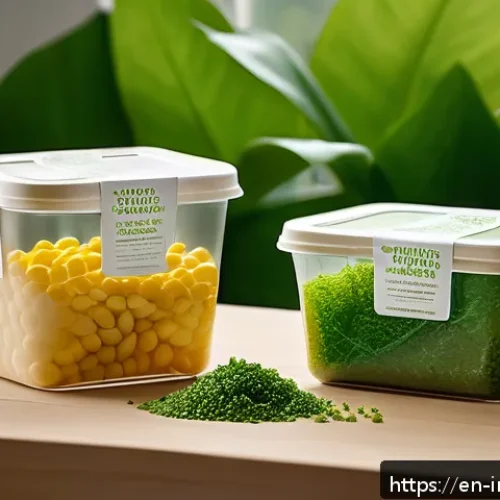
I’ve personally experimented with designs using mushroom-based packaging that literally biodegrades in your garden, and seen stunning apparel made from recycled ocean plastics or even innovative fabrics derived from agricultural waste like pineapple leaves.
It’s not always easy – sometimes these new materials have different properties or are more expensive initially – but the innovation is incredible, and costs are coming down rapidly.
Think about modular design. A product designed with easily replaceable components (like a smartphone where you can effortlessly swap out the battery or camera module) drastically extends its lifespan, significantly reducing e-waste.
I’ve seen companies design kitchen appliances where individual parts can be easily repaired or upgraded, rather than forcing consumers to buy an entirely new unit when one component fails.
This requires foresight from the designer to simplify assembly and, crucially, disassembly. Products designed for repairability, rather than disposability, are becoming a hallmark of true sustainability.
On the production side, the changes are equally significant and often less visible to the consumer but profoundly impactful. Manufacturers are investing heavily in renewable energy sources for their factories, like solar panels or wind turbines, to power their operations.
They’re optimizing processes to reduce waste at every step – think about additive manufacturing (3D printing) which only uses the material it needs, or advanced robotics that minimize scraps from cutting and forming.
Water recycling systems are becoming standard in many facilities, drastically reducing industrial water consumption. There’s also a huge push for localized production, which means fewer emissions from long-haul shipping, shorter supply chains that are more resilient, and often, more ethical labor practices.
I recently visited a “micro-factory” in the Midwest that produced customized athletic shoes on demand, using recycled materials, and their entire supply chain, from material sourcing to final packaging, was within a 100-mile radius.
It was mind-blowing to see how efficient and environmentally conscious it was! Another fascinating area is the “product-as-a-service” model. Instead of buying a product outright, you essentially lease it, and the company is responsible for its maintenance, repair, and eventual recycling.
This incentivizes companies to design incredibly durable, repairable, and recyclable products because it directly benefits their bottom line over the product’s entire lifecycle.
Examples range from industrial equipment and office furniture to even some apparel brands now offering repair services, take-back programs for old items, or even rental services for occasional-use products.
So, when you pick up a new product, look beyond just the eco-friendly label. Ask yourself: Is it designed to last? Can it be repaired?
What materials is it made from, and where did they come from? How will it be disposed of, or better yet, reused, when I’m done with it? The most sustainable products are often the ones you don’t even notice, working seamlessly in the background, minimizing their impact throughout their entire existence.
It’s a journey, not a destination, but the progress I’m seeing is genuinely inspiring and gives me so much hope for the future of design and manufacturing.
📚 References
Wikipedia Encyclopedia
구글 검색 결과
구글 검색 결과
구글 검색 결과
구글 검색 결과
구글 검색 결과